
Beautiful Plants For Your Interior
Beautiful Plants For Your Interior
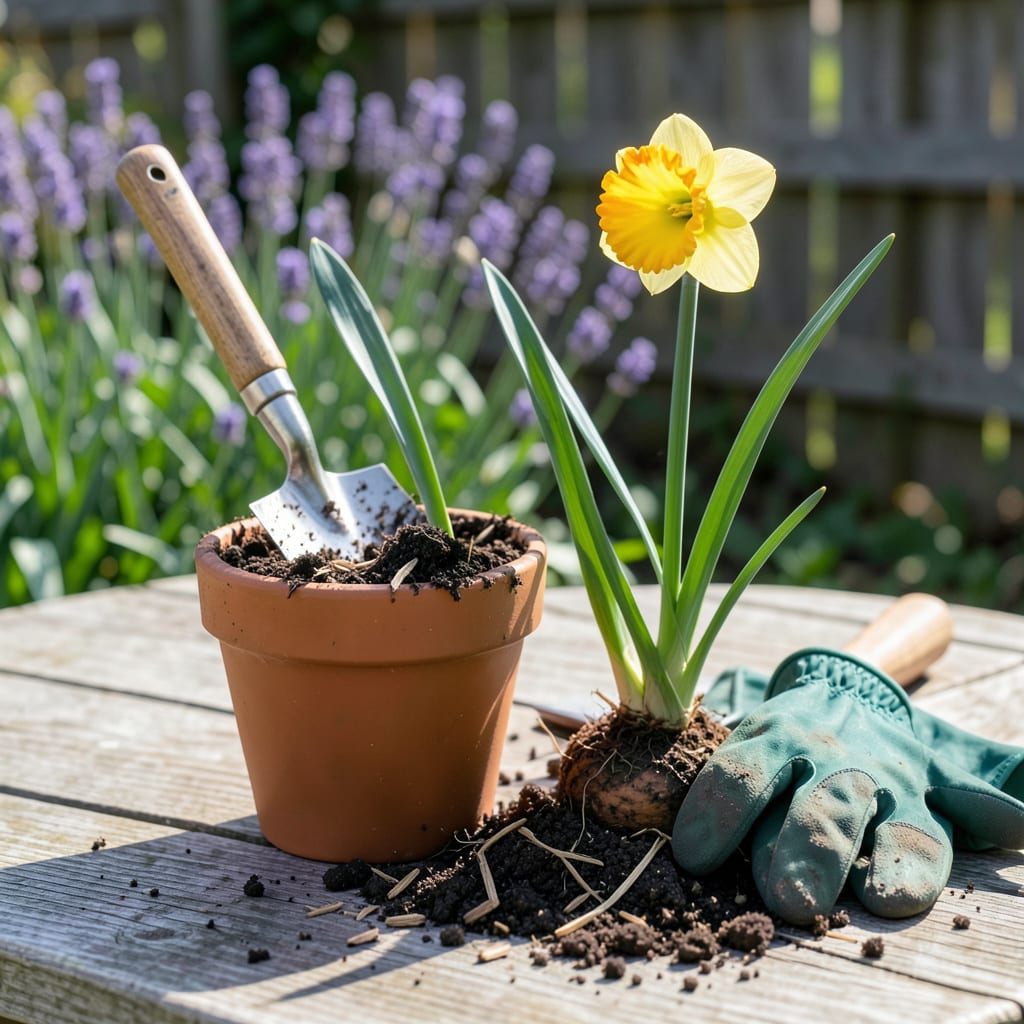
There’s nothing quite like the sight of cheerful 🌷 daffodils bursting from pots after a long winter—unless you planted them at the wrong time. I’ve seen too many gardeners miss their spring display because they waited too long or started too soon.
The secret lies in a 6-8 week window before your first frost hits. Get this right, and you’ll be rewarded with vibrant blooms when everything else is still asleep. Let me show you exactly how to nail the timing for container success.
If you’re eager to fill your containers with those iconic sunny yellow blooms, timing your daffodil bulb planting is crucial. Unlike in-ground planting, pots require extra attention to temperature control and root development. The golden rule? Aim for 6-8 weeks before your first frost.
This window gives bulbs enough time to establish roots before winter dormancy—but not so much time that they sprout prematurely. In most regions, that means September through November, though your exact timing depends on your USDA hardiness zone and local microclimate.
| Zone | Planting Months | Notes |
|---|---|---|
| 3-5 | Late Sept–Oct | Plant early; move pots to garage if temps drop below 20°F. |
| 6-7 | Oct–Mid-Nov | Perfect for most daffodil varieties; mulch pots after planting. |
| 8-9 | Nov–Early Dec | Pre-chill bulbs for 6 weeks before planting if temps stay warm. |
| 10+ | Dec–Jan | Treat as forced bulbs; refrigerate 12+ weeks before planting. |
*Adjust for local frost dates—use your zip code to find exact timing.
For colder zones (3-5), I recommend planting by mid-October to ensure roots develop before the ground freezes. If you’re in zone 8 or warmer, you’ll need to mimic winter by pre-chilling bulbs in your fridge for 6-12 weeks before planting.
Pro tip: Check your 10-day forecast before planting. If nighttime temps consistently dip below 40°F, it’s go time! This temperature range triggers root growth without encouraging premature sprouting. Avoid planting during heatwaves—bulbs may rot in warm, moist soil.
If you miss the ideal window, don’t panic. You can plant daffodil bulbs in pots as late as December in mild climates, but you’ll need to provide extra protection. Try burying pots in garden soil for insulation or moving them to an unheated garage during extreme cold snaps.
For forced indoor blooms, the rules change completely. Start chilling bulbs in October, then plant in pots after 12-16 weeks of cold treatment. This mimics winter and ensures you’ll have cheerful blooms by Valentine’s Day or early spring.
Remember that pot size matters for timing too. Smaller containers dry out faster and experience more temperature fluctuations. In 6-inch pots, plant 2-3 weeks earlier than you would in 12-inch containers to account for faster soil cooling.
After planting, water thoroughly and add a 2-inch mulch layer (straw or shredded leaves work well). This protects against freeze-thaw cycles that can heave bulbs out of the soil. In spring, you’ll be rewarded with sturdy stems and vibrant blooms that last for weeks!
Still unsure about your timing? Grab a soil thermometer—when temps consistently hit 50-60°F at 6-inch depth, it’s the perfect time to plant. This simple tool takes the guesswork out of timing and helps you avoid the two biggest mistakes: planting too early (rot risk) or too late (poor root growth).
Now that you know when to plant, let’s talk about how to do it right. Container gardening with daffodils is different from in-ground planting—you’ve got more control over conditions, but also more responsibility for getting them perfect. I’ll walk you through my foolproof method for stunning spring displays.
Start with deep containers (at least 8-12 inches) with drainage holes. Daffodils hate soggy feet! I prefer terracotta or plastic pots—just avoid metal containers that can overheat roots. For a dramatic show, choose pots that are 1.5-2x wider than your bulb cluster.
*For forced bulbs, refrigerate 12-16 weeks before planting in pots.
Here’s my pro spacing trick: plant bulbs shoulder-to-shoulder in containers for that lush, full look. Unlike in-ground planting, you can pack them tighter since they’ll only stay in pots for one season. Just ensure each bulb has 1 inch of space around it for root expansion.
After planting, give your pots a good drink and let excess water drain completely. Then, place them where they’ll get full sun (6+ hours daily) but protection from harsh winds. In cold zones, group pots together and wrap with burlap for extra insulation during freezes.
For winter care, check soil moisture monthly—water only if the top 2 inches feel dry. Come spring, when you see green shoots (usually February-March), move pots to a sunnier spot and resume regular watering. I like to add a balanced fertilizer (10-10-10) when shoots reach 2 inches tall.
If you’re growing miniature daffodils like ‘Tête-à-Tête’, use shallower pots (6 inches deep) and reduce planting depth to 4 inches. These petite varieties are perfect for window boxes and need less space. Just remember they’ll dry out faster, so check moisture more frequently.
After blooming, let foliage die back naturally—this feeds the bulb for next year. Once leaves yellow (about 6 weeks post-bloom), you can either store bulbs in a cool, dry place for replanting next fall or compost them if they’re spent. Many gardeners treat potted daffodils as annuals for maximum impact each spring.
Even experienced gardeners can stumble when planting daffodil bulbs in pots. I’ve seen beautiful bulbs fail to bloom because of simple oversights. Let me share the three most common mistakes and how to sidestep them for a spectacular spring show.
The first blunder is planting too shallow. Daffodil bulbs need to be buried 3 times their height—about 6 inches deep for standard bulbs. Shallow planting exposes bulbs to freeze-thaw cycles, which can damage roots or even push bulbs out of the soil.
*Bonus tip: Label pots with planting dates to track performance!
Another critical error is using garden soil instead of potting mix. Regular soil compacts in containers, suffocating roots. Always choose a well-draining potting mix amended with compost. For extra protection, I add a handful of perlite or sand to improve aeration.
Many gardeners forget about winter protection for potted daffodils. Unlike in-ground bulbs, container-grown daffodils are more vulnerable to temperature swings. In zones 6 and colder, wrap pots in burlap or move them to a sheltered location. A simple trick: sink pots into garden soil for natural insulation.
Finally, don’t make the mistake of cutting foliage too soon after blooming. Those green leaves are feeding next year’s flowers! Wait until leaves turn yellow and wilt (about 6 weeks post-bloom) before trimming. I like to tie foliage with twine if it flops over—this keeps pots tidy while allowing photosynthesis.
Remember that container size matters more than you think. Small pots dry out quickly and experience dramatic temperature swings. For best results, choose containers at least 12 inches deep with a similar width. This gives roots room to grow and provides better insulation against cold snaps.
Planting too late risks poor root development before winter. Bulbs need 6-8 weeks of growing time before frost to establish properly. Late-planted bulbs may produce weak stems or fail to bloom entirely next spring.
It’s best to refresh your potting mix annually. Used soil may harbor diseases or lack nutrients. If reusing, remove old roots, mix in 50% fresh compost, and add perlite for drainage. Sterilize containers with a 10% bleach solution first.
Squirrels love digging up bulbs! Cover pots with chicken wire after planting, securing it with landscape staples. Sprinkle red pepper flakes or use commercial repellents. Place pots on elevated surfaces like tables when possible.
Yes, water thoroughly once after planting to settle soil. Then reduce watering—bulbs need moist but not soggy conditions. Check weekly; water only if the top 2 inches of soil feel dry. Overwatering causes rot.
Mix varieties for extended bloom times. Just ensure all bulbs have similar chilling requirements and plant depths. Pair early bloomers like ‘February Gold’ with late varieties such as ‘Ice Follies’ for months of color.
