
Beautiful Plants For Your Interior
Beautiful Plants For Your Interior
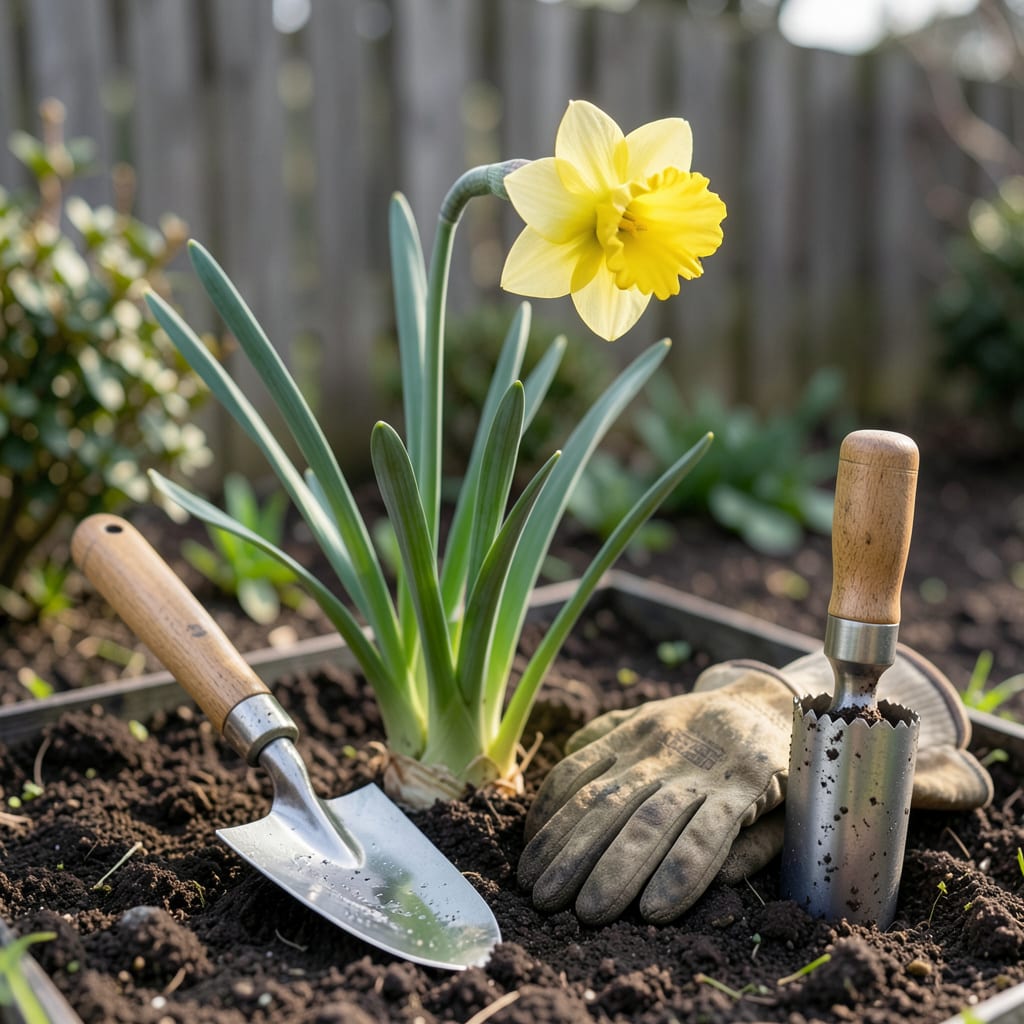
Oregon’s unpredictable falls can make planting daffodil bulbs feel like a guessing game. But here’s the truth: nailing that perfect window—neither too early nor too late—means the difference between lackluster sprouts and a vibrant spring showstopper.
I’ve seen gardeners in the Willamette Valley and high desert struggle with timing, only to watch their 🌱 daffodils flop. The secret? Working with Oregon’s microclimates, not against them. Let’s break down exactly when and how to plant for blooms that’ll make your neighbors jealous.
If you want those cheerful golden daffodils to brighten your Oregon garden next spring, timing your bulb planting is absolutely key. Oregon’s diverse climate means the ideal window varies by region, but generally, fall is the magic season—specifically September through November. The goal? Get bulbs in the ground 6-8 weeks before the first frost so roots can establish before winter.
In the Willamette Valley and coastal areas, where winters are milder, aim for late October to early November. Meanwhile, Eastern Oregon’s colder zones (like Bend or La Grande) need earlier planting—mid-September to mid-October—to avoid frozen soil. Southern Oregon’s warmer pockets (Medford, Ashland) can push planting to late November if the ground stays workable.
| Region | USDA Zone | Planting Window | Soil Temp Goal | Notes |
|---|---|---|---|---|
| Coastal Oregon | 8-9 | Oct–Nov | 55–60°F | Mild winters allow later planting |
| Willamette Valley | 7-8 | Mid-Oct–Nov | 55–60°F | Watch for early frosts in higher elevations |
| Eastern Oregon | 6-7 | Sep–Mid-Oct | 50–55°F | Plant early—frost comes sooner! |
| Southern Oregon | 7-9 | Oct–Late Nov | 55–60°F | Warmer microclimates extend the window |
Why does timing matter so much? Daffodil bulbs need 4-6 weeks of cool soil (not freezing!) to develop strong roots. Plant too early in warm soil, and you risk premature sprouting—a death sentence if frost hits. Plant too late, and roots won’t establish before winter, leading to weak or no blooms come spring.
Here’s my pro tip: Use a soil thermometer to check temps at 6 inches deep. When it consistently reads 55–60°F, it’s go time. In Western Oregon’s wet climates, ensure your site has well-draining soil—daffodils rot in soggy ground. Amend heavy clay with compost or sand to improve drainage.
If you’re in a high-elevation area (like the Cascades), watch for early frosts—sometimes as soon as late September. I’ve seen gardeners lose bulbs to frozen soil because they waited too long. When in doubt, plant earlier. Bulbs can handle a light frost, but they can’t grow roots in frozen earth.
For coastal gardeners, your milder winters mean you can push planting to late November if needed. Just avoid waterlogged spots—those ocean breezes bring extra moisture! In Southern Oregon, where summers are hotter, planting later (even early December in warm years) can prevent bulbs from drying out before roots form.
Still unsure? Observe your local frost dates. Most Oregon regions see first frosts between October 15–November 15. Count backward 6-8 weeks from your area’s average first frost to pinpoint your planting sweet spot. For example, Portland’s first frost is around November 10, so aim for early October planting.
Once planted, mulch with 2–3 inches of straw or shredded leaves to insulate bulbs. This is especially critical in Eastern Oregon, where temps can swing dramatically. Water deeply after planting, then reduce watering as winter approaches—bulbs need moisture to root but hate soggy feet.
Come spring, your reward will be vibrant daffodils popping up just as Oregon’s gray skies start to clear. And here’s the best part: with proper timing, your bulbs will naturalize and multiply, giving you more blooms each year with zero extra effort. Now that’s what I call a gardening win! 🌱
Now that you know when to plant, let’s talk about how to do it right in Oregon’s unique soil. I’ve planted hundreds of daffodil bulbs across the state, and the secret to success lies in three key steps: site selection, soil prep, and proper planting technique. Skip any of these, and you risk weak blooms or rot.
Start by choosing a spot with full sun to partial shade—daffodils thrive in 6+ hours of sunlight but appreciate afternoon shade in hotter regions like Southern Oregon. Avoid low-lying areas where water pools, especially in the Willamette Valley’s clay-heavy soil. Poor drainage is the #1 killer of daffodil bulbs in our wet winters.
Here’s an Oregon-specific tip: If you’re planting in heavy clay soil (looking at you, Portland and Salem gardeners), consider raising your beds or planting in mounds to improve drainage. I’ve lost count of how many bulbs I’ve seen rot in waterlogged flats. A simple 12-inch raised bed filled with amended soil can save your daffodils.
For coastal gardeners, salt spray can be an issue. If you’re within a mile of the ocean, rinse bulbs with fresh water after planting to remove salt residue. In Eastern Oregon, where soils are often alkaline, a light sprinkle of sulfur (follow package rates) at planting time can help lower pH slightly—daffodils prefer neutral to slightly acidic soil (pH 6.0–7.0).
Wondering about container planting? It’s a great option for small spaces or renters! Use a well-draining pot at least 12 inches deep, fill with potting mix amended with sand, and plant bulbs as you would in-ground. Move pots to a sheltered spot (like a garage or under eaves) during heavy rains to prevent soggy soil. Come spring, place them in full sun once shoots emerge.
Finally, here’s my #1 pro tip for Oregon gardeners: Label your bulbs! With our long, wet winters, it’s easy to forget where you planted them. Use weatherproof plant markers or even golf tees with colored tape. Trust me—you’ll thank yourself next spring when you’re not accidentally digging up your daffodils while planting annuals. 🌱
Even experienced gardeners can sabotage their daffodils with simple oversights. After years of planting bulbs across Oregon, I’ve seen the same mistakes repeat—especially in our wet winters and variable microclimates. Here are the top five blunders that’ll leave you with lackluster (or nonexistent) blooms next spring.
First up: planting too shallow. Daffodil bulbs need to be 6 inches deep—no exceptions. I’ve dug up bulbs planted at 3–4 inches that either froze in Eastern Oregon’s cold snaps or dried out in Southern Oregon’s late-summer heat. Use a measuring stick or your trowel handle to check depth. In heavy clay soil, go even deeper (7 inches) to protect against winter sogginess.
Another critical error? Planting in the wrong spot. Daffodils need full sun to partial shade, but in Oregon’s hotter inland areas (like Medford), afternoon shade prevents scorch. Avoid planting under evergreen trees—their roots compete for nutrients, and the dense shade weakens stems. I learned this the hard way after my bulbs under a Douglas fir produced stunted, floppy blooms.
Here’s an Oregon-specific tip: Don’t fertilize at planting time. Unlike tulips, daffodils don’t need immediate food. Wait until early spring when shoots emerge, then apply a low-nitrogen fertilizer (5-10-10). Too much nitrogen = lush leaves but fewer flowers. In Western Oregon’s wet climates, excess fertilizer can also burn roots during winter rains.
Finally, resist the urge to cut back foliage too soon. Those ugly yellowing leaves after blooming? They’re feeding next year’s flowers. Wait until foliage turns completely brown (usually by late June) before trimming. I mark my calendar to remind myself—it’s tempting to tidy up early, but patience pays off with bigger blooms next year. 🌷
Planting too early in warm soil can trigger premature sprouting. If shoots emerge before winter, they’re vulnerable to frost damage—especially in Eastern Oregon’s colder zones. Aim for soil temps below 60°F to keep bulbs dormant until spring.
Use a 12-inch-deep pot with drainage holes and well-draining potting mix. In wet regions like the Willamette Valley, move containers under cover during heavy rains to prevent soggy soil. Come spring, place them in full sun once shoots appear.
Squeeze a handful of soil—if water drips out or it stays in a tight ball, it’s too wet. Daffodils rot in soggy conditions. Amend clay-heavy soil (common in Portland) with compost + perlite, or plant in raised beds for better drainage.
Skip fertilizer at planting time! Daffodils don’t need immediate food. Wait until early spring when shoots emerge, then use a low-nitrogen bulb food (5-10-10). Too much nitrogen now = weak blooms later.
Common culprits: planting too shallow (6 inches deep is critical!), poor drainage, or cutting back foliage too soon. Leave leaves until they turn completely brown (usually by late June)—they feed next year’s flowers!
