
Beautiful Plants For Your Interior
Beautiful Plants For Your Interior
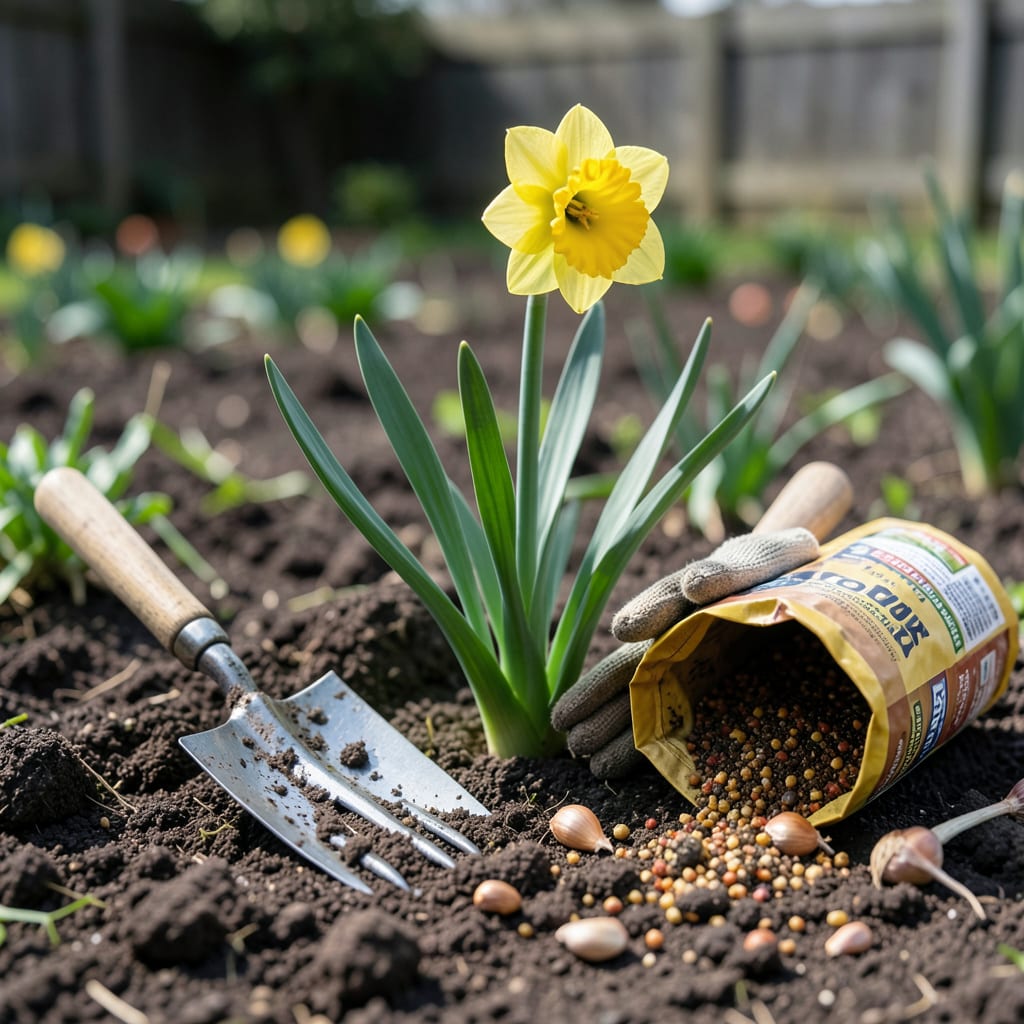
There’s nothing quite like the sight of golden daffodils popping up after Connecticut’s long winter—but timing your planting wrong could leave you staring at bare soil next spring. I’ve seen gardeners miss their window and pay the price.
After years of testing in zones 6a-7a, I’ve nailed the perfect fall schedule for these cheerful blooms. Let me show you how to plant your 🌼 daffodil bulbs at just the right moment for a showstopping March display.
Connecticut’s USDA zones 6a-7a demand precise timing for daffodil bulbs. The golden window is mid-to-late October, when soil temps dip below 60°F but before the ground freezes. This balance ensures roots establish without premature sprouting.
Coastal areas like New Haven can push planting to early November, while inland spots (think Hartford) should aim for earlier October. The key? 6-8 weeks before hard frost—usually around November 15 for most of CT.
| Zone | Ideal Planting Time | Soil Prep Tip |
|---|---|---|
| 6a (Inland) | Oct 1–20 | Amend clay soil with compost |
| 6b (Central) | Oct 10–30 | Add sand for drainage |
| 7a (Coastal) | Oct 20–Nov 10 | Mulch with straw post-planting |
CT’s clay-heavy soils need extra prep. I recommend mixing in 2-3 inches of compost and a handful of bone meal per square foot. This boosts drainage and provides phosphorus for root development. Test soil pH—daffodils thrive in 6.0–7.0.
Watch the 10-day forecast before planting. If nighttime temps consistently hit 40°F, it’s go time. Use a soil thermometer for accuracy—$10 at any garden center. Pro tip: Plant after a light rain when soil is workable but not soggy.
For deer-prone areas (common in Litchfield County), interplant daffodils with alliums or grape hyacinths. Their strong scents deter critters. Avoid planting near hostas—deer love those and may trample your bulbs.
If you miss the October window, don’t panic. Early November plantings can succeed with extra mulch (4–6 inches of straw or shredded leaves). Water thoroughly after planting, then let nature take over. CT’s freeze-thaw cycles will help bulbs settle in.
Post-planting, mark bulb locations with biodegradable flags or a light dusting of flour (washed away by rain). This prevents accidental digging in spring. Come March, you’ll spot green shoots—your reward for perfect timing!
Remember: Daffodils are perennial in CT, meaning they’ll return yearly with proper care. After blooming, let foliage yellow naturally—this feeds next year’s flowers. A low-nitrogen fertilizer (5-10-10) in fall keeps them thriving.
For container plantings (great for small CT patios), use pots at least 12 inches deep with drainage holes. Store pots in a cool garage until spring, then move to sunlight. This mimics in-ground conditions and prevents frost heave.
Now that you know when to plant, let’s dig into the how-to for Connecticut’s unique conditions. I’ve planted thousands of daffodils across the state, and these steps guarantee bigger blooms and healthier bulbs year after year.
Start by selecting plump, firm bulbs—avoid any with soft spots or mold. In CT, I recommend ‘Ice Follies’ or ‘Tête-à-Tête’ varieties for their cold hardiness and deer resistance. Grab your trowel—it’s time to get planting!
For container plantings, use pots with drainage holes and a mix of 50% potting soil and 50% compost. Layer bulbs with 2 inches of soil between each if stacking. Store pots in a cool, dark garage until spring green-up.
CT’s freeze-thaw cycles can heave bulbs out of the ground. To prevent this, add a top layer of pine bark mulch after the first hard frost. This insulates soil while allowing moisture to penetrate. Avoid plastic mulch—it traps too much moisture and promotes rot.
Companion planting boosts impact. Pair daffodils with early tulips for layered color or Virginia bluebells for a native touch. Avoid planting near boxwoods—their roots compete for nutrients. For deer-heavy areas, interplant with daffodil ‘Repandulus’ (split-corona types) or fritillaria.
After planting, resist the urge to water unless we have a dry spell. CT’s fall rains usually provide enough moisture. If you must water, do so in the early morning to allow foliage to dry before evening. Come spring, you’ll be rewarded with sturdy stems and vibrant blooms—proof your timing was perfect!
Planting daffodil bulbs in Connecticut is all about timing the soil temperature just right. Miss that mid-October sweet spot, and you might face disappointing results. I’ve seen gardeners in Fairfield County rush to plant in September—only to watch their bulbs rot before winter.
Early planting (before soil cools below 60°F) tricks bulbs into sprouting prematurely. Those tender green shoots can’t survive CT’s November freezes. Meanwhile, late planting (after ground freezes) leaves roots underdeveloped, leading to weak spring blooms or no flowers at all.
If you’ve already planted too early, don’t despair. Add a thick mulch layer (4–6 inches of straw) to insulate sprouts. For late plantings, water deeply and mulch with shredded leaves to protect against heaving. In coastal CT, you can push planting to early December if you use container methods.
CT’s clay soils make timing even more critical. Early-planted bulbs in heavy clay may suffocate from poor drainage, while late-planted ones struggle to root deeply. The fix? Amend soil with compost and perlite before planting, and consider raised beds in problem areas.
Remember: Daffodils are forgiving perennials. Even if your timing’s off one year, proper care can restore their vigor. Next fall, mark your calendar for October 15—that’s when I set my annual daffodil-planting reminder. Your future spring self will thank you! 🌼
Planting too early in Connecticut’s warm September soil can trigger premature sprouting. Those tender shoots often can’t survive November freezes, leading to damaged or stunted growth.
If you’ve already planted early, add 4–6 inches of straw mulch to insulate the soil and delay sprouting. Monitor moisture levels—early fall rains can cause rot in warm, wet conditions.
Yes, but act fast! In coastal CT (Zone 7a), you can plant until early November. Inland areas should aim for before November 15 with extra protection.
Use 6 inches of shredded leaves as mulch and water deeply after planting. For late December attempts, switch to containers stored in a cool garage until spring.
Apply 3–4 inches of organic mulch (straw or pine boughs) after planting. This insulates soil while allowing moisture to penetrate, preventing heaving.
In clay-heavy areas, mix in compost and perlite before planting. Avoid plastic mulch—it traps moisture and promotes rot during CT’s unpredictable winters.
Opt for cold-hardy, deer-resistant varieties like ‘Ice Follies’ (classic yellow) or ‘Tête-à-Tête’ (miniature). Both handle CT’s Zones 6a-7a beautifully.
For coastal gardens, try ‘Thalia’ (fragrant white) or ‘Geranium’ (orange-pink). All tolerate clay soil when properly amended and mulched.
Dig holes 6 inches deep from the bulb’s base to the soil surface. In heavy clay, add 1 inch of sand beneath each bulb to improve drainage.
Space bulbs 4–6 inches apart, and plant in groups of 5+ for dramatic spring displays. Use a trowel with depth markings for consistent planting.
