
Beautiful Plants For Your Interior
Beautiful Plants For Your Interior
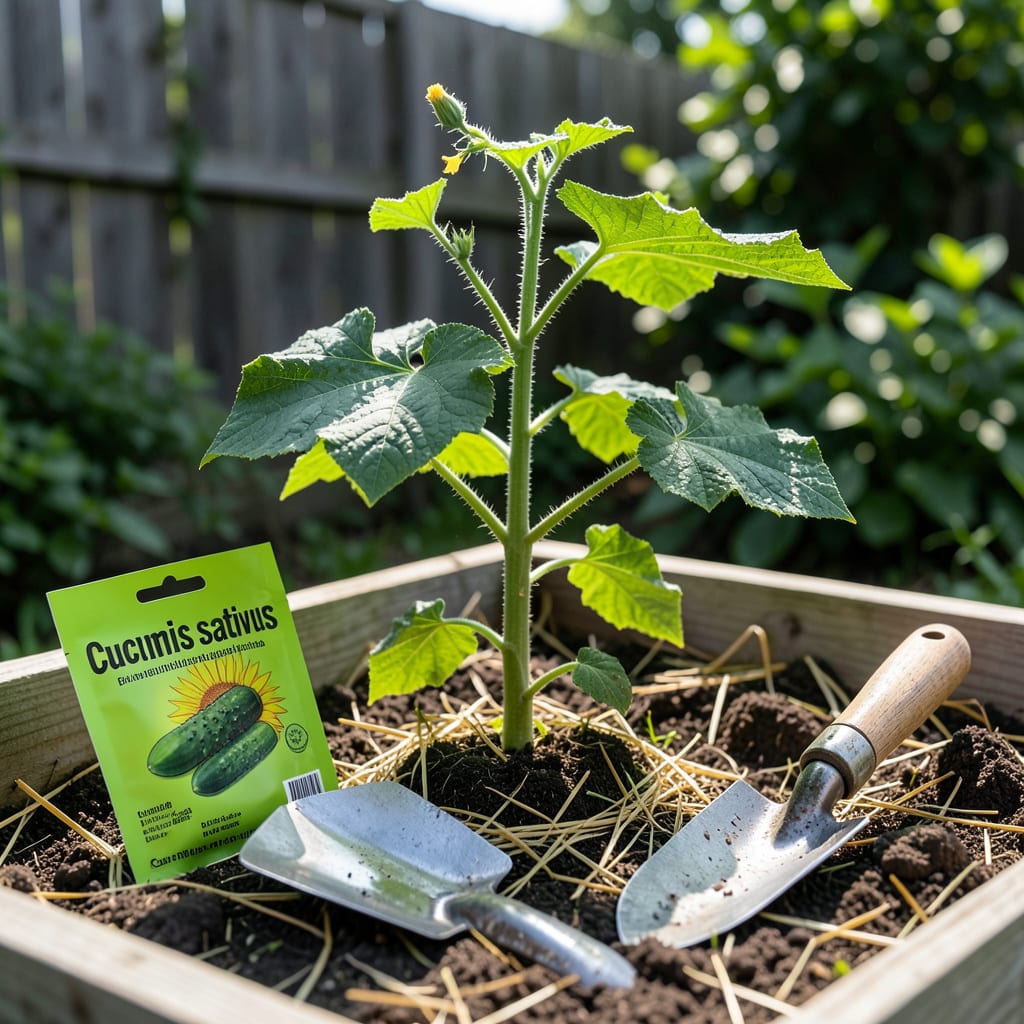
Timing your cucumber planting in Zone 7 can mean the difference between a bumper crop and a disappointing harvest. Plant too early, and a late frost could wipe out your seedlings. Wait too long, and you’ll miss the prime growing window for those crisp, juicy 🥒 we all love.
I’ve tested the ideal planting windows—from soil temps to frost dates—and what I found might surprise you. Whether you’re direct sowing or starting seeds indoors, I’ll show you exactly when to plant for a longer harvest season without the guesswork. Let’s get it right the first time.
If you’re eager to grow crisp, homegrown cucumbers in Zone 7, timing is your secret weapon. Plant too early, and a late frost could wipe out your seedlings. Wait too long, and you’ll miss the prime growing window. I’ve found that soil temperature and frost dates are the two biggest factors to watch.
In Zone 7, the last frost date typically falls between early April (Zone 7a) and late March (Zone 7b). But don’t rush—cucumbers thrive when soil temps hit 60–70°F. Cold soil stunts growth and invites disease, so patience pays off. Let’s break down the best windows for both spring and summer plantings.
| Planting Window | Action | Zone 7 Timing | Key Notes |
|---|---|---|---|
| Early Spring (Indoors) | Start seeds indoors | March 15–April 1 | Use biodegradable pots to avoid root shock. Soil temp: 70°F+ for germination. |
| Spring (Direct Sow) | Plant seeds outdoors | April 15–May 15 | Wait 2 weeks after last frost. Soil must be 60°F+ at 2″ depth. |
| Spring (Transplant) | Move seedlings outside | May 1–May 20 | Harden off for 7–10 days first. Space vines 36–60″ apart. |
| Early Summer | Succession plant | June 1–June 15 | Extends harvest into late summer. Choose heat-tolerant varieties like ‘Lemon’. |
| Late Summer (Fall Crop) | Direct sow | July 15–August 1 | Target 90–100 days before first frost. Use row covers to protect from early chills. |
For spring planting, I recommend starting seeds indoors 3–4 weeks before your last frost date. This gives seedlings a head start while avoiding cold soil. If you’re direct sowing, wait until soil temps hit 60°F—use a soil thermometer to check. A quick trick? Barefoot test: if the soil feels warm to your feet, it’s go time.
Succession planting is a game-changer in Zone 7. By sowing a second crop in early June, you’ll enjoy cucumbers well into September. Just be sure to pick fast-maturing varieties (like ‘Bush Champion’) for late plantings. They’ll beat the first frost and keep your salad bowl full.
Don’t overlook fall cucumbers! A late-July planting can yield a bonus harvest before winter. The key here is choosing short-season varieties (50–55 days to maturity) and using row covers to trap heat. I’ve had great luck with ‘Straight Eight’ for fall crops—it’s reliable and productive.
Pro tip: Warm your soil faster by covering the planting area with black plastic mulch 2–3 weeks before sowing. This trick can bump soil temps by 5–10°F, letting you plant a week or two earlier. Just cut slits for seeds or transplants when ready.
Remember, microclimates matter in Zone 7. Urban areas and south-facing slopes warm up faster than rural lowlands. If you’re in a warmer pocket, you might plant a week earlier. Conversely, frost-prone spots need extra caution—keep row covers handy for unexpected cold snaps.
Finally, always check your local frost dates—they can vary even within Zone 7. Your county extension office is a goldmine for hyper-local data. And if you’re itching to get started, container-growing lets you move plants to shelter if late frosts threaten.
With these timings, you’ll dodge the two biggest cucumber killers: frost damage and heat stress. Stick to the windows above, and you’ll be swimming in cucumbers from July through October—perfect for fresh eating, pickling, or sharing with neighbors! 🌱
Even with perfect timing, small missteps can derail your cucumber harvest in Zone 7. I’ve seen gardeners lose entire crops to preventable errors—like planting in chilly soil or ignoring pests. Let’s tackle the top five mistakes so you can sidestep disappointment and grow your best cucumbers yet.
First up: planting too early. Zone 7’s last frost might be in early April, but that doesn’t mean your soil is warm enough. Cucumbers need 60°F+ soil temps to thrive. If you rush, seeds rot or seedlings stagnate. Always use a soil thermometer—it’s a $10 investment that saves weeks of frustration.
Planting in soil below 60°F causes:
Fix it: Warm soil with black plastic mulch 2–3 weeks before planting, or use raised beds (they warm faster).
Another critical error? Overcrowding plants. Cucumber vines need 36–60 inches of space to sprawl. Cramming them together reduces airflow, inviting powdery mildew and pests. I use a trellis system to save space—vertical growth improves yield and makes harvesting easier.
Watering mistakes rank high too. Inconsistent moisture leads to bitter cucumbers or cracked skins. Aim for 1–1.5 inches per week, delivered at the base of plants (not overhead). Drip irrigation is ideal—it keeps foliage dry, reducing fungal risks. Morning watering is best; evening sessions can promote mildew.
Ignoring cucumber beetles is a rookie move. These striped pests spread bacterial wilt, which can kill plants in days. I combat them with yellow sticky traps and by planting radishes or nasturtiums as trap crops. Row covers work early on, but remove them when flowers appear for pollination.
Finally, don’t skip succession planting. Many gardeners plant once and call it done, but cucumbers peter out after 6–8 weeks. For continuous harvests, sow a new batch every 3–4 weeks until midsummer. Choose fast-maturing varieties (like ‘Bush Champion’) for late plantings—they’ll beat the frost.
Bonus tip: Test your soil pH before planting. Cucumbers prefer 6.0–6.8. If yours is too acidic, add lime; if alkaline, mix in sulfur or peat moss. A simple test kit from your garden center takes the guesswork out of amendments.
Avoid these pitfalls, and you’ll be rewarded with healthy vines and abundant harvests. Remember, cucumbers grow fast—what you do in the first few weeks sets the stage for success. Now go forth and grow those crisp, juicy cucumbers without the headaches! 🌿
Not all cucumbers thrive equally in Zone 7’s climate. I’ve tested dozens of varieties and found that matching the right cultivar to your planting window makes all the difference. Early spring needs cold-tolerant types, while summer heat demands drought-resistant picks. Let’s dive into the top performers.
For early spring planting (March–April), focus on fast-maturing varieties that handle cooler soils. ‘Straight Eight’ is my go-to—it germinates in 50°F soil and produces in just 55 days. ‘Northern Pickling’ is another winner, perfect for those first crisp pickles of the season.
| Variety | Days to Maturity | Best Planting Window | Key Traits |
|---|---|---|---|
| Straight Eight | 55 days | Early Spring | Cold-tolerant, classic slicer, 6–8″ fruits |
| Lemon Cucumber | 65 days | Summer | Heat-loving, yellow fruits, sweet flavor |
| Bush Champion | 50 days | Succession | Compact, space-saver, disease-resistant |
| Marketmore 76 | 60 days | Mid-Summer | Disease-resistant, dark green, prolific |
| Boston Pickling | 55 days | Early/Late | Perfect for pickling, blocky shape, crisp |
When summer heat arrives (June–July), switch to heat-tolerant varieties like ‘Lemon Cucumber’. Its yellow skin reflects sunlight, reducing sunscald. ‘Marketmore 76’ is another star—it resists powdery mildew and keeps producing even in 90°F+ temps. Both thrive with consistent watering and afternoon shade.
For late-season plantings (July–August), choose fast growers like ‘Bush Champion’. It matures in 50 days and stays compact, ideal for small spaces. ‘Boston Pickling’ is another late-season gem—its blocky fruits are perfect for quick pickles before frost hits.
If disease pressure is a concern in your area, prioritize resistant varieties. ‘Marketmore 76’ and ‘Dasher II’ both fight off cucumber mosaic virus and powdery mildew. Pair them with crop rotation and proper spacing for a worry-free harvest.
Pro tip: Mix vining and bush types to maximize space. Train vines like ‘Straight Eight’ up a trellis (saves 50% ground space!) and tuck bush varieties like ‘Bush Champion’ into containers. This combo gives you more cucumbers in less room while improving airflow.
Remember, variety selection impacts flavor too! ‘Lemon Cucumber’ offers sweet, mild taste, while ‘Boston Pickling’ delivers that classic tangy crunch. Match your picks to your culinary goals—slicing, pickling, or snacking—and you’ll never be disappointed. Happy growing! 🌱
Begin seeds indoors 3–4 weeks before your last frost date. For Zone 7, that’s typically mid-March to early April. Use biodegradable pots and a heat mat to maintain 70°F+ soil temps for faster germination.
Aim to plant by July 15–August 1 to ensure harvest before first frost. Choose fast-maturing varieties like ‘Bush Champion’ (50 days) and use row covers to extend the season.
Use a soil thermometer to check temps at 2-inch depth. Cucumbers need 60°F+ to thrive. No thermometer? Try the barefoot test—if soil feels warm to your feet, it’s ready.
Cover plants with floating row covers or old blankets when frost threatens. Remove covers during the day to allow pollination. For extra warmth, add a layer of straw mulch around the base.
Yes! Urban areas often warm faster due to heat islands, letting you plant 1–2 weeks earlier. Rural spots may stay cooler longer—wait until soil hits 60°F and watch for late frosts.
