
Beautiful Plants For Your Interior
Beautiful Plants For Your Interior
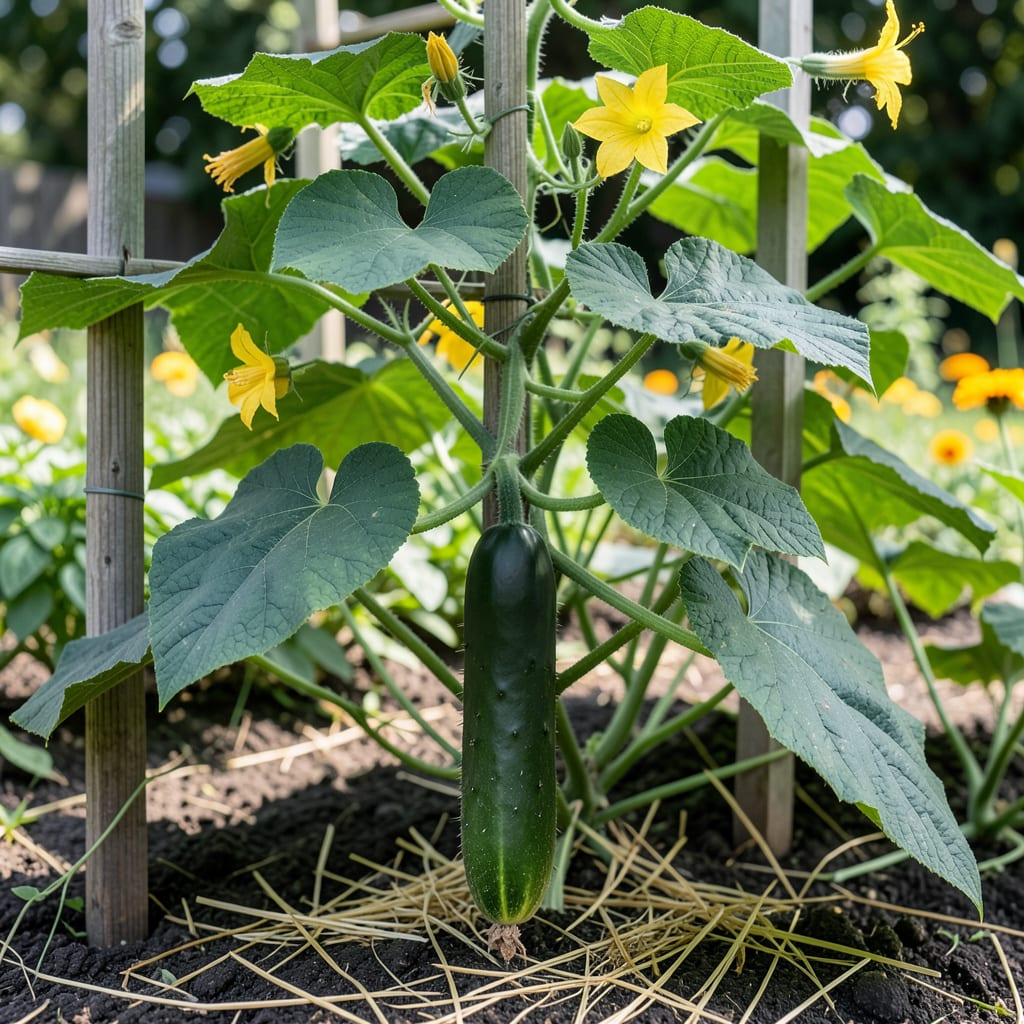
Timing your cucumber planting in Virginia can mean the difference between a bountiful harvest and a disappointing yield. Those crisp, fresh 🥒 straight from the vine don’t happen by accident—they start with knowing exactly when to get those seeds in the ground.
From coastal areas to mountain regions, Virginia’s diverse climate zones demand careful planning. I’ll break down the perfect planting windows, soil temperature secrets, and regional adjustments that’ll set you up for success. Let’s make this your most productive cucumber season yet.
Virginia’s three distinct regions—coastal, Piedmont, and mountainous—each have their own microclimates that dramatically affect cucumber planting. I’ve learned the hard way that what works in Virginia Beach won’t fly in the Blue Ridge Mountains. Let’s break down the specifics.
The key factor isn’t just frost dates—it’s soil temperature. Cucumbers need 60°F+ soil to germinate properly. Even after the last frost, cold soil can stall growth. I always use a soil thermometer to be sure before planting.
| Region | Last Frost Date | Direct Sow | Start Indoors | Soil Temp Ready |
|---|---|---|---|---|
| Coastal (Zone 8a) | March 28 | April 1-15 | March 15-30 | Early April |
| Piedmont (Zone 7a) | April 15 | April 20-May 5 | April 1-15 | Mid-April |
| Mountains (Zone 6b) | May 1 | May 10-25 | April 15-30 | Late May |
*Add 7-10 days for cooler microclimates or shaded areas
In the coastal areas, you can push the envelope earlier thanks to warmer ocean influence. I’ve successfully planted as early as late March in Norfolk using row covers for protection. The Piedmont region around Richmond is your Goldilocks zone—not too early, not too late.
Mountain gardeners face the shortest season, so I recommend starting seeds indoors by mid-April. Use black plastic mulch to warm soil faster in higher elevations. Remember, elevation changes of just 500 feet can shift your planting date by a week!
For fall plantings, aim for late July to early August in most regions. The trick is calculating days to maturity (usually 50-70 days) plus a 2-week buffer before first frost. I’ve had great success with ‘Straight Eight’ and ‘Marketmore 76’ varieties for fall harvests.
Don’t forget about succession planting! For continuous harvests, I plant new seeds every 2-3 weeks until mid-July. This staggers production so you’re not overwhelmed with 50 cucumbers at once. Trust me, even avid picklers have their limits!
Microclimates matter more than you think. A south-facing slope in your yard might be ready 10 days earlier than a north-facing spot. I use low tunnels to create mini greenhouses for early planting in cooler areas. Even urban heat islands can extend your season by weeks!
Pro tip: Check your local weather station’s soil temps online. I use the Virginia Tech Agronomy website for hyper-local data. When temps hit 60°F at 4-inch depth for three consecutive days, it’s go time for planting those cucumber seeds.
Remember, these dates are guidelines, not gospel. Last year I lost an early planting to a late frost in Charlottesville—always have frost blankets ready until mid-May in central Virginia. When in doubt, wait a week rather than risking cold damage to your tender cucumber seedlings.
Planting cucumbers in Virginia isn’t just about picking a date—it’s about understanding the hidden variables that can make or break your harvest. I’ve learned through trial and error that factors like soil readiness and microclimate quirks often matter more than the calendar.
Take soil temperature—cucumber seeds won’t germinate until the ground hits 60°F consistently. Even if your last frost date has passed, cold soil can stall growth. That’s why I always use a soil thermometer before planting. The difference between a thriving vine and a struggling plant often comes down to these details.
Here’s a pro tip: Virginia’s elevation changes create microclimates that can shift planting dates by weeks. In the Blue Ridge Mountains, you might wait until late May, while coastal gardeners can start in early April. I always check my local frost dates on the Virginia Cooperative Extension website.
Don’t overlook real-time weather patterns either. A late cold snap can wipe out young seedlings, so I keep frost blankets handy until mid-May. Conversely, unseasonably warm springs (like 2023) let me plant 2 weeks early with great success. Flexibility is key!
For those eager to get a head start, indoor seed starting works wonders. Begin seeds 3-4 weeks before transplanting in biodegradable pots. Just remember—cucumbers hate root disturbance, so handle seedlings gently. I’ve found this method adds 30% more harvest time to my season.
Finally, watch for soil moisture consistency. Cucumbers need even watering—too dry and they’ll bitter, too wet and roots rot. I set up drip irrigation on timers to maintain that perfect balance. With these factors dialed in, you’ll be harvesting crisp cucumbers while neighbors wonder why theirs struggled.
Ready to plant? Grab that soil thermometer and let’s get growing! 🌱
Getting your cucumber timing wrong in Virginia can lead to heartbreaking results. I’ve seen both scenarios firsthand—stunted plants from early planting and mildew-covered vines from late starts. The good news? These issues are completely preventable with proper timing.
Plant too early, and cold soil becomes your enemy. Cucumber seeds need 60°F+ soil to germinate properly. Below this threshold, you’ll face poor germination rates and weak seedlings. Even if they sprout, cold stress makes plants more susceptible to diseases like damping off.
Late planting brings its own challenges. The biggest issue I’ve encountered is powdery mildew, which thrives in Virginia’s humid summers. Plants started in June often struggle with this fungal disease before producing much fruit. The heat also reduces bee activity, leading to poor pollination.
There’s a sweet spot between April 20 and May 15 for most Virginia regions. This window gives plants time to establish before summer heat while avoiding late frosts. In my experience, plants started during this period produce 2-3 times more cucumbers than those planted outside this range.
If you’ve already planted too early, don’t panic! Use row covers or cloches to protect young plants. For late plantings, choose fast-maturing varieties like ‘Bush Champion’ (55 days) and provide afternoon shade to reduce heat stress. I’ve salvaged late plantings by using shade cloth to lower temperatures by 5-10°F.
The ideal scenario? Plant your main crop in late April/early May, then add a succession planting in early July for fall harvests. This timing avoids both frost and peak summer heat, giving you the best chance for that perfect Virginia cucumber crop. 🌱
For a fall harvest, plant by early August in most regions. Choose fast-maturing varieties like ‘Bush Champion’ (55 days). Coastal areas can push to mid-August, while mountain gardeners should finish planting by July 20.
Use frost blankets or low tunnels to shield young plants. For extra protection, add plastic mulch to warm soil. Remove covers during warm days to prevent overheating. I’ve saved early plantings this way even when temps dipped to 35°F.
Begin 3-4 weeks before transplanting (around March 15-30 for most zones). Use biodegradable pots to avoid root disturbance. Harden off seedlings for 5-7 days before moving outdoors. This gives you a 2-3 week head start on the season.
Heat stress and inconsistent watering cause bitterness. Late plantings often face 90°F+ temps, which stresses plants. Maintain even moisture (water every 2-3 days) and provide afternoon shade. Choosing heat-tolerant varieties like ‘Sweet Success’ helps too.
