
Beautiful Plants For Your Interior
Beautiful Plants For Your Interior
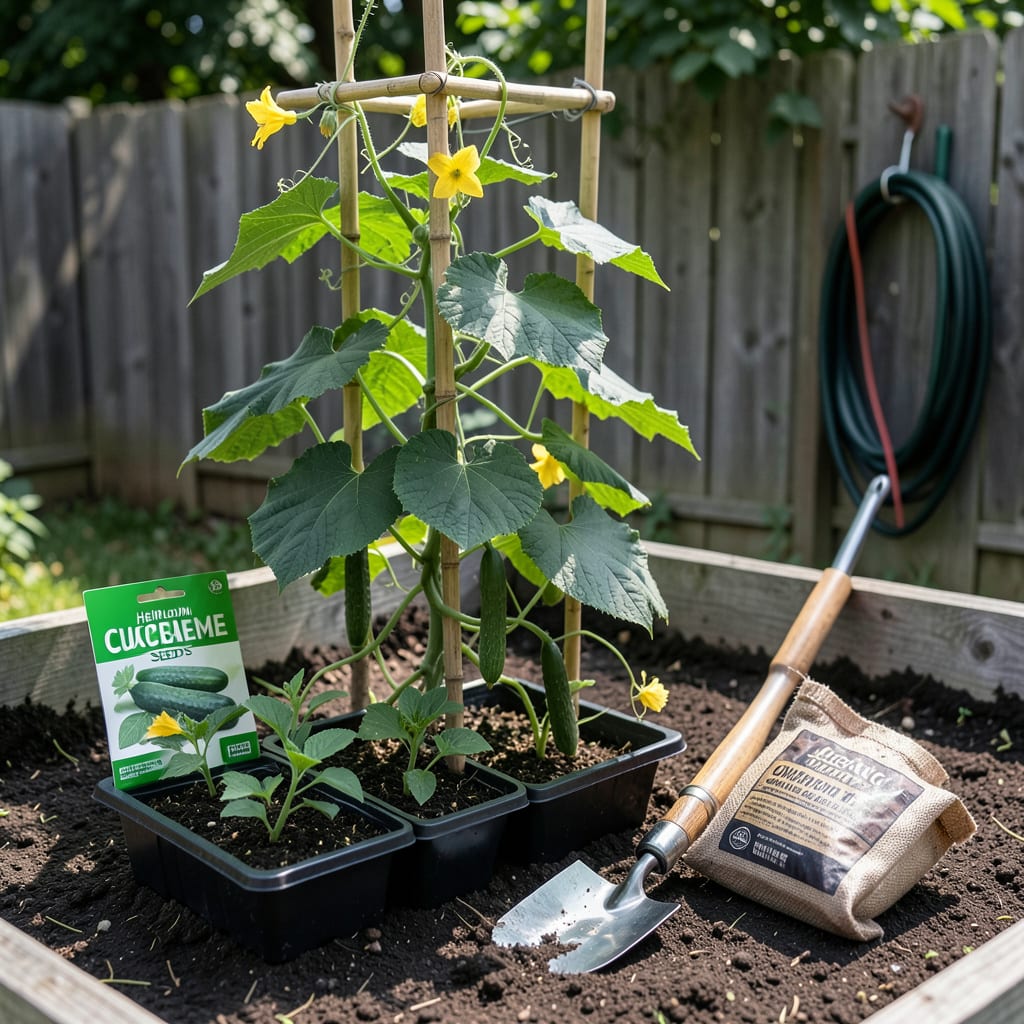
Nothing beats the crunch of a homegrown cucumber—unless you plant them at the wrong time. In South Carolina, timing isn’t just important; it’s the difference between a bumper crop and a garden flop. I’ve seen too many gardeners lose their 🥒 cucumbers to late frosts or summer scorchers.
Here’s the good news: with the right schedule, you can harvest crisp cucumbers twice a year. Whether you’re in the coastal lowlands or the Upstate, I’ll break down the exact windows for zones 7b-9a. Let’s make this your most productive season yet.
If you’re eager to grow crisp, homegrown cucumbers in South Carolina, timing is your secret weapon. Our state’s diverse climate—from the coastal Lowcountry to the Upstate foothills—means planting windows vary. Get it right, and you’ll enjoy abundant harvests from late spring through fall.
Cucumbers thrive in warm soil (60°F+) and can’t tolerate frost. That’s why I always recommend waiting until after your last frost date. But don’t wait too long—summer heat can stress plants if they’re not established. Let’s break down the perfect planting windows for your SC zone.
In the coastal regions (Zones 8a-9a), you can start 2-3 weeks earlier than the Upstate. I’ve found that March 20 is often the sweet spot for Charleston-area gardeners. Just watch for late cold snaps—row covers can protect young plants if temps dip.
For the Piedmont (Columbia, Greenville), mid-April is ideal. The soil warms up reliably by then, and you’ll avoid the late frost risk that sometimes lingers into early April. If you’re itching to plant earlier, try black plastic mulch to warm the soil faster.
The Upstate (Zones 7a-7b) has the shortest growing season, so don’t rush it. I wait until after April 15 to direct-sow seeds. For a head start, you can begin indoor seedlings in late March, but cucumbers dislike transplanting—handle roots gently!
Fall planting is a game-changer in SC. The key is timing it so cucumbers mature before first frost. In the Lowcountry, aim for an August 1 planting to harvest by October. Further inland, plant by late July to beat the Piedmont’s earlier frosts.
Remember, soil temperature matters more than air temp. Cucumber seeds won’t germinate below 50°F, and growth slows under 60°F. I use a $10 soil thermometer—it’s the best investment for perfect timing. If your soil is still cool, try raised beds; they warm up faster.
For container gardeners, you can push the season slightly by moving pots to sunny, sheltered spots during cold snaps. Just ensure containers are at least 5 gallons with drainage holes. Cucumbers need room to grow, whether in-ground or in pots!
If you’re planting vining varieties (like ‘Straight Eight’), install trellises at planting time to avoid disturbing roots later. Bush types (like ‘Bush Champion’) are great for small spaces but may need more frequent harvesting to keep production high.
Finally, mark your calendar for successive plantings every 2-3 weeks until early summer. This staggers your harvest, so you’re not overwhelmed with cucumbers all at once. And don’t forget—fall cucumbers often taste sweeter with fewer pest pressures!
Now that you’ve got the timing down, let’s talk about avoiding common mistakes that can derail your cucumber success. Even perfect planting dates won’t help if you overlook these critical factors… 🌱
Even with perfect timing, some common mistakes can sabotage your cucumber harvest. I’ve seen gardeners lose entire crops by overlooking simple details. Let’s tackle the top 3 pitfalls and how to avoid them, so your plants thrive from seed to harvest.
First up: ignoring microclimates. Your neighbor’s garden might be ready for planting while yours still has cool pockets. Always check your specific location’s soil temp—don’t rely on general zone guidelines alone. A sunny slope or urban heat island can create warmer pockets that allow earlier planting.
Another silent yield-killer is inconsistent watering. Cucumbers are 90% water, so fluctuations cause bitter fruit or blossom-end rot. I set up drip irrigation on timers to maintain even moisture. Aim for 1-1.5 inches weekly, more during heat waves.
Don’t forget about pest prevention. Cucumber beetles and squash bugs love SC’s humidity. I plant radishes or nasturtiums as trap crops and use floating row covers early in the season. For organic control, kaolin clay works wonders against beetles.
Many gardeners also overlook soil preparation. Cucumbers are heavy feeders—work in 2-3 inches of compost before planting. I add a balanced fertilizer (10-10-10) at planting, then side-dress with compost tea every 3 weeks during growth.
Finally, watch for poor pollination issues. If you’re growing in containers or greenhouses, you may need to hand-pollinate. Use a small paintbrush to transfer pollen from male to female flowers in the morning when pollen is most viable. 🌱
Not all cucumbers thrive in South Carolina’s steamy summers and humid falls. After testing dozens of varieties, I’ve found the top performers that laugh at our heat waves and resist common diseases. Let’s explore the best picks for your SC garden, whether you crave slicing cucumbers or crunchy picklers.
For slicing cucumbers, you can’t beat ‘Straight Eight’—it’s a classic for good reason. This heirloom produces 8-inch fruits in just 60 days and handles heat better than most. If you want something unique, try ‘Lemon Cucumber’ with its mild, sweet flavor and round shape. It matures in 65 days and stays productive even when temps soar.
If pickling cucumbers are your goal, ‘Boston Pickling’ is my top SC recommendation. This variety produces blocky, 3-5 inch fruits in just 55 days and resists both powdery mildew and cucumber mosaic virus. For something different, ‘Armenian cucumbers’ (technically melons) thrive in our heat, growing 2-3 feet long with sweet, seedless flesh.
For small-space gardeners, ‘Bush Champion’ is a lifesaver. This compact variety grows just 24 inches wide but still produces full-sized cucumbers in 55 days. It’s perfect for containers on your patio or small raised beds. Another great container choice is ‘Spacemaster’, which produces 8-inch fruits on vines only 3 feet long.
No matter which variety you choose, remember that consistent moisture is key to preventing bitter cucumbers. I use drip irrigation on timers to maintain even soil moisture. Also, consider succession planting every 2-3 weeks for continuous harvests. This works especially well with fast-maturing varieties like ‘Bush Champion’ or ‘Boston Pickling’.
For organic gardeners, look for disease-resistant varieties like ‘Diva’ (58 days), which is gynoecious (produces mostly female flowers) and resists powdery mildew. Another excellent choice is ‘Little Leaf’, which has smaller leaves that allow better air circulation, reducing fungal issues in our humid climate.
Don’t forget about trellising! Vining varieties like ‘Straight Eight’ or ‘Armenian’ will produce straighter fruits and suffer fewer disease issues when grown vertically. I use simple cattle panels bent into arches—they’re inexpensive and create a walk-through tunnel of cucumbers! 🌱
Only in the coastal Lowcountry (Zones 8b-9a) if you use row covers or cold frames. Even then, wait until soil reaches 60°F at 4″ depth. Most years, mid-March is safer for direct sowing.
Count backward 60-70 days from your first frost date. In Charleston, plant by August 15; in Greenville, aim for July 20-30. Fall cucumbers often taste sweeter with fewer pests!
Not necessary, but you can start seeds 3-4 weeks early indoors for a head start. Use biodegradable pots to avoid root disturbance when transplanting. Cucumbers dislike transplant shock, so handle gently.
This usually means poor pollination or all-male flowers early in the season. Plant bee-friendly flowers nearby or hand-pollinate using a small paintbrush. Stress from heat or drought can also cause fruit drop.
Choose bush varieties like ‘Bush Champion’ and use 5+ gallon containers with drainage. Place in full sun and water daily in summer. Trellises save space and improve air circulation.
