
Beautiful Plants For Your Interior
Beautiful Plants For Your Interior
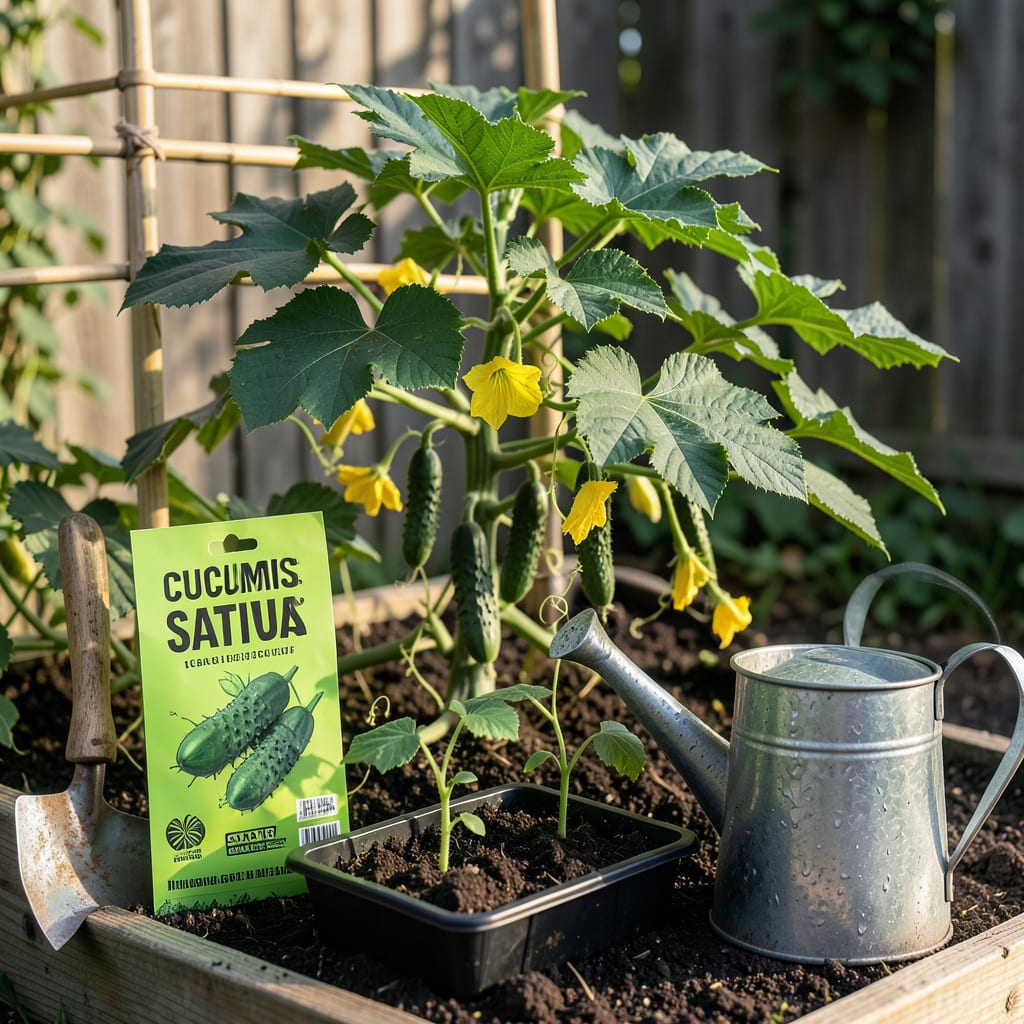
Oregon’s unpredictable springs can make planting 🥒 cucumbers feel like a gamble—plant too soon, and frost wipes out your seedlings; wait too long, and you’ll miss the prime growing window. But here’s the good news: timing isn’t guesswork if you know your region’s sweet spot.
I’ve dug into the data—from the Willamette Valley’s mild microclimates to the coast’s cooler temps—to pinpoint exactly when to get those seeds in the ground. Whether you’re in zone 7 or 9, I’ll show you how to sync with Oregon’s seasons for a harvest that’s both bountiful and stress-free.
Oregon’s diverse climate means the perfect time to plant 🥒 cucumbers varies dramatically depending on where you live. In the Willamette Valley, you’ll plant weeks earlier than in the Cascade foothills, where cooler temps linger. The key? Soil temperature must stay above 60°F.
Coastal gardeners face unique challenges with cooler summers and persistent moisture, while Eastern Oregon’s high desert demands careful watering. I’ll break down the exact windows for each region—so you can plant with confidence, not guesswork.
| Region | USDA Zone | Direct Sow | Transplant | Last Frost |
|---|---|---|---|---|
| Willamette Valley | 8a-9a | May 1–15 | April 15–30 | April 10 |
| Oregon Coast | 8b-9a | May 15–June 1 | May 1–15 | April 20 |
| Cascade Foothills | 7a-8a | May 15–30 | May 1–15 | May 5 |
| Eastern Oregon | 6a-7a | May 20–June 5 | May 10–25 | May 15 |
*Start seeds indoors 3–4 weeks before transplant dates for a head start.
In the Willamette Valley, where summers are warm but not scorching, I recommend planting ‘Straight Eight’ or ‘Marketmore 76’ varieties. These thrive in the valley’s longer season and resist common diseases like powdery mildew.
Coastal gardeners should opt for cool-tolerant varieties like ‘Northern Pickling’ or ‘Lemon Cucumber’. These handle the lower light and cooler nights better than heat-loving types. Use black plastic mulch to warm the soil faster.
Eastern Oregon’s short season and hot days mean you’ll want fast-maturing varieties like ‘Bush Champion’ (55 days). Plant in raised beds to improve drainage and warm soil quicker. Drip irrigation is a must here—overhead watering evaporates too fast.
For the Cascade foothills, where nights stay cool, I swear by row covers to trap heat. Plant ‘Suyo Long’ cucumbers—they tolerate cooler temps and produce heavily. Remove covers when flowers appear to allow pollinator access.
No matter your region, always check soil temperature with a thermometer before planting. Cucumbers sulk in cold soil, and seeds won’t germinate below 50°F. If you’re eager to start early, use cloches or cold frames to protect young plants.
Succession planting works wonders in Oregon’s climate. Sow a new batch every 2–3 weeks until mid-July for continuous harvests. This is especially useful in the Willamette Valley, where the long season allows for multiple crops. Just be sure your last planting matures before the first frost.
Watch the 10-day forecast before planting—Oregon’s spring weather can be fickle. If nights below 50°F are predicted, hold off or use protection. Cucumbers grow fastest when nights stay above 55°F and days reach 70–90°F.☀️
Getting your soil ready is half the battle when growing 🥒 cucumbers in Oregon. Our state’s diverse conditions—from the Willamette Valley’s clay-heavy soil to the coast’s moisture-rich ground—demand tailored prep. The right foundation means healthier plants and bigger harvests.
Start by testing your soil’s pH level—cucumbers thrive in 6.0–6.8. Oregon’s native soil often leans acidic, so you may need to add lime to balance it. I always grab a $10 test kit from my local nursery; it’s a game-changer for avoiding nutrient lockout.
In the Willamette Valley, our clay soil holds water but drains poorly. I tackle this by mixing in coarse sand and composted bark to create a loamy texture. For coastal gardens, where moisture lingers, raised beds are non-negotiable to prevent soggy roots.
Eastern Oregon’s sandy soil drains too fast, so I amend with coconut coir or peat moss to retain moisture. A 2-inch mulch layer (straw or grass clippings) keeps roots cool and conserves water—critical in the high desert’s scorching summers.
Don’t skip the soil thermometer! Cucumbers need soil temps above 60°F to thrive. If your garden’s still chilly, warm it with clear plastic laid over the bed for 1–2 weeks before planting. This trick shaves days off your wait time.
For container gardening, use a lightweight potting mix with added compost. I swear by 5-gallon buckets with drainage holes—just ensure each plant gets 1–2 gallons of soil. Containers dry out fast, so check moisture daily in Oregon’s summer heat.
Finally, consider a pre-plant soak. Water your beds deeply 24 hours before sowing seeds or transplanting. This ensures even moisture and reduces transplant shock. With these steps, your cucumbers will have the perfect home to grow fast and productive.💧
Even experienced Oregon gardeners can sabotage their 🥒 cucumber crops without realizing it. Our state’s finicky weather and varied microclimates create perfect conditions for common pitfalls—like planting too early or ignoring humidity risks. Let’s fix these before they wreck your harvest.
One of the biggest mistakes I see? Assuming all of Oregon has the same growing conditions. What works in the Willamette Valley can flop on the coast or in Eastern Oregon’s high desert. Here are the top three errors—and how to sidestep them for a bumper crop.
In the coastal regions, where mornings stay damp, I’ve lost entire plants to powdery mildew by mid-summer. The fix? Morning watering (so leaves dry fast) and a baking soda spray (1 tsp baking soda + 1 quart water + dash of soap) every 10 days as prevention.
Eastern Oregon gardeners often struggle with blossom-end rot, mistakenly blaming drought. The real culprit? Calcium deficiency from inconsistent watering. I combat this by adding crushed eggshells to the soil at planting and using soaker hoses to maintain even moisture. A 2-inch mulch layer helps too.
Another frequent misstep is crowding plants. Cucumbers need 12–24 inches of space (depending on variety) for airflow and sunlight. In the Cascade foothills, where nights stay cool, tight spacing leads to weak stems and fewer fruits. Use trellises to save space while improving circulation.
Finally, don’t forget to harden off transplants! Oregon’s spring winds and temperature swings shock tender starts. I acclimate mine over 7–10 days, gradually increasing sun and wind exposure. Skip this step, and you’ll see wilted leaves or stunted growth within days.☀️
Start seeds indoors 4–6 weeks before your region’s last frost date. In the Willamette Valley, that’s mid-March; for the coast or Cascade foothills, wait until early April. Use a heat mat to keep soil at 70°F for faster germination.
Use row covers or cloches to shield plants from late frosts and chilly winds. Remove covers during warm days to prevent overheating. For coastal areas, windbreaks help reduce stress from strong ocean breezes.
Choose bush varieties like ‘Bush Champion’ and use 5-gallon containers with drainage. Place in full sun (6+ hours daily) and water daily in summer. A trellis saves space and boosts airflow.
Bitterness comes from stress—usually uneven watering or heat spikes. Mulch with straw to keep soil moist and consistent. In Eastern Oregon’s heat, provide afternoon shade during peak summer. Harvest frequently to avoid overripe fruit.
Count backward from your region’s first frost date (around October 15 for most of Oregon). Stop sowing 90 days before that—so mid-July for the Willamette Valley. Coastal gardeners can push to early August.
