
Beautiful Plants For Your Interior
Beautiful Plants For Your Interior
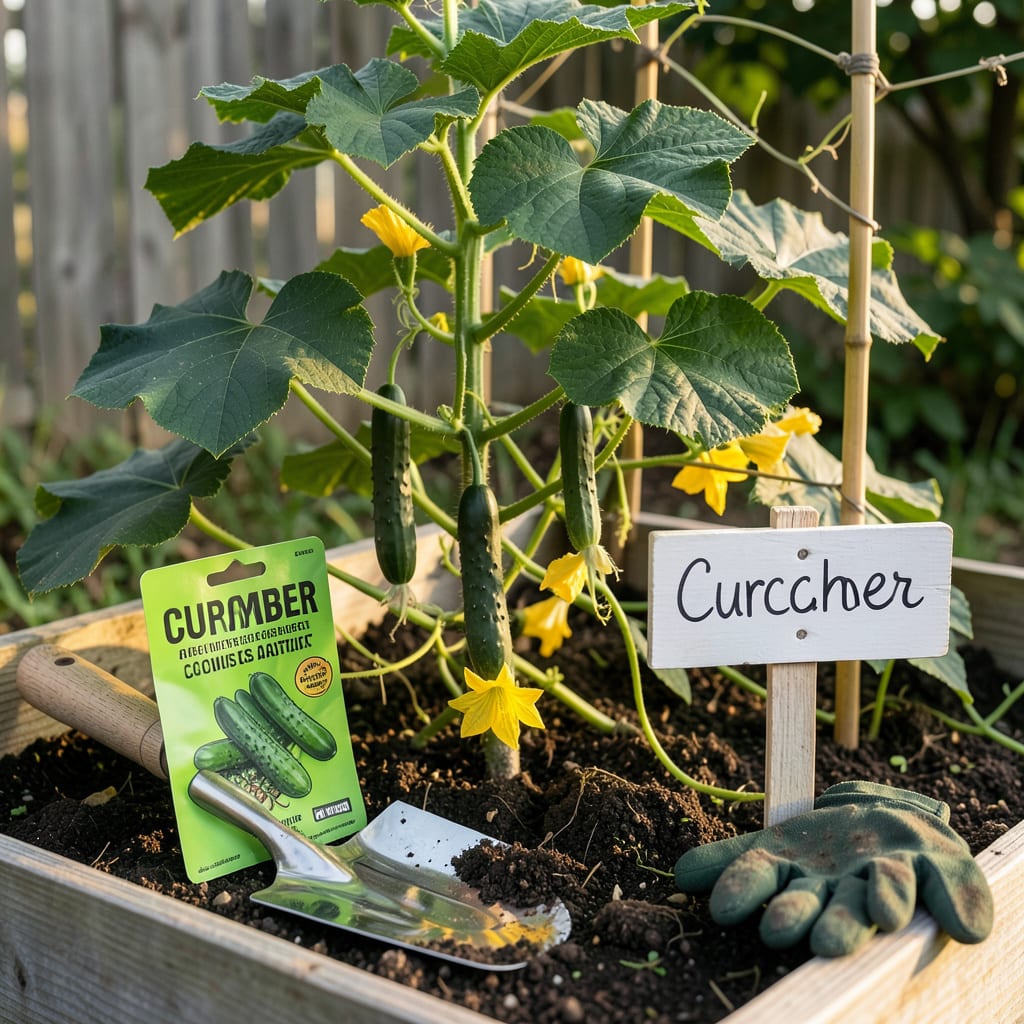
Timing your cucumber planting in New Jersey can mean the difference between a bountiful harvest and a disappointing season. That first crisp 🥒 cucumber straight from the vine is worth getting right—but NJ’s unpredictable springs make it tricky.
I’ve tested the ideal windows across zones 6b-7a, and the sweet spot is narrower than you’d think. Skip the guesswork: I’ll show you exactly when to plant for juicy, homegrown cucumbers all summer long—without gambling on late frosts or missed opportunities.
If you’ve ever lost cucumber seedlings to a surprise late spring frost in New Jersey, you know timing isn’t just important—it’s everything. NJ’s three distinct climate zones (Northern, Central, Southern) mean your planting window shifts dramatically. I’ll break down the exact frost-free dates, soil temps, and microclimate tweaks to nail your cucumber season.
Here’s the golden rule: Soil temperature must hit 60°F before planting, and air temps should stay above 50°F at night. Coastal areas warm faster than inland, and urban heat islands (like Newark or Camden) can buy you an extra week. Let’s dig into the specifics with this region-by-region guide.
| Region | USDA Zone | Last Frost Date | Safe Planting Window | First Harvest |
|---|---|---|---|---|
| Northern NJ (Sussex, Bergen, Passaic) |
6a-6b | May 10–15 | May 20–June 10 (Start indoors April 20) |
July 10–20 |
| Central NJ (Mercer, Middlesex, Monmouth) |
7a | April 25–May 5 | May 10–30 (Start indoors April 10) |
June 25–July 10 |
| Southern NJ (Atlantic, Cape May, Cumberland) |
7b | April 10–20 | April 25–May 15 (Start indoors March 25) |
June 15–30 |
Pro Tip: Use a soil thermometer—don’t guess! Coastal areas (e.g., Cape May) can plant 1–2 weeks earlier than inland.
I always remind gardeners: NJ’s “last frost” date is a moving target. In 2023, Northern NJ saw a May 18 frost—two weeks later than average. That’s why I recommend succession planting: sow seeds every 2–3 weeks until early July. This staggers harvests and hedges against weather surprises.
For early starts, use black plastic mulch to warm soil faster—it can bump soil temps by 5–10°F. In Southern NJ, you might sneak in a late March indoor start under grow lights, but Northern gardeners should wait until mid-April to avoid leggy seedlings.
Soil prep matters just as much as timing. Cucumbers crave loose, well-draining soil with a pH of 6.0–6.8. Work in 2–3 inches of compost and a balanced fertilizer (like 10-10-10) before planting. If your soil is heavy clay (common in parts of Central NJ), mix in sand or perlite to improve drainage.
Watch for microclimate quirks. Urban areas (e.g., Jersey City, Trenton) retain heat, letting you plant 5–7 days earlier than rural spots. Conversely, low-lying areas near rivers or lakes (like the Delaware Valley) stay cooler and frost-prone longer. When in doubt, check your local weather station’s soil temps—not just air temps!
If you’re growing vining cucumbers (like ‘Straight Eight’), install trellises at planting to save space and reduce disease. Bush varieties (e.g., ‘Bush Champion’) are ideal for containers or small gardens—just ensure pots are at least 5 gallons with drainage holes. Both types need 1–1.5 inches of water weekly, but drip irrigation beats overhead watering to prevent mildew.
Don’t forget companion plants! Pair cucumbers with marigolds to deter beetles, nasturtiums to repel aphids, or bush beans to fix nitrogen. Avoid planting near aromatic herbs like sage or mint—they can stunt cucumber growth. And if powdery mildew is a past problem, space plants 3–4 feet apart for airflow and apply neem oil preventatively.
Finally, harvest timing affects next year’s planning. Most NJ cucumbers mature in 50–70 days. Pick every 2–3 days once fruiting starts to encourage more production. If you’re growing for pickling, harvest when cucumbers are 2–4 inches long; for slicing, wait until they’re 6–8 inches. Overripe cucumbers signal the plant to stop producing, so stay vigilant!
By aligning your planting with NJ’s frost dates, leveraging microclimates, and using succession planting, you’ll harvest crisp cucumbers from July through September. And if you’re ambitious
Want to squeeze extra weeks out of NJ’s cucumber season? With our short 180-day frost-free window, every day counts. I’ve tested these five battle-proven tricks to push planting earlier and harvest later—without gambling on frost or heat stress.
Start by warming your soil faster with black plastic mulch or row covers. These simple tools can raise soil temps by 5–10°F, letting you plant 7–10 days earlier than bare-ground methods. Pair this with cold-hardy varieties like ‘Northern Pickling’ for the win.
Bonus: Coastal gardeners (Zone 7b) can push these tips even further—try late February indoor starts!
For late-season cucumbers, focus on disease prevention. NJ’s humid summers breed powdery mildew, so space plants 3–4 feet apart and water at the base only (never overhead). I swear by neem oil sprays every 10–14 days—it’s organic and works wonders.
Container gardeners, listen up: Use 5-gallon pots with trellises for vining types. Bush varieties like ‘Bush Champion’ thrive in 3-gallon containers but need daily watering in July’s heat. Place pots where they’ll get full sun (6+ hours)—a south-facing patio is ideal.
Here’s my secret weapon for early harvests: start seeds indoors under grow lights 3–4 weeks before transplanting. Use peat pots to avoid root shock, and harden off seedlings for 7–10 days before moving them outside. Southern NJ gardeners can begin indoors as early as late March!
To beat the cucumber beetle (NJ’s #1 cucumber killer), try yellow sticky traps and kaolin clay sprays. Plant marigolds or nasturtiums nearby—they repel beetles while attracting pollinators. If pests persist, floating row covers (removed during flowering) work like a charm.
Remember: NJ’s cucumber season isn’t just about timing—it’s about strategy. Combine these tips with the region-specific dates from our planting calendar, and you’ll harvest crisp, homegrown cucumbers from July through October. Now that’s what I call a garden win! 🌱
Not all cucumbers thrive equally in New Jersey’s 180-day growing season. The key is matching varieties to your specific window—whether you’re in cool Northern NJ (Zone 6b) or the warmer Southern coast (Zone 7b). Let’s break down the best picks for every scenario.
For short-season gardeners (or impatient eaters!), focus on fast-maturing varieties that produce in 50–55 days. These are perfect for Northern NJ’s tighter window or if you’re planting late. Longer-season varieties (65+ days) shine in Southern NJ, where extra heat fuels their growth.
| Variety | Days to Harvest | Best For | Key Traits |
|---|---|---|---|
| Bush Champion | 55 days | Containers, small spaces | Compact (3 ft), disease-resistant |
| Marketmore 76 | 60 days | Humid climates | Mildew-resistant, crisp flavor |
| Straight Eight | 65 days | Slicing, long season | Classic heirloom, 8″ fruits |
| Northern Pickling | 50 days | Cool springs, pickling | Cold-tolerant, blocky shape |
| Lemon Cucumber | 65 days | Heat tolerance, novelty | Sweet, round, yellow when ripe |
Pro Tip: For Northern NJ, stick to 50–55 day varieties. Southern gardeners can experiment with longer-season types (70+ days).
If powdery mildew plagues your garden (common in NJ’s humid summers), prioritize disease-resistant hybrids like ‘Diva’ or ‘Sweet Success’. These varieties thrive in high humidity and resist common fungal issues. For container growing, ‘Spacemaster’ or ‘Patio Snacker’ stay compact while yielding heavily.
Vining cucumbers (like ‘Straight Eight’) need trellises (5–6 ft tall) to save space and improve airflow. Bush types (e.g., ‘Bush Champion’) max out at 3 feet, making them ideal for patios or raised beds. Both types need full sun (6+ hours) and consistent moisture—aim for 1–1.5 inches of water weekly.
For succession planting, pair early varieties (like ‘Northern Pickling’) with mid-season types (‘Marketmore 76’). This ensures harvests from July through September. In Southern NJ, you might even sneak in a late August planting of fast-maturing ‘Bush Champion’ for a fall crop before frost.
Remember: Variety selection is your first defense against NJ’s unpredictable weather. Match your picks to your zone, space, and goals (slicing vs. pickling), and you’ll be rewarded with crisp, homegrown cucumbers all season long. 🌱
Southern NJ gardeners can begin indoors as early as late March, while Northern NJ should wait until mid-April. Use grow lights for 14–16 hours daily to prevent leggy seedlings.
Choose bush varieties like ‘Bush Champion’ and use 5-gallon pots with drainage. Place in full sun and water daily in summer—containers dry out faster than ground soil.
Cover plants with frost blankets or row covers if temps dip below 50°F. For extra warmth, use black plastic mulch to raise soil temps by 5–10°F.
Use succession planting: sow seeds every 2–3 weeks until early July. Pair early varieties with mid-season types for harvests from July through September.
