
Beautiful Plants For Your Interior
Beautiful Plants For Your Interior
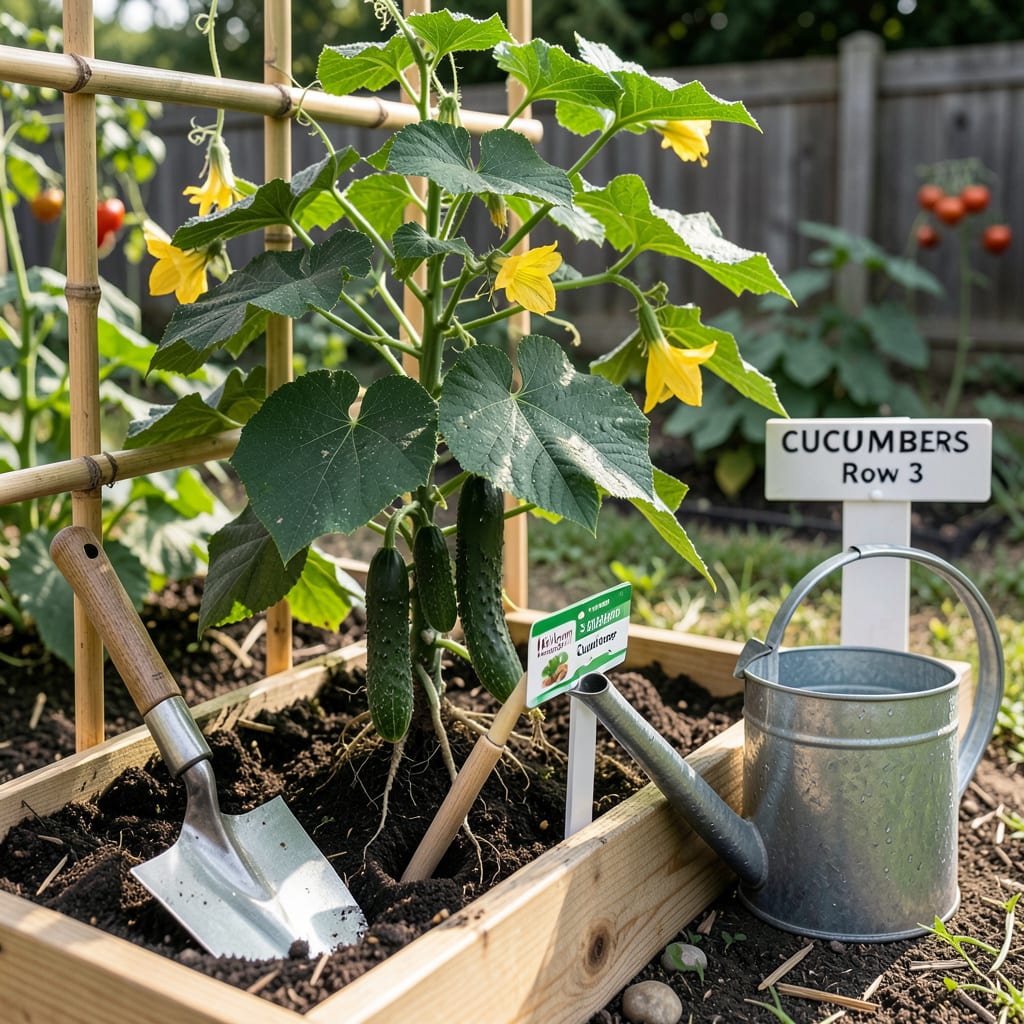
Timing your cucumber planting in Massachusetts can mean the difference between a bountiful harvest and a disappointing season. Plant too early, and a late frost could wipe out your seedlings. Wait too long, and you’ll miss the peak growing window for those crisp, sweet 🥒 cucumbers we all love.
After years of testing and adjusting, I’ve nailed down the perfect planting schedule for zones 6a-7b. Whether you’re in coastal Boston or the hills of Worcester, I’ll show you exactly when to get those seeds in the ground—and how to stretch your harvest from July through September.
Getting your cucumber seeds in the ground at the right time is critical in Massachusetts. Our zones 5-7 span from the cooler Berkshires to the milder Cape Cod coastline, meaning planting dates can vary by 2-3 weeks depending on where you live.
The golden rule? Wait until soil temps hit 60°F—cucumbers hate cold roots! In most of the state, that means aiming for mid-May through early June for direct sowing. But let’s break it down by zone so you can plant with confidence.
| Zone | Last Frost Date | Direct Sow | Transplant | Harvest Window |
|---|---|---|---|---|
| Zone 5 (Berkshires, Worcester) | May 15 | May 20 – June 5 | June 1 – June 10 | Late July – Sept |
| Zone 6 (Boston, Springfield) | May 10 | May 15 – May 30 | May 25 – June 5 | Mid-July – Sept |
| Zone 7 (Cape Cod, Islands) | May 1 | May 5 – May 20 | May 15 – May 25 | Early July – Oct |
If you’re starting indoor seedlings, begin 3-4 weeks before your zone’s transplant date. I recommend using biodegradable pots to avoid root shock when moving them outside. Just remember: cucumbers grow fast, so don’t start them too early!
For those in cooler microclimates (like elevated areas), consider using black plastic mulch to warm the soil. This trick can give you a 1-2 week head start on planting. Row covers are another great way to protect young plants from unexpected late frosts.
Want to extend your harvest? Try succession planting. Sow a new batch every 2-3 weeks until early July. This way, you’ll have fresh cucumbers all summer long instead of one big glut. I’ve had great success with this method in my Zone 6 garden.
Pro tip: Always check your local frost dates using the Old Farmer’s Almanac tool. Even within the same zone, urban areas like Boston may be slightly warmer than surrounding suburbs, allowing for earlier planting.
Don’t forget about soil prep! A week before planting, work in 2-3 inches of compost and ensure your soil pH is between 6.0-6.8. Cucumbers are heavy feeders, so this step is crucial for a productive harvest.
For container gardeners, you can start a bit earlier since pots warm up faster. Just be ready to move them indoors if frost threatens. I’ve grown fantastic cucumbers in 5-gallon containers on my patio using a trellis for support.
Remember, vining varieties need more space (and a trellis) than bush types. If you’re short on space, consider compact varieties like ‘Bush Champion’ or ‘Spacemaster’ that do well in containers and small gardens.
By following these zone-specific guidelines and preparing your soil properly, you’ll be harvesting crisp, delicious cucumbers all summer long. The key is patience—wait for warm soil, and your plants will reward you with abundant production.
🥒Getting your cucumber seeds in the ground at the right time is just the start. To grow the crispest, most flavorful 🥒 cucumbers in Massachusetts, you’ll need to prep your soil, choose the right varieties, and manage pests like a pro. Here’s what I’ve learned from years of trial and error.
First, soil prep matters more than you might think. Cucumbers thrive in loose, well-draining soil rich in organic matter. Work in 2–3 inches of compost or aged manure before planting. If your soil is heavy clay (common in parts of MA), mix in sand or perlite to improve drainage.
If you’re short on space, vertical gardening is your best friend. Train vining cucumbers up a trellis or cattle panel to maximize yield in small plots. I’ve found this also leads to straighter fruit and fewer pest issues since the leaves and fruit stay off the damp soil.
Pests like cucumber beetles and squash bugs can devastate your crop. My go-to strategy? Plant radishes or nasturtiums nearby as trap crops. For organic control, spray neem oil at dusk every 7–10 days once pests appear. Always check the undersides of leaves for eggs!
Don’t overlook succession planting for a longer harvest. After your first planting in mid-May, sow another batch in early July for a late-summer crop. Just be sure to pick fast-maturing varieties (like ‘Patio Snacker’) for the second round to beat the fall frost.
Finally, harvest frequently—every 2-3 days once production starts. Overripe cucumbers left on the vine signal the plant to stop producing. Use clean pruners to snip fruit from the vine, leaving a small stem attached. This keeps the plant healthy and encourages more blooms.
Even with the best intentions, life happens—and sometimes we miss that perfect mid-May to June planting window for cucumbers. Don’t panic! You still have options to grow delicious 🥒 cucumbers in Massachusetts, even if you’re starting late.
The first step is choosing fast-maturing varieties. Look for types like ‘Patio Snacker’ (50 days) or ‘Bush Champion’ (55 days). These can be planted as late as early July in most zones and still produce before frost. I’ve had great success with ‘Straight Eight’ too—it’s reliable and quick!
If you’re planting late, containers are your best friend. Use 5-gallon buckets or large pots with trellises. Containers warm up faster than garden soil, giving your plants a head start. Place them in the sunniest spot available and use a dark-colored pot to absorb more heat.
For garden beds, black plastic mulch can help warm the soil quickly. Lay it down 2-3 weeks before planting to give the soil a temperature boost. This trick has saved my late-planted cucumbers more than once, especially in cooler areas like the Berkshires.
Don’t forget about season extension tools. Row covers can protect plants from cool nights and pests, while cold frames can buy you an extra 2-3 weeks of growing time. Just
If all else fails, consider purchasing transplants from a local nursery. They’ll be larger and more established than seeds, giving you a jumpstart on the season. Look for healthy plants with no yellow leaves and check for pests before bringing them home.
🥒In Zone 7 areas like Cape Cod, you can direct sow as early as May 5 if soil temps reach 60°F. Coastal areas warm faster, giving you a 1-2 week head start over inland zones.
Use a soil thermometer to check at 4-inch depth—cucumbers need 60°F minimum. If you don’t have one, watch for dandelions blooming; that’s nature’s sign soil is ready. Black plastic mulch can speed warming by 5-7°F.
Yes, but timing is tricky. Start seeds 3-4 weeks before transplanting (around April 15 for Zone 6). Use biodegradable pots to avoid root shock. Cucumbers dislike transplanting, so handle seedlings gently.
For most zones, early July is the cutoff for fast varieties like ‘Patio Snacker’ (50 days). In Zone 7, you might squeeze in a late planting until July 15. Use row covers to protect from early fall frosts.
Late-planted cucumbers often face heat stress and inconsistent watering. Bitter compounds develop when plants struggle. Mulch heavily and water 1-1.5 inches weekly to maintain even moisture.
