
Beautiful Plants For Your Interior
Beautiful Plants For Your Interior
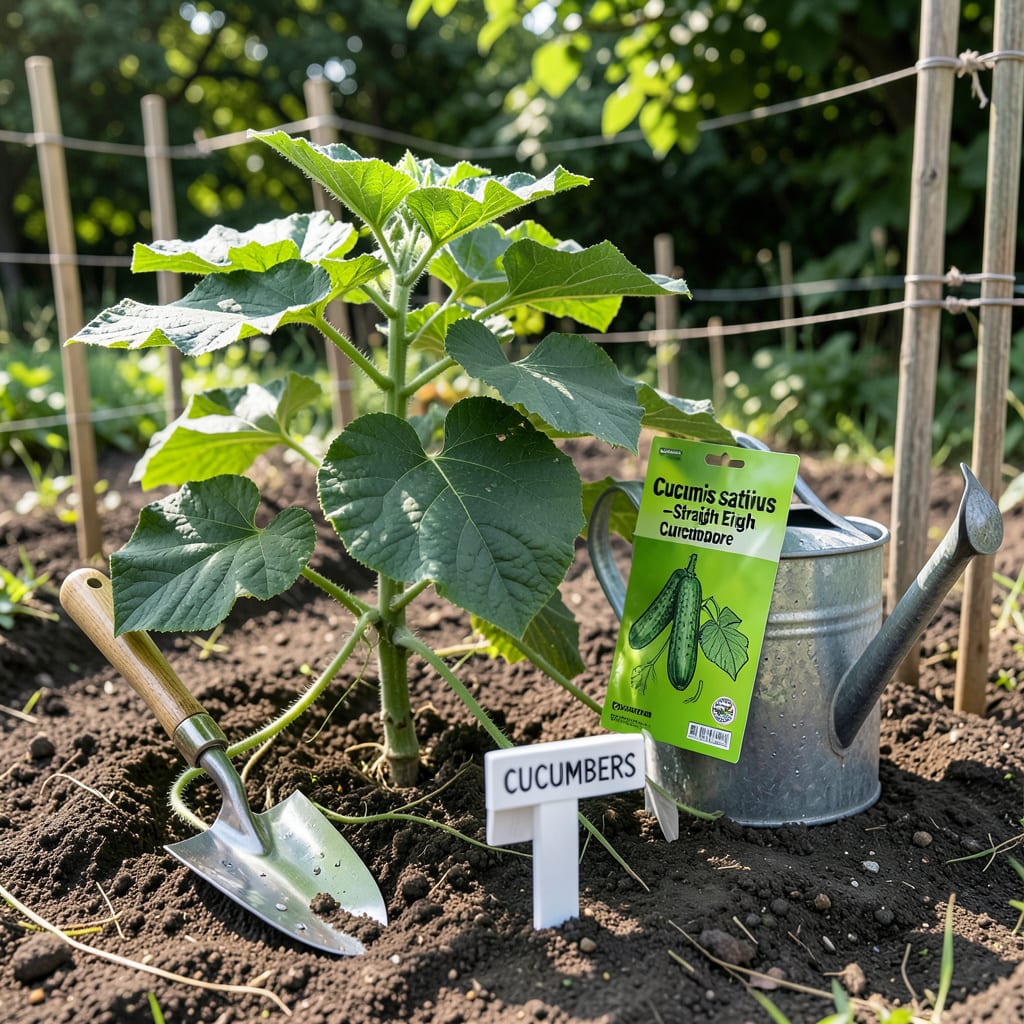
Timing your 🥒 cucumber planting in Maryland can mean the difference between a bumper crop and a disappointing harvest. Plant too early, and a late frost might wipe out your seedlings; wait too long, and you’ll miss the prime growing window.
After years of testing in Zone 7a-7b, I’ve nailed down the perfect schedule—so you can enjoy crisp cucumbers all summer. Let’s break down when to get those seeds in the ground for a harvest that’ll make your neighbors jealous.
If you’re eager to grow crisp, homegrown cucumbers in Maryland, timing is your secret weapon. Maryland’s Zone 7 climate means you’ll need to balance frost dates with soil warmth—plant too early, and a late frost could wipe out your seedlings. Wait too long, and you’ll miss the prime growing window.
For most of Maryland, the sweet spot is mid-to-late May, after the last frost (typically around April 15). But don’t just go by the calendar—soil temperature is key. Cucumbers thrive when the soil hits 60–70°F, so I always use a soil thermometer to double-check before planting.
| Season | Planting Window | Method | Notes |
|---|---|---|---|
| Spring | Mid-May to early June | Direct sow or transplant | Wait until 2–3 weeks after last frost (soil must be 60°F+). Use black plastic mulch to warm soil faster. |
| Summer | Late June to early July | Direct sow only | Opt for heat-tolerant varieties like ‘Straight Eight’. Avoid late plantings—powdery mildew risk rises in August humidity. |
| Fall | Early August | Direct sow | Choose fast-maturing varieties (50–55 days). Use row covers to extend season as nights cool. |
For coastal Maryland (like Anne Arundel County), you can often plant 1–2 weeks earlier thanks to milder temperatures. But in western Maryland (Garrett County), stick to the late-May rule—frost lingers longer in the mountains.
If you’re starting seeds indoors, begin 3–4 weeks before transplanting (around late April). I use biodegradable pots to avoid root shock. Harden off seedlings for 7–10 days before moving them outside—Maryland’s spring winds can be tough on tender plants!
Pro tip: Succession planting is your friend! Sow a new batch every 2–3 weeks until early July for a continuous harvest through September. This also helps avoid a glut of cucumbers all at once (unless you’re planning to pickle them all!).
Maryland’s humid summers can invite powdery mildew, so I recommend trellising vines for better airflow. Bush varieties like ‘Bush Champion’ are great for small spaces, while vining types (e.g., ‘Marketmore 76’) need 5–6 feet of vertical space.
Don’t forget to prepare your soil before planting! Work in 2–3 inches of compost and ensure good drainage—cucumbers hate waterlogged roots. A soil pH of 6.0–6.8 is ideal. I also add a balanced fertilizer (10-10-10) at planting, then switch to a low-nitrogen mix once flowers appear.
For container gardening, Maryland’s heat means you’ll need to water daily in summer. Use 5-gallon pots minimum and a trellis or cage for support. Dwarf varieties like ‘Spacemaster’ thrive in pots and still deliver full-sized cucumbers.
Finally, keep an eye on the 10-day forecast before planting. If nighttime temps dip below 50°F, hold off—cucumbers grow best when nights stay warm. Trust me, patience pays off with sweeter, crisper cucumbers later! 🌱
Even experienced gardeners can trip up when planting cucumbers in Maryland. The biggest mistake I see? Ignoring soil temperature. Many rush to plant after the last frost date (around April 15), but cucumbers need soil at least 60°F—often not until mid-May.
Another common blunder is overcrowding plants. Cucumber vines need space—3–5 feet apart for bush types, 5–6 feet for vining varieties. Cramped plants compete for nutrients and airflow, inviting powdery mildew, Maryland’s summer nemesis. 🌱
Many Maryland gardeners also forget succession planting. For a steady harvest, sow seeds every 2–3 weeks until early July. This prevents a single overwhelming harvest and extends your season. I use a planting calendar to track my batches—it’s a game-changer!
Neglecting soil prep is another yield-killer. Cucumbers thrive in well-draining, compost-rich soil with a pH of 6.0–6.8. Before planting, I mix in 2–3 inches of aged compost and a balanced fertilizer (like 10-10-10). Skip this step, and you’ll see weak vines and bitter fruit.
Avoid the “set-and-forget” trap with watering. Maryland’s summers swing from drought to downpours. Cucumbers need 1–1.5 inches of water weekly, but morning watering is critical to prevent fungal diseases. I use drip irrigation on a timer to keep moisture consistent without wetting the leaves.
Finally, don’t overlook variety selection. Not all cucumbers thrive in Maryland’s humidity. I recommend disease-resistant hybrids like ‘Marketmore 76’ or ‘Straight Eight’ for slicing, and ‘Boston Pickling’ for pickles. These handle our hot, humid summers far better than finicky heirlooms. ✂️
By dodging these mistakes, you’ll set yourself up for a prolific cucumber harvest. Next, let’s dive into the best varieties for Maryland’s climate—because picking the right seed can make or break your season! 🌿
Choosing the right cucumber variety can make or break your Maryland harvest. Our humid summers and variable springs demand disease-resistant, heat-tolerant cultivars. After testing dozens, I’ve narrowed it down to the top performers for Zone 7 gardens.
For slicing cucumbers, you can’t go wrong with ‘Marketmore 76’—it’s bred for powdery mildew resistance and thrives in Maryland’s heat. If you prefer heirlooms, ‘Straight Eight’ delivers classic flavor but needs extra airflow to prevent disease. 🌱
| Variety | Type | Days to Harvest | Key Traits | Best For |
|---|---|---|---|---|
| Marketmore 76 | Slicing | 68 days | Disease-resistant, heat-tolerant, dark green | Humid summers, trellising |
| Straight Eight | Slicing | 60 days | Classic flavor, vining habit, needs support | Large gardens, trellises |
| Bush Champion | Slicing | 55 days | Compact bush type, great for containers | Small spaces, patios |
| Boston Pickling | Pickling | 50 days | Prolific, blocky shape, crisp texture | Pickling, snaking |
| Spacemaster | Bush | 58 days | Dwarf container-friendly, early producer | Pots, raised beds |
For pickling cucumbers, ‘Boston Pickling’ is my top pick—it’s ready in just 50 days and holds its crunch. If you’re short on space, ‘Bush Champion’ or ‘Spacemaster’ fit perfectly in 5-gallon containers and still pump out full-sized cukes.
Maryland’s late-season humidity can be tough on cucumbers, so I always opt for disease-resistant hybrids like ‘Diva’ (downy mildew-resistant) or ‘Sweet Success’ (burpless and heat-loving). These varieties shrug off the powdery mildew that plagues many gardens by August.
If you love exotic flavors, try ‘Lemon Cucumber’—its mild, sweet taste is a hit in salads, and the yellow fruit adds a pop of color. Just note it needs extra warmth to thrive, so plant it in full sun and consider black plastic mulch to boost soil temps.
For the best results, match the variety to your garden setup. Got a trellis? Go for vining types like ‘Marketmore’. Working with containers? Stick to bush varieties. And always rotate crops yearly to prevent soil-borne diseases—Maryland’s humidity makes this extra important! 🌿
Cucumbers thrive when soil reaches 60–70°F. In Maryland, this typically happens mid-to-late May, even if air temps feel warm earlier. Use a soil thermometer to check—don’t guess!
Yes! Begin indoors 3–4 weeks before transplanting (around late April). Use biodegradable pots to avoid root shock, and harden off seedlings for 7–10 days before moving outside.
Trellising is key! Elevate vines for better airflow to combat powdery mildew. Water in the morning (never evenings) and space plants 3–5 feet apart. Consider disease-resistant varieties like ‘Diva’ or ‘Marketmore 76’.
Sow new seeds every 2–3 weeks until early July for a continuous harvest through September. This prevents a cucumber glut and extends your season before fall frosts.
Aim for early August with fast-maturing varieties (50–55 days). Use row covers to protect from cooler nights. Avoid late plantings—Maryland’s powdery mildew risk spikes in late summer.
