
Beautiful Plants For Your Interior
Beautiful Plants For Your Interior
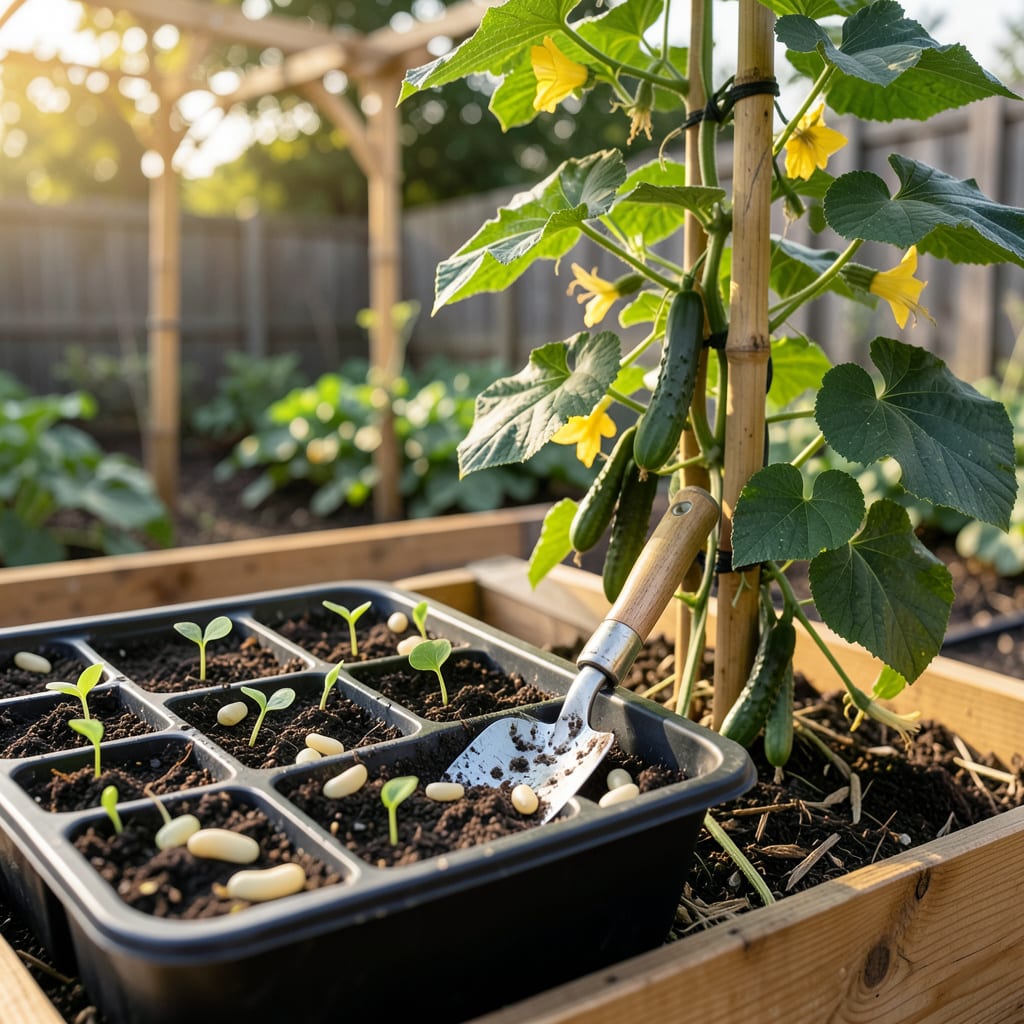
Louisiana’s humid climate can make or break your 🥒 cucumber harvest. Plant too early, and unexpected chills might stunt growth; wait too long, and the summer sun could fry your vines before they even bear fruit.
After testing different planting windows in Zone 9a, I’ve locked in the perfect timing for crisp, abundant cucumbers. Whether you’re in Baton Rouge or Shreveport, these insights will help you sidestep common mistakes and maximize your yield—without the guesswork.
Louisiana’s diverse climate zones mean cucumber planting times vary dramatically from Shreveport to New Orleans. In the northern parishes, you’ll want to wait until after the last frost date (around March 15), while southern gardeners can start as early as late February.☀️
The secret? Soil temperature—cucumbers thrive when soil hits 60°F or higher. I’ve found that planting in cool, soggy soil leads to rot, while waiting for warmth ensures vigorous growth. Here’s how to time it perfectly for your corner of the Pelican State.
| Region | Early Spring Planting | Late Summer Planting | Soil Temp Threshold | Notes |
|---|---|---|---|---|
| North LA (Zones 7b-8a) |
March 15–April 15 | July 15–August 1 | 60°F+ | Watch for late frosts; use row covers if needed. |
| Central LA (Zone 8b) |
March 1–March 30 | July 1–July 20 | 65°F+ | Ideal for succession planting every 3 weeks. |
| South LA (Zone 9a) |
February 15–March 10 | June 15–July 10 | 70°F+ | Heat-tolerant varieties like ‘Straight Eight’ excel here. |
For fall harvests, aim to plant 10–12 weeks before your first frost date. In New Orleans, that means sowing seeds by early August, while Monroe gardeners should wrap up planting by late July. This timing ensures cucumbers mature before cooler weather slows growth.
Succession planting is your best friend in Louisiana. I plant a new batch every 2–3 weeks until mid-summer, which keeps my kitchen stocked with fresh cucumbers for months. Just remember: vining varieties need trellises to avoid disease from damp soil.
If you’re dealing with heavy clay soil (common in central LA), work in 2–3 inches of compost before planting. This improves drainage and warms the soil faster. For sandy coastal soils, mix in aged manure to retain moisture and nutrients.
Watch the 10-day forecast before planting. If nighttime temps dip below 50°F, hold off—cucumbers hate cold feet! A soil thermometer (just $10 at garden centers) takes the guesswork out of timing. I check mine at 9 AM for the most accurate reading.
In humid areas like Baton Rouge, powdery mildew can wipe out plants by midsummer. Combat this by planting resistant varieties (‘Diva’ or ‘Marketmore 76’) and spacing vines 3 feet apart for airflow. A drip irrigation system keeps foliage dry, reducing disease risk.
For container gardeners, start seeds indoors 3–4 weeks before your outdoor planting date. Use 5-gallon buckets with drainage holes and a trellis for vertical growth. Move pots to partial shade when temps exceed 90°F to prevent heat stress.
Remember: Louisiana’s long growing season is a blessing and a curse. While you can harvest cucumbers for 6+ months, pests like cucumber beetles thrive here too. I swear by yellow sticky traps and neem oil sprays every 10 days to keep them in check.🌱
Louisiana’s sweltering summers and humid air can stress cucumbers—but with the right tricks, you’ll harvest crisp, abundant fruit all season. My top strategy? Variety selection makes or breaks success. Heat-tolerant picks like ‘Straight Eight’ or ‘Lemon Cucumber’ thrive where others wilt.
Here’s the game-changer: mulch like a pro. A 2–3 inch layer of straw or grass clippings keeps soil cool and moist, smothers weeds, and prevents soil-borne diseases from splashing onto leaves. I’ve cut my watering in half using this simple step in my Baton Rouge garden.
Don’t overlook soil prep. Louisiana’s clay-heavy soils need compost or aged manure worked in 12 inches deep before planting. I mix in 1 cup of balanced fertilizer (10-10-10) per plant at planting time, then switch to low-nitrogen feed (5-10-10) once vines flower.
For container growers, pick bush varieties like ‘Spacemaster’ and use 5-gallon pots with drainage holes. Elevate pots on bricks or a plant stand to improve drainage—critical in Louisiana’s frequent downpours. Feed with liquid fish emulsion every 2 weeks for container-grown plants.
Pollination pro tip: If you’re growing in a greenhouse or screened porch, hand-pollinate female flowers (they have tiny cucumbers at the base) with a soft paintbrush. Louisiana’s native bees are great pollinators, but humid days can make them sluggish—give nature a helping hand!
Watch for yellowing leaves, a sign of overwatering or nutrient deficiency. In Louisiana’s heat, cucumbers need 1–1.5 inches of water weekly, but soggy soil invites root rot. Stick your finger 2 inches deep—if it’s dry, water deeply. If it’s damp, wait a day. This simple check saves my plants every summer.
Finally, harvest early and often—picking cucumbers every 2–3 days keeps plants productive. Use clean pruners to snip stems (don’t twist!) and harvest when fruits are 6–8 inches long and firm to the touch. Left too long, they’ll turn bitter and seedy, slowing new production.🌿
Louisiana’s unique climate can turn cucumber dreams into nightmares if you’re not careful. I’ve seen gardeners lose entire crops to preventable errors—like planting in waterlogged clay or ignoring the soil pH. Let’s tackle the big three mistakes that’ll sabotage your harvest before it even starts.
The first blunder? Skipping soil prep. Louisiana’s heavy clay or sandy coastal soils need help before planting. I always work in 2–3 inches of compost plus a balanced fertilizer (10-10-10) to give roots a fighting chance. Without this, you’re setting your cucumbers up for stunted growth or nutrient deficiencies.
Another critical error: planting in low-lying spots. Louisiana’s sudden downpours can drown cucumber roots in hours. I lost an entire bed this way until I learned to plant on raised mounds or in elevated containers. Even a 6-inch rise makes a difference when the rains come.
Don’t forget the afternoon sun trap. While cucumbers love full sun, Louisiana’s 95°F+ summers can scorch leaves and fruit. I use 30% shade cloth from 1–4 PM in peak summer. For containers, move pots to dappled shade during heatwaves. This simple step prevents sunscald and keeps plants producing longer.
Finally, crowding plants is a recipe for disaster in our humid climate. Space vines 3 feet apart (or 1 foot for bush varieties) to allow airflow. I’ve found that trellising not only saves space but also reduces powdery mildew by keeping foliage off damp soil. Use 5–6 ft tall trellises for standard varieties and sturdy twine to train vines upward.
Remember: Louisiana’s long season means you’ve got time to recover from mistakes—but why risk it? Test your soil, plant high, provide afternoon shade, and give vines room to breathe. Do this, and you’ll be picking crisp cucumbers while your neighbors wonder what went wrong.🌿
In Zone 9a (like New Orleans), you can start as early as mid-February if soil temps hit 60°F+. Use row covers if nights dip below 50°F. For guaranteed success, wait until late February when soil warms consistently.
Use 30% shade cloth from 1–4 PM during peak summer. Drip irrigation keeps roots cool, and mulch (straw or grass clippings) prevents soil from overheating. Heat-tolerant varieties like ‘Straight Eight’ handle 95°F+ better than others.
Use 5-gallon containers with drainage holes and a trellis. Plant bush varieties like ‘Spacemaster’ and move pots to partial shade when temps exceed 90°F. Feed with liquid fertilizer every 2 weeks for best results.
Yellowing leaves often signal overwatering (common in clay soil) or nutrient deficiency. Test soil pH—it should be 6.0–6.8. If roots are soggy, reduce watering and add compost. For pests, check undersides for spider mites or aphids.
Plant your last batch 10–12 weeks before the first frost (around November 15). In New Orleans, that’s by early August; in Shreveport, aim for late July. This ensures fruit matures before cool weather slows growth.
