
Beautiful Plants For Your Interior
Beautiful Plants For Your Interior
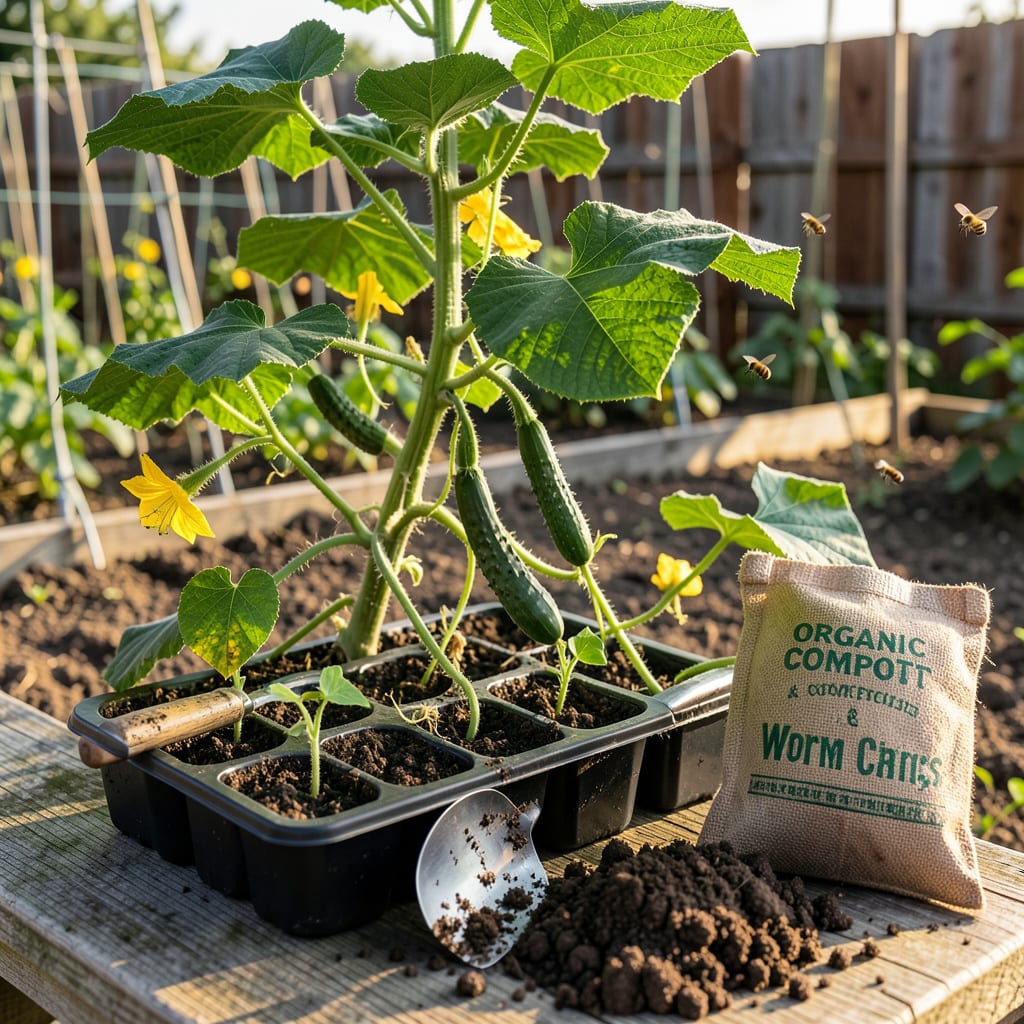
Timing your cucumber planting in Kentucky can mean the difference between a bountiful harvest and a disappointing yield. Plant too early, and late frosts might wipe out your seedlings. Wait too long, and you’ll miss the prime growing window for those crisp, homegrown 🥒.
I’ve tested the best planting strategies for KY’s Zones 6b-7a, and the sweet spot is clearer than you think. Whether you’re in Louisville or Lexington, I’ll show you exactly when to get those seeds in the ground—and how to keep them thriving through Kentucky’s unpredictable springs.
If you’re eager to grow crisp, homegrown cucumbers in Kentucky, timing is everything. Kentucky spans USDA Zones 5b to 7a, meaning your planting window shifts slightly depending on where you live. The key is waiting until soil temps hit 60°F—plant too early, and frost will wipe out your seedlings.
In western KY (Zone 7a), you can start 2-3 weeks earlier than in the eastern mountains (Zone 5b). Louisville gardeners often plant by mid-April, while those in Pikeville should wait until early May. Always check your local last frost date for precision.
| USDA Zone | Direct Sow Dates | Transplant Dates | Last Frost Date | First Frost Date |
|---|---|---|---|---|
| Zone 5b (Eastern KY) | May 1 – June 15 | May 15 – June 1 | April 20 | October 10 |
| Zone 6a-6b (Central KY) | April 15 – May 30 | April 25 – May 15 | April 15 | October 15 |
| Zone 7a (Western KY) | April 1 – May 15 | April 10 – May 1 | April 5 | October 25 |
💡 Pro Tip: Use a soil thermometer to confirm temps. Black plastic mulch can warm soil 5-10°F faster for earlier planting.
For fall cucumbers, start seeds in late June to early July for a second harvest before frost. In Zone 7a, you might squeeze in a third planting by mid-July, but Zone 5b gardeners should stick to one succession to avoid frost risk.
If you’re growing vining varieties like ‘Straight Eight’, give them 4-6 feet of space or a trellis. Bush types like ‘Bush Champion’ need just 2-3 feet. Remember, cucumbers hate cold roots—use mulch or row covers if nights dip below 50°F.
Kentucky’s humid summers mean you’ll need to watch for powdery mildew. Space plants 3 feet apart for airflow, and water at the base in mornings to keep foliage dry. Drip irrigation works best here!
For early harvests, start seeds indoors 3-4 weeks before your last frost. Use peat pots to avoid root shock when transplanting. Harden off seedlings by exposing them to outdoor conditions for a week before planting.
If you’re in urban areas like Louisville or Lexington, watch for “heat islands” that can dry soil faster. Container gardeners should choose 5-gallon pots minimum and water daily in summer. Add compost for moisture retention.
For organic growers, work in 1-2 inches of compost before planting. Side-dress with fish emulsion every 3 weeks once vines start running. Avoid high-nitrogen fertilizers—they’ll give you lots of leaves but few cucumbers!
Finally, keep an eye on the 10-day forecast before planting. If a late frost threatens, cover seedlings with frost cloth or buckets. Kentucky weather can be unpredictable, but with these timings, you’ll be harvesting crunchy cucumbers by early summer! 🌱
Even experienced gardeners can sabotage their Kentucky cucumber crop with simple oversights. I’ve seen firsthand how these three mistakes can slash yields—or wipe out plants entirely. The good news? They’re all preventable with a little foresight.
First, planting in cold soil is the fastest way to lose seedlings. Cucumbers need soil temps above 60°F to germinate. In KY’s unpredictable springs, I always use a soil thermometer to check—don’t guess! Black plastic mulch can help warm the soil faster.
💡 Quick Fix: Use radish companion plants to deter cucumber beetles and improve soil aeration.
Another big mistake is skipping soil prep. Cucumbers are heavy feeders—they need rich, well-draining soil. I mix in 2–3 inches of compost and a balanced fertilizer (like 10-10-10) before planting. Sandy soil? Add peat moss to retain moisture.
Many KY gardeners also underestimate watering needs. Cucumbers are 95% water, so inconsistent moisture leads to bitter fruit. I water deeply 2–3 times per week, more in July’s heat. Drip irrigation is ideal—it keeps leaves dry, reducing disease risk.
Finally, don’t forget pest prevention. Cucumber beetles and squash bugs love KY gardens. I plant ‘Straight Eight’ or ‘Marketmore’ varieties—they’re more pest-resistant. Row covers work early in the season, but remove them when flowers appear for pollination.
If you’re growing in containers, choose 5-gallon pots minimum and use a trellis for vining types. Urban gardeners in Louisville or Lexington should watch for heat stress—provide afternoon shade if temps exceed 90°F.
By avoiding these pitfalls, you’ll set your cucumbers up for success. Trust me—your summer salads will thank you! 🌱
Want fresh cucumbers all summer long? In Kentucky, succession planting is your secret weapon. Instead of one big harvest, I stagger plantings every 2-3 weeks to keep my cucumber supply steady from June through September.
The key is timing your plantings around Kentucky’s growing zones and heat patterns. In Zone 7a (western KY), I start my first batch in early April under row covers, then plant again in late May and early July. Eastern KY gardeners should shift these dates 2-3 weeks later.
First Planting: 2 weeks after last frost (early May for most of KY) – Use fast-maturing varieties like ‘Bush Champion’ (50 days).
Second Planting: Late May to early June – Try heat-tolerant ‘Straight Eight’ or ‘Marketmore 76’.
Third Planting: Early July – Opt for disease-resistant ‘Lemon Cucumber’ or ‘Diva’ for late-season harvests.
⚠️ Warning: Avoid planting after July 15 in Zone 6b—frost may arrive before harvest!
For container gardeners, succession planting works too! Use 5-gallon pots and refresh the soil between plantings. I like to add 1 inch of compost to replenish nutrients. Remember, containers dry out faster—check moisture daily in summer.
To prevent pest buildup, rotate planting locations if possible. Cucumber beetles and squash bugs love to overwinter in garden debris. I clean up old vines immediately after harvest and rotate to a new spot the next year. Companion plants like radishes or marigolds can help deter pests naturally.
For trellised cucumbers, succession planting lets you reuse vertical space efficiently. Remove old vines once production slows, then plant your next batch at the base. This method saves space and reduces disease risk by improving airflow. In my KY garden, I’ve gotten three full harvests from a single 4×8-foot trellis using this approach!
Watch the 10-day forecast before each planting. If a heatwave is coming, delay planting or provide temporary shade. Kentucky’s summers can be brutal—young cucumber plants wilt fast in 90°F+ temps. A light shade cloth can make all the difference during heat spikes.
With this schedule, you’ll enjoy nonstop cucumbers from early summer until frost. My family can’t get enough of our homegrown slices—crisp, sweet, and never bitter when harvested at the right time! 🌿
No, cucumbers are frost-sensitive and need soil temps above 60°F. Even a light frost will kill seedlings. Use row covers or black plastic mulch to warm soil faster, but wait until after your zone’s last frost date.
In western KY (Zone 7a), this is around April 5, while eastern KY (Zone 5b) should wait until April 20.
Heat-tolerant varieties like ‘Straight Eight’ and ‘Marketmore 76’ thrive in KY’s humidity. For containers, try compact ‘Bush Champion’ or ‘Spacemaster’.
Disease-resistant ‘Diva’ is another great choice for late-season plantings. Always check the seed packet for 50-60 day maturity varieties.
In peak summer, water deeply every 2-3 days (daily during heatwaves). Cucumbers need 1-2 inches per week, including rainfall. Morning watering prevents fungal diseases.
Use drip irrigation or soaker hoses to keep leaves dry. Mulch helps retain moisture in KY’s clay-heavy soils.
Yes! Plant a second crop in early July for a fall harvest. Choose fast-maturing varieties like ‘Lemon Cucumber’ (55 days). Zone 7a gardeners can sometimes squeeze in a third planting by mid-July.
Stop planting by July 15 in Zone 6b to avoid frost damage. Succession planting extends your harvest season!
Planting too early in cold soil is the #1 error. Cucumber seeds rot below 60°F. Always use a soil thermometer and wait until after your last frost date.
Other common mistakes: overcrowding (space vines 3-4 feet apart) and inconsistent watering, which causes bitter fruit.
