
Beautiful Plants For Your Interior
Beautiful Plants For Your Interior
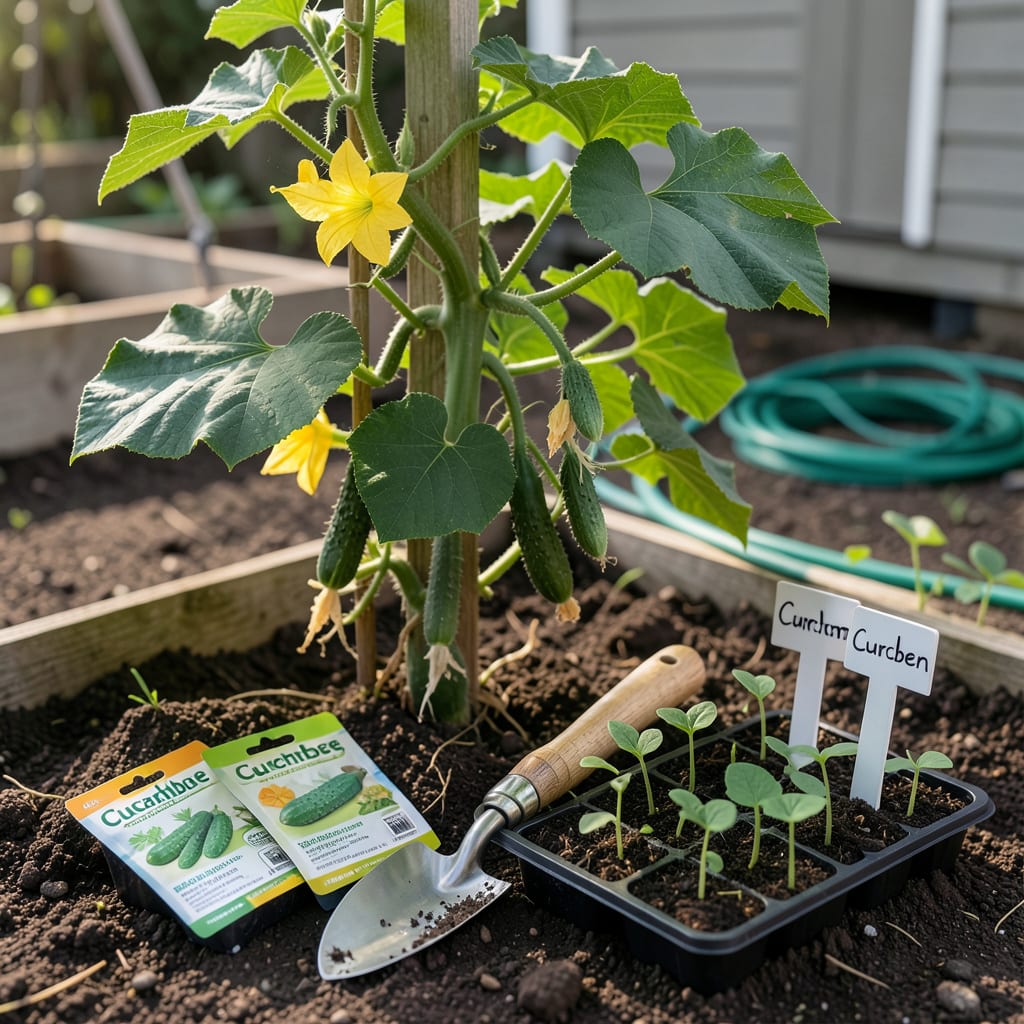
Timing your 🥒 cucumber planting in Kentucky can mean the difference between a bumper crop and a garden disappointment. Plant too early, and a late frost might ruin your seedlings; wait too long, and you’ll miss the sweet spot for growth.
After years of testing and tweaking, I’ve nailed down the ideal window for Kentucky’s zones 6b-7a. Whether you’re in Louisville or the Appalachian foothills, I’ll show you exactly when to get those seeds in the ground—and how to stretch your harvest into fall.
If you’ve ever wondered when to plant cucumbers in Kentucky, timing is your secret weapon. Kentucky’s climate varies from the warmer western plains to the cooler eastern mountains, meaning frost dates can shift by weeks. Plant too early, and a late frost could ruin your crop. Wait too long, and you’ll miss the sweet spot for a summer harvest.
I always check the last spring frost date for my area—typically April 1 to May 1 across the state. But here’s the kicker: soil temperature matters more than air temperature. Cucumbers thrive when soil hits 60°F or warmer. Use a soil thermometer or wait until after Tax Day (April 15) for safer planting.
| Region | Last Frost Date | Planting Window | Soil Temp Cue |
|---|---|---|---|
| Western KY (Zones 6b-7a) | April 1 – April 10 | April 15 – May 10 | 60°F+ (use black plastic mulch) |
| Central KY (Zone 6b) | April 10 – April 20 | April 25 – May 15 | 60°F+ (check 2″ soil depth) |
| Eastern KY (Zone 6a) | April 20 – May 1 | May 1 – May 20 | 60°F+ (raised beds warm faster) |
Tip: For fall cucumbers, plant 12-14 weeks before first frost (late July to early August).
In Western Kentucky, where winters are milder, I’ve successfully planted as early as mid-April using row covers for protection. But in the eastern mountains, I’d wait until early May to avoid late frosts. Urban areas like Louisville or Lexington often warm up faster than rural spots, so adjust accordingly.
For direct sowing seeds, aim for soil temps of 65–70°F for fastest germination. If you’re transplanting seedlings, harden them off for a week first. I like to start seeds indoors 3–4 weeks before transplanting—around late March for most of Kentucky. Use biodegradable pots to minimize root shock.
Watch out for late spring rains, which can delay planting. If your soil is soggy, wait a few days to avoid root rot. A quick test: Squeeze a handful of soil—if it crumbles instead of forming a muddy ball, it’s ready. I’ve found raised beds drain faster and warm up sooner than in-ground plots.
For early varieties like ‘Straight Eight’ or ‘Bush Champion,’ you can plant on the earlier side. But late-season varieties such as ‘Lemon Cucumber’ need extra warmth, so I’d wait until late May. If you’re growing vining cucumbers, install trellises at planting to save space and improve air circulation.
Don’t forget about succession planting! For a continuous harvest, I plant a new batch every 2–3 weeks until early July. This works especially well in Kentucky’s long growing season (180+ frost-free days). Just be sure to stop planting by mid-July for fall crops—later plantings may not mature before frost.
If you’re eager to get a jumpstart, try warming your soil with black plastic mulch or a cloche. I’ve seen soil temps rise by 5–10°F with these methods, allowing me to plant 1–2 weeks earlier. Just remove covers once daytime temps hit 80°F to prevent overheating.
Finally, keep an eye on the 10-day forecast before planting. If nighttime temps are still dipping below 50°F, hold off. Cucumbers hate cold feet! Once planted, mulch with straw to retain moisture and warmth. With the right timing, you’ll be harvesting crisp cucumbers by early July.
Kentucky’s 180+ frost-free days give us plenty of time for cucumbers, but why stop there? With a few clever tricks, I’ve stretched my harvest from early June to late September. The key is working with Kentucky’s humid summers and mild falls—not against them.
One of my favorite methods is using row covers in early spring. These lightweight fabrics trap heat, letting me plant 2–3 weeks earlier than normal. Just
Warning: Avoid late plantings after July 15—they may not mature before frost.
For a continuous harvest, I plant succession crops every 14–21 days. Start with early varieties like ‘Bush Champion’ in late April, then follow with mid-season types like ‘Marketmore 76’ in May. My last planting is always ‘Northern Pickling’ in early July for a fall crop.
Don’t overlook vertical growing—it’s a game-changer in Kentucky’s humid summers. Trellised cucumbers get better air circulation, reducing disease risk. I use cattle panels or netting for support. Bush varieties work well in containers if space is tight, but they’ll need daily watering in summer heat.
To push into fall, I plant cold-tolerant varieties like ‘Cool Breeze’ or ‘Picolino’ in late July. These handle cooler nights better than standard types. Use row covers again in September to shield plants from early frosts. I’ve harvested cucumbers as late as October 10 using this method!
Watch out for powdery mildew in late summer—Kentucky’s humidity loves this fungus. Space plants 3–4 feet apart for airflow, and water at the base (never overhead). A baking soda spray (1 tsp per quart of water) can help prevent issues. If leaves yellow, it’s often a nutrient deficiency—side-dress with compost.
Finally, mulch is your friend. A thick layer of straw or grass clippings keeps soil moist and cool in summer, then insulates roots in fall. I’ve found this extends production by 2–3 weeks in both directions. With these tricks, you’ll be picking cucumbers when others are pulling up their vines!
🥒Even experienced Kentucky gardeners can mess up cucumber timing. The biggest error I see? Ignoring microclimates. Your Louisville backyard might be 5°F warmer than a rural valley, meaning you could plant 1–2 weeks earlier in the city. Always check your specific frost dates—don’t rely on state averages.
Another classic mistake is planting in cold soil. Cucumbers need 60°F+ soil temps to thrive. I’ve seen gardeners rush to plant after the last frost date, only to have seeds rot in 50°F soil. Use a soil thermometer—it’s the only way to know for sure. If your soil’s too cold, try black plastic mulch to warm it up faster.
Fix It: Use row covers for early plantings or choose fast-maturing varieties like ‘Bush Champion’ if you’re late.
Many Kentucky gardeners also misjudge fall planting. They assume the long growing season means they can plant cucumbers in August—but most varieties need 50–70 days to mature. I stop planting by July 15 to ensure a harvest before frost. For fall crops, stick to fast growers like ‘Northern Pickling’ or ‘Picolino’.
⏰Don’t overlook succession planting pitfalls either. Planting new seeds every 2 weeks sounds great, but if you start too late, your last batch won’t mature. I limit succession plantings to 3 rounds max (late April, mid-May, early June). Later plantings often struggle with powdery mildew in Kentucky’s humid August weather.
🌿Finally, watch out for overcrowding. Cramming plants too close limits airflow, inviting disease. I space vining cucumbers 3–4 feet apart and bush types 2 feet apart. If space is tight, use trellises—vertical growing boosts yield and reduces disease risk. And always rotate crops yearly to prevent soil-borne issues.
✂️For Western KY (Zones 6b-7a), aim for April 15–May 10 after the last frost. Urban areas like Paducah often warm faster, so you might plant as early as April 10 with row covers. Always check soil temp—it should be 60°F+ at 2″ depth.
Use succession planting every 2–3 weeks until early July. Start with early varieties like ‘Straight Eight,’ then plant ‘Northern Pickling’ in late July for a fall crop. Just stop by July 15 to ensure maturity before frost.
Kentucky’s spring storms can rot seeds or stunt seedlings. Plant in raised beds for better drainage, or use black plastic mulch to warm soil faster. If heavy rain is forecast, cover seedlings with a cloche until it passes. Wait for soil to crumble (not clump) before planting.
Plant by July 15 to beat the first frost (around October 15). Choose fast-maturing varieties like ‘Picolino’ (50 days) and use row covers in September. In warmer areas (Zone 7a), you might push to July 20, but risk frost damage.
Slow growth usually means cool soil (below 60°F) or overcrowding. Space vining types 3–4 feet apart and bush types 2 feet apart. If nights dip below 50°F, use a floating row cover to retain warmth. Test soil temp with a thermometer—don’t guess!
