
Beautiful Plants For Your Interior
Beautiful Plants For Your Interior
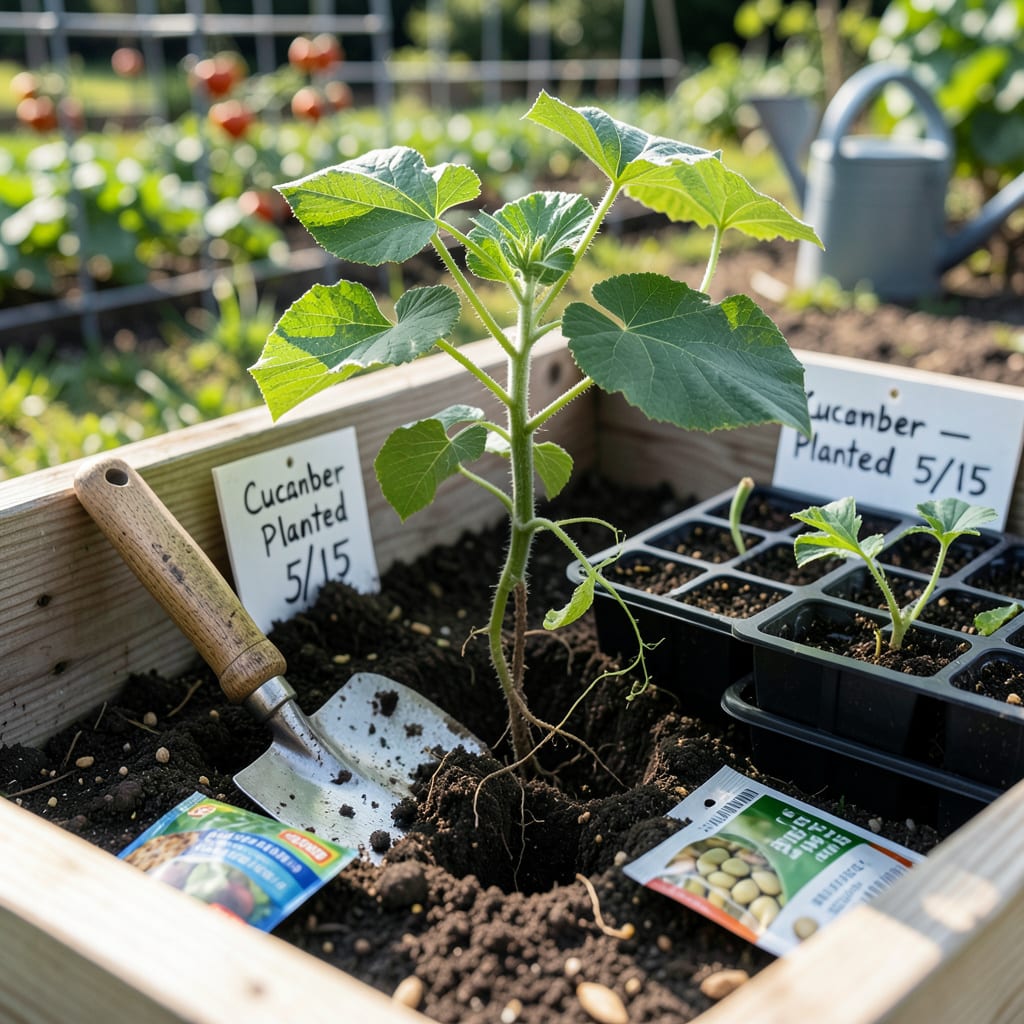
Timing your cucumber planting in Kansas can mean the difference between a bountiful harvest and a disappointing season. Plant too early, and a late frost might ruin your crop; wait too long, and you’ll miss the perfect window for growth.
With Kansas’ unpredictable springs and hot summers, knowing exactly when to get those seeds in the ground is key. I’ll break down the ideal planting windows—whether you’re in the eastern hills or the western plains—so you can grow crisp, flavorful 🥒 cucumbers all season long.
Kansas spans three distinct climate zones, and your cucumber planting timing depends on where you live. In eastern Kansas, with its milder springs and higher humidity, you can plant slightly earlier than in the western plains, where late frosts linger.
The magic number for cucumbers is 60°F soil temperature—anything cooler stunts growth. I always check with a soil thermometer before planting. Kansas’ last frost date ranges from early April in the south to mid-May in the northwest, so adjust accordingly.
| Region | Spring Planting | Fall Planting | Notes |
|---|---|---|---|
| Eastern KS | April 15 – May 1 | July 15 – Aug 1 | Humid—watch for powdery mildew |
| Central KS | April 25 – May 10 | July 10 – July 25 | Wind protection recommended |
| Western KS | May 1 – May 15 | July 1 – July 15 | Drought risk—mulch heavily |
For spring planting, aim for 2-3 weeks after your last frost. In Wichita (central Kansas), that’s typically late April. In Kansas City, you can push it to mid-April. I’ve found that black plastic mulch warms soil faster for earlier planting.
Fall cucumbers need 90-100 days to mature before first frost. In western Kansas, plant by mid-July to beat early October frosts. Eastern gardeners can squeeze in a late August planting if using fast-maturing varieties like ‘Bush Champion’.
Soil prep matters! Kansas’ clay-heavy soils benefit from compost mixed in to improve drainage. I add aged manure a month before planting to boost fertility. A pH of 6.0-6.8 is ideal—test your soil if you’re unsure.
Watch the 10-day forecast before planting. If nights dip below 50°F, hold off or use row covers. Cucumbers hate cold—even a light frost will kill them. In my garden, I’ve lost plants to late April cold snaps, so I now wait until soil hits 65°F.
For urban gardens (like in Topeka or Overland Park), microclimates can be 5-10°F warmer than rural areas. Take advantage by planting 1-2 weeks earlier. Container growers should use large pots (5+ gallons) and monitor moisture daily.
Remember: succession planting works well in Kansas. I sow a new batch every 3 weeks until mid-July for continuous harvests. This prevents the “all-at-once” glut that leaves you drowning in cucumbers (or giving them away!).
If you’re in drought-prone western Kansas, choose varieties like ‘Straight Eight’ or ‘Marketmore 76’—they handle heat better. Eastern gardeners should prioritize disease-resistant types like ‘Diva’ to combat humidity-related fungi.
Getting the timing right is just the start—Kansas gardeners need smart strategies to keep cucumbers producing through unpredictable weather. I’ve learned the hard way that a few simple tricks can double your harvest season. Here’s how to outsmart late frosts and summer heat.
First, protect young plants with row covers or cloches if nighttime temps dip below 50°F. This adds 2-3 weeks to your growing season by trapping heat. In eastern Kansas, humidity under covers can cause mildew, so ventilate on warm days.
For fall cucumbers, start seeds indoors in late June, then transplant in July. I use biodegradable pots to avoid root shock. In western Kansas, shade cloth helps seedlings survive 100°F+ temps during establishment.
Avoid the #1 mistake Kansas gardeners make: overwatering in clay soil. Cucumbers need 1-2 inches weekly, but soggy roots cause rot. Stick your finger 2 inches deep—if it’s dry, water. Mulch with straw to retain moisture.
In urban areas like Kansas City, reflect heat with white mulch or light-colored containers. This prevents soil temps from exceeding 90°F, which stresses roots. I’ve had great success with grow bags on patios—they drain well and warm quickly.
Finally, harvest daily once production starts. Leaving overripe cucumbers on the vine signals the plant to stop producing. Use sharp pruners to avoid damaging vines. A single healthy plant can yield 10-15 pounds of cucumbers in a season!
Remember: Kansas weather is unpredictable, but these tips help you adapt on the fly. Keep a garden journal to track what works in your microclimate—next year’s harvest will thank you! 🌱
Not all cucumbers thrive equally in Kansas’ diverse climate. The right variety can mean the difference between a bountiful harvest and a struggle against heat, drought, or humidity. I’ve tested dozens over the years and found clear winners for each region.
In eastern Kansas, where humidity fuels fungal diseases, disease-resistant varieties like ‘Diva’ and ‘Sweet Success’ shine. These burpless types also handle the region’s milder summers beautifully. For pickling, ‘Boston Pickling’ resists the mildew that plagues other varieties.
| Variety | Best For | Days to Harvest | Planting Window | Key Traits |
|---|---|---|---|---|
| Diva | Eastern KS | 58 days | Apr 15 – May 15 | Disease-resistant, burpless, sweet |
| Straight Eight | Western KS | 65 days | May 1 – May 20 | Heat-tolerant, drought-resistant |
| Bush Champion | Containers/Urban | 55 days | Apr 20 – June 1 | Compact, early producer, great for pots |
| Marketmore 76 | Central KS | 68 days | Apr 25 – May 10 | Reliable, disease-resistant, classic slicer |
For western Kansas, where drought and heat dominate, ‘Straight Eight’ and ‘Marketmore 76’ are my top picks. These heirloom varieties handle 100°F+ temps without bitterness. Plant them 1-2 weeks later than eastern varieties to avoid late frosts.
Container gardeners should choose ‘Bush Champion’ or ‘Spacemaster’—both stay compact and produce heavily in 5-gallon pots. I’ve grown ‘Bush Champion’ on my Kansas City patio with great success. Just ensure containers have drainage holes and use a trellis to save space.
For fall planting, fast-maturing varieties like ‘Sweet Success’ (50 days) or ‘Calypso’ (55 days) are ideal. Start seeds indoors in late June, then transplant by mid-July. In western Kansas, use shade cloth to protect seedlings from intense afternoon sun during establishment.
Pro tip: Save seeds from your best-performing plants each year. Over time, you’ll develop a locally adapted strain that thrives in your specific microclimate. I’ve had ‘Marketmore 76’ plants in my garden for five years—each generation gets tougher! 🌱
Mid-April is typically safe for eastern Kansas, but always wait until soil reaches 60°F. I check with a thermometer—cold soil stunts growth. Kansas City gardeners can often plant 1-2 weeks earlier than rural areas due to urban heat islands.
Choose compact varieties like ‘Bush Champion’ and use 5+ gallon pots with drainage. In hot summers, place containers where they get afternoon shade. Water daily—potted cucumbers dry out faster than ground plants.
Use row covers or cloches when nights dip below 50°F. I keep old blankets handy for emergency coverage. In western Kansas, wait until May 1 to plant—late frosts are more common there.
Consistent watering is key—aim for 1-2 inches weekly. Mulch heavily to retain moisture. In western Kansas, shade cloth during peak afternoon heat prevents stress. Harvest frequently—overripe cucumbers turn bitter fast.
Yes, but timing is critical! Plant by mid-July in western Kansas or early August in the east. Choose fast-maturing varieties like ‘Sweet Success’ (50 days). Use row covers to extend the season if early frosts threaten.
