
Beautiful Plants For Your Interior
Beautiful Plants For Your Interior
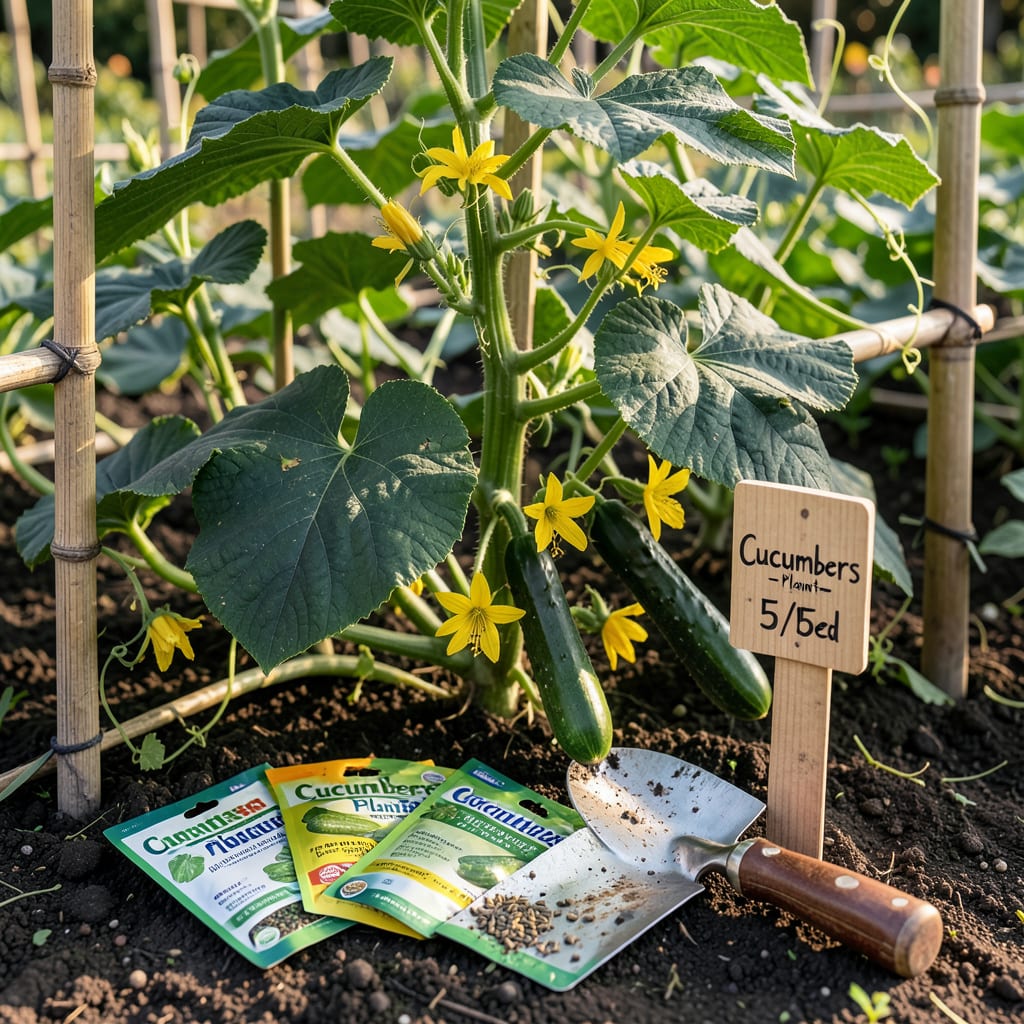
Timing can make or break your 🥒 cucumber harvest in Indiana. Plant too soon, and a late frost could wipe out your seedlings. Wait too long, and you’ll miss the window for those crisp, homegrown cucumbers you’ve been dreaming about all winter.
After years of testing and tweaking, I’ve nailed down the perfect planting schedule for Indiana’s unpredictable springs. Whether you’re in South Bend or Evansville, I’ll show you exactly when to get those seeds in the ground—and how to protect them for a bigger, healthier harvest. Let’s get started.
If you want to enjoy fresh 🥒 cucumbers all summer long, you’ll need more than just perfect planting timing. Indiana’s growing season can be short, especially in the northern regions. That’s why I rely on these three proven strategies to stretch my harvest from early July through September.
First, consider succession planting. Instead of sowing all your seeds at once, stagger plantings every 2-3 weeks until mid-July. This ensures a steady supply of cucumbers rather than a single overwhelming glut. It’s a game-changer for keeping your kitchen stocked without waste.
Row covers are my secret weapon for early-season planting. They act like a mini greenhouse, trapping heat and shielding young plants from unexpected cold snaps. Just
For Indiana gardeners, selecting the right cucumber variety can make all the difference. I recommend ‘Marketmore 76’ for its disease resistance—critical in our humid summers. If space is tight, ‘Bush Champion’ thrives in containers and small gardens while still delivering heavy yields.
Don’t overlook vertical gardening. Training cucumbers up a trellis saves space and reduces pest problems. Plus, it keeps fruits off the ground, preventing rot and misshapen cucumbers. I use a simple A-frame trellis made from bamboo stakes—inexpensive and effective.
Finally, keep your plants productive with regular feeding. Once flowers appear, switch to a low-nitrogen fertilizer (like 5-10-10) to encourage fruiting over leafy growth. Water deeply at the base—avoid wetting leaves to prevent mildew, a common issue in Indiana’s humid climate.
With these tips, you’ll be picking crisp cucumbers well into fall. The key is staying proactive—Indiana weather doesn’t always cooperate, but a little planning goes a long way. Happy growing! 🌿
Even experienced gardeners can stumble when growing 🥒 cucumbers in Indiana. The most common mistake I see? Planting too early in cold soil. Cucumbers thrive when soil temps hit 60°F or higher—anything colder stunts growth or causes seeds to rot. Always check with a soil thermometer before planting.
Another frequent issue is ignoring soil pH. Indiana’s clay-heavy soil often leans acidic, but cucumbers prefer a pH of 6.0–6.8. A simple soil test kit from your local extension office can save you headaches later. Amend with lime if needed—it’s a small step with big payoffs.
Overcrowding plants is another silent yield-killer. I’ve seen gardeners pack seedlings too close, thinking more plants mean more cucumbers. Wrong! Crowded vines compete for nutrients and sunlight, leading to smaller, bitter fruits. Stick to 3–5 feet between plants—they’ll thank you with bigger harvests.
Don’t forget about pest vigilance. Indiana’s humid summers are perfect for cucumber beetles and squash bugs. I inspect my plants daily in June and July, hand-picking pests early. For severe infestations, neem oil or floating row covers work wonders—just apply in the evening to avoid harming bees.
Finally, inconsistent watering causes bitter, misshapen cucumbers. Aim for 1–2 inches of water per week, delivered in deep morning soakings. A drip irrigation system on a timer takes the guesswork out of it. With these fixes, you’ll sidestep the pitfalls and grow your best cucumbers yet! ✂️
Cucumbers need soil that’s at least 60°F to thrive. In Indiana, this typically happens 2-3 weeks after the last frost—usually mid-to-late May. Use a soil thermometer to check, as cold soil can cause seeds to rot or seedlings to stunt.
Start seeds indoors 3-4 weeks before your last frost date. Use biodegradable pots to avoid disturbing roots during transplanting. Just be sure to harden off seedlings for 7-10 days before moving them outside.
For a fall harvest, plant seeds no later than early July in most of Indiana. Choose fast-maturing varieties like ‘Bush Champion’ (55 days) to ensure fruits ripen before the first frost. Late plantings may need row covers for extra warmth.
The most common error is planting too early in cold, wet soil. This leads to poor germination or weak plants. Always wait until soil temps hit 60°F and the danger of frost has passed. Patience pays off with healthier vines!
Container-grown cucumbers can be planted 1-2 weeks earlier than in-ground plants because soil warms faster in pots. Use large containers (5+ gallons) and ensure proper drainage. Dwarf varieties like ‘Bush Champion’ work best for containers.
