
Beautiful Plants For Your Interior
Beautiful Plants For Your Interior
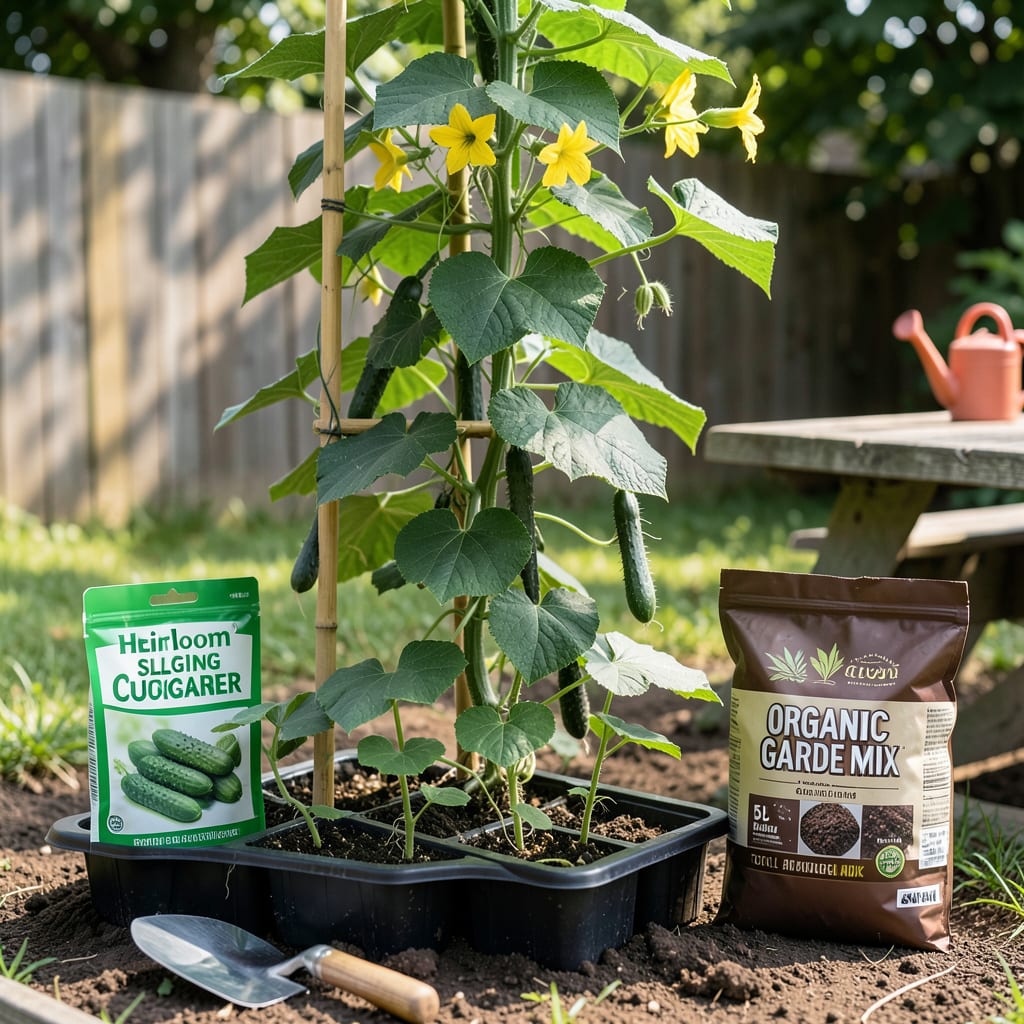
Timing your cucumber planting in Illinois can mean the difference between a bountiful harvest and a disappointing flop. Those crisp, homegrown 🥒 depend entirely on when you put seeds in the ground—or when you don’t.
Plant too early, and a sneaky late frost will wipe out your seedlings. Wait too long, and you’ll miss the peak of Illinois’ short but sweet growing season. I’ll show you exactly when to plant for juicy cucumbers all summer—no guesswork required.
If you’ve ever wondered why your neighbor’s cucumbers thrive while yours struggle, the secret often lies in perfect timing. Illinois spans USDA Zones 5b-6a, meaning frost dates vary dramatically from Chicago to Carbondale. Plant too early, and a late frost will zap your seedlings. Wait too long, and you’ll harvest in the scorching August heat.
I’ve found that soil temperature—not just air temperature—is the real game-changer. Cucumbers need soil at least 60°F to germinate. In cooler northern Illinois, that might mean waiting until late May, while southern gardeners can start in early May. Urban areas with heat-island effects may warm up even earlier.
| Region | Last Frost Date | Direct Sow | Transplant | Harvest Window |
|---|---|---|---|---|
| Northern IL (Zone 5b) | May 1–10 | May 15–June 1 | June 1–15 | July 15–Sept 15 |
| Central IL (Zone 6a) | April 15–25 | May 1–15 | April 25–May 10 | July 1–Sept 30 |
| Southern IL (Zone 6a-7a) | April 1–10 | April 15–May 1 | April 10–25 | June 15–Oct 1 |
Pro Tip: Use a soil thermometer to confirm temps. Urban gardeners can plant 1–2 weeks earlier due to heat retention from pavement.
For early varieties like ‘Bush Champion’ (55 days), you can push the envelope by a week. But late-season varieties like ‘Lemon Cucumber’ (75 days) need that full warm season. I always mark my calendar for two planting windows: one in late spring and a second in early July for a fall crop in southern Illinois.
Don’t forget microclimates! A south-facing slope or urban backyard can be 5–10°F warmer than rural fields. If you’re in Chicago, watch the lake effect—cooler springs mean waiting until Memorial Day weekend for direct sowing. Rural areas might get a slight head start.
I’ve had the best luck with black plastic mulch in northern Illinois. It warms the soil 2–3 weeks faster than bare ground. Lay it down 2–3 weeks before planting, and you’ll be harvesting while neighbors are still waiting for flowers. In southern Illinois, straw mulch works better to retain moisture in the summer heat.
If you’re transplanting seedlings, start them indoors 3–4 weeks before your last frost date. Use peat pots to avoid root shock. Harden off plants for 7–10 days before moving them outside—this step is non-negotiable in Illinois’ unpredictable springs!
Watch the 10-day forecast like a hawk. If nighttime temps dip below 50°F after planting, cover seedlings with floating row covers. I keep mine handy until mid-June in northern Illinois. Southern gardeners can usually skip this by late May, but late frosts happen—ask anyone who gardened in 2022!
For fall cucumbers, count backward from your first frost date. In central Illinois, that’s around October 15. Plant 70–80 days before (early August) for a second harvest. Southern Illinois can squeeze in a late August planting. Northern gardeners should stick to one crop—fall cucumbers rarely mature in time.
Remember, consistent moisture is key once plants are in the ground. Illinois summers can swing from drought to downpour. I set up drip irrigation on a timer—1 inch of water per week, more if it’s over 90°F. Mulch heavily to keep soil evenly moist and prevent bitter fruit.
Finally, pair your cucumbers with companion plants like beans (fixes nitrogen) or marigolds (repels pests). Avoid planting near aromatic herbs like sage—they can stunt cucumber growth. With the right timing and care, you’ll be swimming in crisp cucumbers all summer long! 🌱
Even with perfect timing, Illinois gardeners can still sabotage their cucumber crop with a few common blunders. I’ve seen healthy seedlings wilt overnight and promising vines produce bitter fruit—all because of avoidable mistakes. Let’s fix that before you plant your first seed.
The biggest error? Ignoring soil temperature. Many gardeners focus on air temps, but cucumbers need soil at least 60°F to thrive. In northern Illinois, I’ve measured soil temps 10°F cooler than the air in early May. A simple soil thermometer saves heartache—and seeds!
⚠️ Cucumber Killer #1: Cold Soil
Planting in chilly soil (below 60°F) causes seeds to rot or seedlings to stunt. In Illinois, this often happens when gardeners follow air temperature instead of checking soil temps.
Fix it: Use black plastic mulch 2–3 weeks before planting to warm soil faster. Or try raised beds, which warm up quicker than ground soil.
Another cucumber catastrophe? Overcrowding vines. I get it—those little seedlings look tiny in a big garden. But cucumber plants need 3–5 feet of space for vining types (or 2 feet for bush varieties). Cramped plants compete for nutrients, leading to smaller, bitter fruit and powdery mildew.
Misjudging frost risk is the third big mistake. Illinois weather is notoriously unpredictable. I’ve lost count of how many times I’ve seen gardeners plant after the average last frost date, only to get hit by a late freeze. In 2021, northern Illinois had frost as late as May 20—two weeks after the “safe” date!
Here’s how to dodge these disasters: For soil warmth, lay black plastic mulch in early April (remove it once plants are established to prevent overheating). For spacing, use a trellis system to grow vines vertically—saving space while improving air circulation. And always keep floating row covers handy until nighttime temps stay above 50°F.
One more pro tip: Avoid overhead watering in Illinois’ humid summers. Wet leaves + high humidity = powdery mildew central. I switched to drip irrigation three years ago and cut my fungicide use by 80%. Your cucumbers (and your lungs) will thank you. 💧
Not all cucumbers grow at the same pace, and in Illinois’ short but intense growing season, choosing the right variety can make or break your harvest. I’ve tested dozens of types over the years, and the difference between a 55-day and a 70-day cucumber is huge when frost looms in October.
For northern Illinois gardeners (Zone 5b), fast-maturing varieties like ‘Bush Champion’ (55 days) or ‘Northern Pickling’ (53 days) are lifesavers. These cold-tolerant picks can handle those chilly spring nights and still produce before summer’s end. In southern Illinois (Zone 6a-7a), you’ve got more wiggle room for slower growers like ‘Straight Eight’ (65 days) or ‘Lemon Cucumber’ (75 days), which thrive in the longer, hotter season.
| Variety | Days to Maturity | Best For | Disease Resistance | Ideal Region |
|---|---|---|---|---|
| Bush Champion | 55 days | Containers, small gardens | Powdery mildew | Statewide |
| Northern Pickling | 53 days | Pickling, cool climates | Cucumber mosaic virus | Northern IL |
| Straight Eight | 65 days | Slicing, classic flavor | Moderate | Central/Southern IL |
| Lemon Cucumber | 75 days | Unique flavor, heat tolerant | Downy mildew | Southern IL |
| Marketmore 76 | 70 days | Disease-resistant slicer | High (multiple diseases) | Statewide |
Pro Tip: For urban gardens, try ‘Spacemaster’ (60 days), a compact vining variety perfect for trellises or containers. It’s my go-to for Chicago balconies!
If you’re dealing with Illinois’ humid summers, prioritize disease-resistant varieties like ‘Marketmore 76’ or ‘Diva’ (58 days). These handle powdery mildew and downy mildew far better than heirlooms. I learned this the hard way after losing an entire crop to mildew in 2019—now I plant ‘Diva’ every year for its built-in resistance.
For container gardeners in cities like Chicago or Springfield, bush varieties are your best bet. ‘Bush Champion’ and ‘Salad Bush’ (57 days) stay compact but still pump out fruit. Use a 5-gallon container per plant, and don’t skip the trellis—even bush types benefit from vertical support to keep fruit off the ground and reduce rot.
Want to extend your season? Try succession planting. In southern Illinois, I sow a new batch every 3 weeks until mid-July for continuous harvests. Northern gardeners should stick to one or two plantings—your season’s too short for more. And if you’re growing for pickling, ‘Boston Pickling’ (55 days) or ‘Calypso’ (54 days) are foolproof choices that thrive in Illinois’ climate.
No matter which variety you choose, remember that consistent watering and full sun are non-negotiable. Illinois’ clay-heavy soil can be tough on cucumbers, so amending with compost or planting in raised beds gives you the best shot at success. With the right variety and care, you’ll be harvesting crisp, homegrown cucumbers all summer—no grocery store trips required! 🪴
No, cucumbers are frost-sensitive and will die if exposed to freezing temperatures. Wait until all danger of frost has passed—typically May 1-15 in northern Illinois and April 15-30 in southern regions. Use row covers if unexpected cold snaps are forecasted.
Use a soil thermometer to check temperatures at 4-inch depth. Cucumbers need soil consistently above 60°F to germinate properly. In cooler areas, black plastic mulch can speed up warming by 2-3 weeks.
Count backward from your first frost date (around October 15 in central Illinois). Plant 70-80 days before (early August) for a second crop. Southern gardeners can push this to late August, but northern areas should stick to one planting.
Containers warm up faster than ground soil, so you can plant 1-2 weeks earlier. Use 5-gallon pots minimum and ensure proper drainage. Urban heat islands (like Chicago) may allow even earlier planting, but watch for late frosts.
Opt for disease-resistant varieties like ‘Marketmore 76’ or ‘Diva’ (58 days). These handle powdery mildew and downy mildew better than heirlooms. For containers, try ‘Bush Champion’ or ‘Salad Bush’.
