
Beautiful Plants For Your Interior
Beautiful Plants For Your Interior
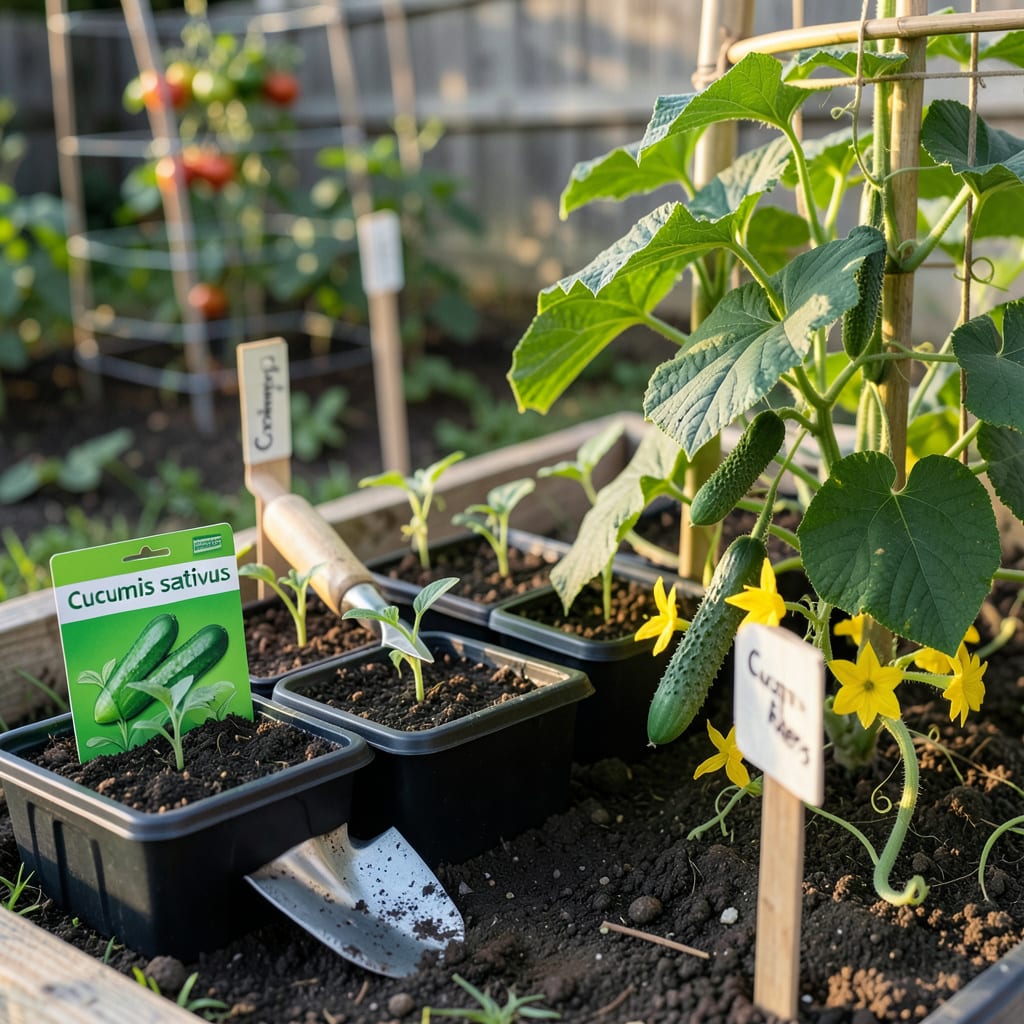
Georgia’s warm climate makes growing 🥒 cucumbers a dream—if you nail the timing. Plant too soon, and late frosts could wipe out your seedlings. Wait too long, and the summer heat might leave you with bitter, stunted fruit.
I’ve tested the perfect window for Georgia gardeners, balancing frost dates, soil temps, and regional quirks. Whether you’re in the Piedmont or Coastal Plain, I’ll show you exactly when to plant for a harvest that keeps giving from July through September.
Georgia’s diverse climate means your cucumber planting window shifts dramatically from the mountains to the coast. In North Georgia (Zones 7a-7b), you’ll need to wait until mid-April to avoid late frosts, while South Georgia gardeners (Zone 9a) can start as early as late March.
The secret? Soil temperature—cucumbers thrive when soil hits 60–70°F. I always use a soil thermometer to check, but you can also watch for dandelions blooming or dogwoods leafing out as natural cues that conditions are right.
| Georgia Region | USDA Zone | Spring Planting | Fall Planting | Last Frost Date |
|---|---|---|---|---|
| North Georgia (Mountains) | 7a-7b | April 15–May 15 | August 1–15 | April 10 |
| Central Georgia (Piedmont) | 7b-8a | April 1–30 | July 15–August 15 | March 25 |
| South Georgia (Coastal Plain) | 8b-9a | March 15–April 15 | July 1–August 1 | March 1 |
💡 Pro Tip: For a longer harvest, plant bush varieties (like ‘Bush Champion’) in early spring and vining types (like ‘Straight Eight’) for summer succession.
If you’re in metro Atlanta or other urban areas, watch for heat islands—concrete and asphalt can raise soil temps 5–10°F earlier than rural spots. I’ve seen Atlanta gardeners plant 2 weeks ahead of surrounding zones with great success.
For fall cucumbers, timing is even trickier. Count backward from your first frost date (around November 15 in most of Georgia) and plant 90–100 days before that. This gives fruits time to mature before cold weather slows growth. I like to use ‘Lemon Cucumber’ for fall—it handles cooler nights better than most.
Coastal Georgia gardeners, your humidity is both a blessing and a curse. While you get a longer growing season, fungal diseases like powdery mildew thrive in moist air. Space plants 3–4 feet apart for airflow, and consider trellising to keep foliage off damp soil.
Not sure which variety to pick? ‘Straight Eight’ and ‘Marketmore 76’ are my top choices for Georgia—they handle heat and humidity while resisting common diseases. For something fun, try ‘Armenian cucumbers’ (technically a melon!), which love the heat and grow 2–3 feet long.
Remember, succession planting is your friend! I sow a new batch every 3 weeks until early July. This staggers harvests so you’re not overwhelmed with cucumbers all at once. Just stop planting by mid-July in most regions—later plantings won’t mature before fall frosts.
One mistake I see often? Planting in cold, wet soil. Even if air temps are warm, cucumber seeds rot in soil below 50°F. Use a black plastic mulch to warm the ground faster, or start seeds indoors 3 weeks early in peat pots for transplanting.
Finally, keep an eye on the 10-day forecast before planting. If nighttime temps will dip below 50°F, hold off or use row covers to protect seedlings. Georgia’s weather can swing wildly in spring—better safe than sorry!
With these timing tricks, you’ll be harvesting crisp, sweet cucumbers all summer. Next up, let’s talk about keeping them productive through Georgia’s infamous July heat waves—because even perfect planting won’t help if your vines fry in the sun! 🌱
Georgia’s long growing season is perfect for multiple cucumber harvests, but you’ll need smart strategies to beat the heat. I’ve found that succession planting every 2–3 weeks until early July keeps my garden productive without overwhelming me with fruit all at once.
The key is choosing heat-tolerant varieties like ‘Straight Eight’ or ‘Lemon Cucumber’ for summer plantings. These handle Georgia’s 90°F+ temps better than most, while ‘Marketmore 76’ resists diseases common in our humid climate.
💡 Pro Tip: For fall cucumbers, plant ‘Armenian’ or ‘Diva’ varieties—they mature faster and tolerate cooler nights better than traditional slicers.
One game-changer I swear by? Afternoon shade during July and August. A simple DIY shade structure (even an old bedsheet on stakes) can drop soil temps by 10°F, keeping plants productive instead of stressed. Just remove it by 10 AM so plants get enough light.
Don’t forget about soil moisture—Georgia’s summer droughts can stunt cucumbers fast. I use soaker hoses on a timer for 1 inch of water weekly, adjusting for rain. Mulch with straw or pine fines to lock in moisture and keep roots cool. Avoid overhead watering in humidity to prevent fungal issues.
For fall cucumbers, timing is everything. In North Georgia, plant by August 1; Central Georgia gardeners get until August 15. Coastal gardeners can push to September 1 if using fast-maturing varieties. Always check your local frost date and count backward 60–70 days for safety.
Watch for pest pressure in extended seasons. Cucumber beetles and squash bugs love Georgia’s warmth. I use yellow sticky traps for beetles and row covers on young plants, removing covers when flowers appear for pollination. For organic control, kaolin clay sprays work wonders against both pests and sunscald.
Finally, don’t let old vines linger past productivity. Once yields drop, pull plants to prevent disease buildup. I follow cucumbers with a quick fall crop like bush beans or lettuce to maximize space. With these tricks, you’ll enjoy fresh cucumbers from July through October—long after most gardens have given up for the year! 🌿
Getting your Georgia soil ready for cucumbers is half the battle. Our state’s clay-heavy or sandy soils often need a boost to grow those crisp, juicy cucumbers we love. I always start by testing my soil’s pH level—aim for 6.0–6.8 for happy cucumber plants.
A simple DIY soil test from your local extension office works great. If your pH is off, amend with lime to raise it or sulfur to lower it. For heavy clay, mix in 3–4 inches of compost and pine bark fines to improve drainage. Sandy soils? Add well-rotted manure to help retain moisture.
Never plant cucumbers in cold, wet soil—even if air temps are warm. Seeds will rot if soil is below 50°F. Wait until soil reaches 60°F (use a thermometer) or cover beds with black plastic 2 weeks before planting to warm the ground faster.
💡 Quick Fix: Start seeds indoors in peat pots 3 weeks early if spring is slow to warm. Transplant carefully to avoid shocking tender roots.
When planting, I dig 12-inch-deep holes and mix in a handful of balanced fertilizer (10-10-10) with the backfill soil. Space seeds 3–4 feet apart for vining types or 2 feet apart for bush varieties. If direct sowing, plant seeds 1 inch deep and thin to the strongest seedling once they sprout.
Young cucumber plants hate competition, so mulch immediately after planting with straw or shredded leaves. This keeps soil moist, suppresses weeds, and prevents soil-borne diseases from splashing onto leaves. In humid areas, drip irrigation is a lifesaver—it keeps foliage dry, reducing fungal risks like powdery mildew.
Watch for cucumber beetles—they’ll chew seedlings to stubs overnight! I protect young plants with floating row covers until flowers appear, then switch to yellow sticky traps. For organic control, spray kaolin clay weekly or introduce beneficial nematodes to target larvae in the soil.
First true leaves appearing? Time for a light nitrogen boost (fish emulsion works well). Once vines start running, switch to a low-nitrogen, high-potassium feed to encourage fruiting. Train vines onto a trellis early—it saves space, improves airflow, and makes harvesting easier. With these steps, you’ll have healthy, productive vines ready to explode with cucumbers by midsummer! 🌱
It’s risky! Cucumbers are frost-sensitive and thrive in warm soil. Even if air temperatures seem mild, soil below 60°F can cause seeds to rot. Always wait until 2 weeks after your last frost date—typically mid-April for most of Georgia.
Count backward 90 days from your first frost date (around November 15 for most areas). For North Georgia, plant by August 1; Central Georgia can go until August 15. Coastal areas may push to September 1 with fast-maturing varieties.
Yes! Urban heat islands can warm soil 5–10°F earlier than rural spots. Atlanta gardeners often plant 2 weeks ahead of surrounding zones. Just monitor nighttime temps—don’t plant if they’ll dip below 50°F.
Use row covers or cloches to shield seedlings from late cold snaps. Remove covers during warm days to prevent overheating. For sudden heatwaves, provide temporary shade (even a bedsheet on stakes works) to prevent stress. Always check the 10-day forecast before planting!
‘Straight Eight’ and ‘Marketmore 76’ are top choices—they resist common diseases and handle heat well. For something unique, try ‘Lemon Cucumber’ (great for fall) or ‘Armenian’ (loves humidity and grows huge!). Always opt for disease-resistant varieties in our climate.
