
Beautiful Plants For Your Interior
Beautiful Plants For Your Interior
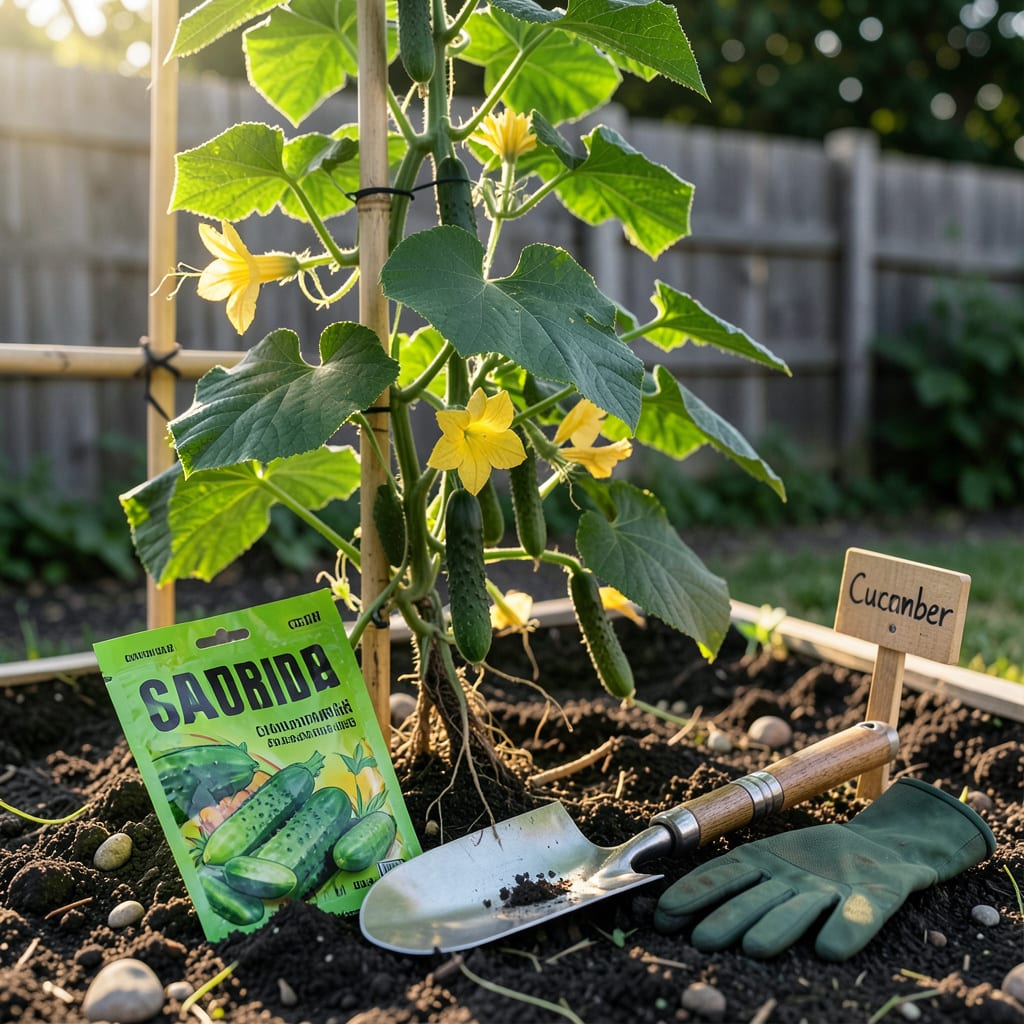
Ever bitten into a store-bought cucumber and thought, “This could be so much better”? You’re right—it can be, when you grow your own in Florida’s generous climate. But timing is everything with 🥒 cucumbers here.
The difference between a bountiful harvest and a disappointing one often comes down to just a few weeks. I’ll show you exactly when to plant in your part of Florida—whether you’re in the Panhandle or the Keys—to get those crisp, sweet cucumbers you’ve been dreaming about. Let’s make this your best growing season yet.
Florida’s diverse climate means one-size-fits-all planting advice simply doesn’t work. Whether you’re in Tallahassee’s cooler north or Miami’s tropical south, your cucumber planting window shifts dramatically. I’ve broken down the ideal timing for each region, accounting for frost dates and heat waves.
The key is soil temperature—cucumbers need 70°F+ to germinate properly. In North Florida, you’ll work around frost dates, while South Florida gardeners can plant nearly year-round (with summer caution). Let’s dig into the specifics.
| Region | Spring Planting | Fall Planting | Avoid These Months |
|---|---|---|---|
| North Florida (Zones 8-9) |
March–April After last frost (March 1) |
August–September Before first frost (Dec 1) |
May–July Extreme heat stress |
| Central Florida (Zone 9b-10a) |
February–March Soil warms early |
August–October Cooler nights return |
June–July Pest pressure peaks |
| South Florida (Zones 10b-11) |
Year-round Except summer |
September–March Best yields |
June–August Rainy season risks |
In North Florida, I recommend starting seeds indoors 4-6 weeks before your last frost date (around March 1). This gives you sturdy transplants ready for April’s warming soils. For Central Florida, direct sowing works well in late February.
South Florida’s heat is a double-edged sword. While you can grow cucumbers 9 months of the year, the summer’s intense rains and humidity create perfect conditions for powdery mildew. I’ve found August plantings often outperform spring ones here.
For all regions, succession planting is your secret weapon. Sow a new batch every 3-4 weeks during your planting window to extend harvests. In Central Florida, I’ve had great success with a March planting followed by an August refresh.
Don’t forget about microclimates! Coastal areas often stay 2-3°F warmer than inland spots. If you’re near the ocean in North Florida, you might sneak in an extra week of growing time. Conversely, inland Central Florida can have surprise frosts.
Pro tip: Use a soil thermometer to take the guesswork out of planting. When your garden reads 70°F at 4-inch depth, it’s go time. I keep mine handy—it’s saved me from many disappointing starts! 🌱
Remember, fall plantings often produce sweeter cucumbers in Florida. The cooler nights reduce bitterness while keeping daytime warmth for growth. In South Florida, this means your September-October crops might taste better than spring ones.
If you’re growing vertically on trellises, you can push your planting dates slightly later. The improved airflow helps plants handle Florida’s humidity better. I’ve found this especially helpful in Central Florida’s sticky summers. ☀️
Florida’s heat and humidity create the perfect storm for cucumber-growing mistakes. I’ve seen even experienced gardeners lose entire crops to simple oversights. The three biggest culprits are usually soil temperature, plant spacing, and water management—all easily fixable with the right know-how.
First, let’s talk about soil temperature. Cucumbers need 70°F+ soil to germinate properly, yet many gardeners plant based on air temperature alone. In Central Florida, I’ve watched seeds rot in 65°F soil even when daytime temps hit 80°F. A simple $10 soil thermometer can save your season.
Problem: Planting when soil is below 70°F causes poor germination or seed rot.
Fix: Use a soil thermometer at 4-inch depth. In North Florida, wait until mid-March; Central/South can plant earlier.
Pro Tip: Black plastic mulch warms soil faster in spring plantings.
The second critical error is overcrowding plants. Florida’s humidity means poor airflow equals disease. I’ve lost entire rows to powdery mildew from planting too closely. Give vining cucumbers 3-4 feet between plants, or 1-2 feet for bush varieties on trellises.
For container growers, the mistake is often underestimating water needs. Florida’s sandy soil drains fast, and containers dry out even quicker. I use self-watering pots or set up drip irrigation on timers. Remember: 1-2 inches of water weekly, but never wet the leaves to prevent fungal issues.
Another common pitfall is misjudging rainfall. In South Florida’s summer, you might think nature’s handling watering—but daily downpours can actually drown roots. I check soil moisture 2 inches deep before watering. If it’s damp, skip the hose. If dry, water deeply at the base.
Finally, don’t overlook pest prevention. Cucumber beetles and squash bugs thrive in Florida. I’ve had best results with floating row covers early in the season, switched to neem oil sprays once flowers appear. Planting nasturtiums or radishes nearby as trap crops helps too. 🪴
Not all cucumbers thrive in Florida’s steamy summers and humid falls. After testing dozens of varieties, I’ve found the heat-tolerant champions that resist disease while producing crisp, flavorful fruit. The secret? Choosing cultivars bred for powdery mildew resistance and high productivity in warm conditions.
For slicing cucumbers, my top picks are ‘Straight Eight’ (classic flavor, 60 days) and ‘Poinsett 76’ (developed at UF for Florida’s climate). If you love pickling types, ‘Calypso’ and ‘Excelsior’ handle heat beautifully. Let’s compare the best options for your garden goals.
| Variety | Type | Days to Harvest | Heat Tolerance | Disease Resistance |
|---|---|---|---|---|
| Straight Eight | Slicing | 60 | ⭐⭐⭐⭐ | Powdery mildew |
| Poinsett 76 | Slicing | 55 | ⭐⭐⭐⭐⭐ | Mildew, mosaic virus |
| Calypso | Pickling | 50 | ⭐⭐⭐⭐ | Scab, mildew |
| Excelsior | Pickling | 55 | ⭐⭐⭐⭐ | Mildew, leaf spot |
| Sweet Success | Burpless | 54 | ⭐⭐⭐⭐ | Mildew, mosaic |
For container gardeners, I recommend ‘Bush Champion’ or ‘Spacemaster’—both stay compact (3-4 feet) while producing full-sized fruit. These varieties thrive in 5-gallon containers with trellises. Just ensure your pots have drainage holes and use a lightweight potting mix amended with compost.
If you’re battling powdery mildew (a common Florida foe), ‘Diva’ and ‘Tyria’ are game-changers. Both are gynoecious (mostly female flowers), meaning they produce 2-3x more fruit without pollination. I’ve grown ‘Diva’ in Central Florida with zero mildew issues—even in humid September.
For fall plantings, ‘Socrates’ and ‘Eureka’ excel as temperatures drop. Their cold tolerance lets them produce into November in North Florida. Pair these with row covers on chilly nights to extend your season. In South Florida, these varieties thrive in winter’s milder conditions.
Remember: Seed quality matters in Florida’s tough conditions. I always choose seeds from Southern Exposure Seed Exchange or UF/IFAS-tested varieties. For organic growers, ‘Little Leaf’ offers built-in disease resistance with delicious, small-leaved vines that reduce mildew risk. 🌱
In North Florida, starting seeds indoors 4-6 weeks before last frost (March 1) gives you stronger transplants. For Central/South Florida, direct sowing works well due to warmer soils. Just ensure soil temps reach 70°F+ before planting.
Almost! You can plant 9 months of the year, but avoid June-August due to extreme heat and humidity. The best yields come from September-March plantings when temperatures are milder.
Water every 2-3 days in spring/fall, and daily in summer. Always water at the base in the early morning to prevent fungal issues. Check soil moisture 2 inches deep—if dry, it’s time to water.
Use floating row covers early in the season, then switch to neem oil sprays once flowers appear. Planting nasturtiums or radishes nearby as trap crops helps divert pests. Regular inspections catch problems early.
Not required, but trellises improve airflow (critical in humidity) and save space. They also help prevent fruit rot by keeping cucumbers off damp soil. In Central/South Florida, trellising can extend your growing season by 2-3 weeks.
