
Beautiful Plants For Your Interior
Beautiful Plants For Your Interior
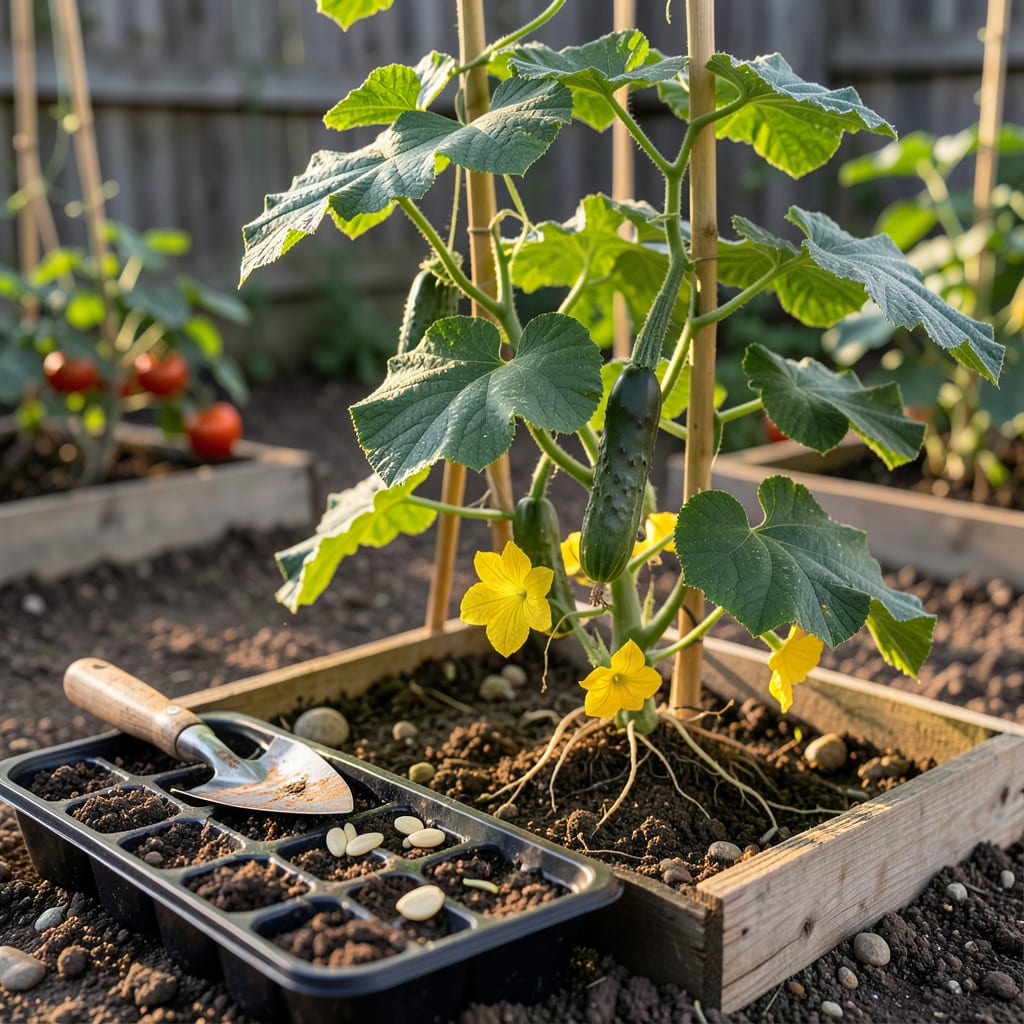
California’s diverse climates can make planting cucumbers feel like a guessing game—get it wrong, and you’re stuck with stunted vines or bitter fruit. But here’s the good news: with the right timing, you can grow crisp, juicy cucumbers almost year-round in some regions.
I’ve dug into the data (and dirt) to break down the exact windows for coastal fog zones, scorching inland valleys, and everything in between. Whether you’re in San Diego or Sacramento, you’ll discover the best months to plant for a heavy harvest—no green thumb required.
If you’ve ever wondered why your neighbor’s cucumbers thrive while yours struggle, timing and location are likely the culprits. California’s diverse climates—from foggy coasts to scorching deserts—mean one-size-fits-all advice just won’t cut it. I’ll break down the exact windows for your zone.
Cucumbers are frost-sensitive warm-season crops that demand soil temps above 60°F. Plant too early in cooler zones like the San Francisco Bay Area, and you’ll face stunted growth. Wait too long in the Central Valley, and summer heat may stress young plants.
| Zone | Region | Direct Sow | Transplant | Last Frost |
|---|---|---|---|---|
| 7a-7b | Coastal North (Eureka, Santa Rosa) | April 15–May 15 | May 1–June 1 | March 15–April 1 |
| 8-9 | Bay Area (SF, Oakland, Sacramento) | March 15–April 15 | April 1–May 1 | Feb 15–March 15 |
| 9b-10a | Central Valley (Fresno, Bakersfield) | March 1–March 30 | Feb 15–March 15 | Jan 30–Feb 15 |
| 10b-11 | Desert/South (Palm Springs, San Diego) | Feb 1–Feb 28 | Jan 15–Feb 15 | Dec 15–Jan 15 |
Pro Tip: Use a soil thermometer to confirm temps—60°F+ at 4″ depth is ideal. In cooler zones, black plastic mulch warms soil faster.
For coastal gardeners (Zones 7-9), fog and cool winds can delay soil warming. I recommend starting seeds indoors 3–4 weeks early under grow lights, then hardening off transplants before moving them outside. This trick gives you a 2–3 week head start on the season.
In the Central Valley (Zones 9b-10a), the key is avoiding blossom-end rot from uneven watering. Plant in raised beds with compost to improve drainage, and use drip irrigation to keep moisture consistent. Here, you can often sneak in a second crop in late summer for fall harvests.
Desert gardeners (Zones 10b-11) face the opposite challenge: intense heat. Plant in partial shade (especially afternoon) and use shade cloth to protect vines. Varieties like ‘Lemon Cucumber’ or ‘Armenian’ tolerate heat better than traditional slicers. Water deeply at dawn to reduce evaporation.
No matter your zone, succession planting is your secret weapon. Sow a new batch every 2–3 weeks until midsummer to extend harvests. In cooler areas, stop by July 1 so vines mature before fall frosts. In hot zones, pause during peak summer (June–July) and resume in August for a fall crop.
Watch for powdery mildew, especially in humid coastal areas. Space plants 3–4 feet apart for airflow, and apply neem oil preventatively. If you’re trellising (which I highly recommend!), train vines early to save space and improve air circulation.
For container gardeners, choose bush varieties like ‘Bush Champion’ or ‘Spacemaster’. Use 5-gallon pots minimum with a trellis or cage. Containers dry out faster, so check soil moisture daily in summer—your cucumbers will thank you with heavier yields!
Finally, don’t forget to test your soil before planting. Cucumbers thrive in slightly acidic to neutral pH (6.0–6.8). Amend with compost or aged manure for a nutrient boost. A balanced fertilizer (10-10-10) at planting and again when vines start running will fuel those crisp, juicy cucumbers you’re dreaming of. ☀️
Even with perfect planting timing, California’s wild temperature swings can cut your cucumber season short. But I’ve learned a few game-changing tricks to squeeze out extra weeks of harvests—whether you’re battling coastal fog or desert heat.
The secret starts with succession planting. Instead of sowing all your seeds at once, stagger plantings every 2–3 weeks until early summer. In cooler zones like the Bay Area, this means sowing batches from March through May. Hotter regions like the Central Valley can push this to June for a fall crop.
Bonus: For container growers, self-watering pots maintain consistent moisture—critical for preventing bitter cucumbers in heatwaves.
In foggy coastal areas, powdery mildew is the #1 harvest killer. I combat this by spacing plants 4 feet apart and applying a baking soda spray (1 tsp baking soda + 1 quart water + dash of soap) every 10 days. Prune lower leaves to improve airflow too.
For inland gardeners, the midday heat can stress plants. Try drip irrigation on timers set for 5–6 AM to deliver water before evaporative loss. Mulch with straw or grass clippings to keep roots cool—this can add 2+ weeks to your season.
Don’t overlook variety selection. Heat-tolerant types like ‘Lemon Cucumber’ or ‘Suyo Long’ thrive in southern California’s summers, while ‘Northern Pickling’ handles cooler coastal areas better. Check the days-to-maturity on seed packets—faster varieties (50–55 days) let you sneak in extra plantings.
Finally, feed strategically. At first flowering, switch to a low-nitrogen fertilizer (5-10-10) to boost fruit production. I use a liquid fish emulsion every 2 weeks for a gentle nutrient bump. Stop fertilizing 3 weeks before frost to harden off plants for late harvests. ✂️
Not all cucumbers thrive equally across California’s diverse climates. The wrong variety in your zone can mean bitter fruit, poor yields, or vines that wilt in the heat. I’ve tested dozens of types and found the top performers for each region—plus the exact planting windows to maximize success.
In cooler coastal zones (7-9), you’ll want fast-maturing, disease-resistant varieties that tolerate fog and mild temperatures. For hot inland valleys (9b-10a), heat-loving types with deep roots handle the summer scorchers. Desert gardeners (10b-11) need drought-tolerant cucumbers that won’t turn bitter under intense sun.
| Variety | Best For | Days to Harvest | Plant Window | Key Traits |
|---|---|---|---|---|
| Straight Eight | Coastal (Zones 7-9) | 60-65 | March 15–April 30 | Classic slicer, mildew-resistant |
| Lemon Cucumber | Inland (Zones 9b-10a) | 65-70 | Feb 15–March 30 | Heat-tolerant, sweet flavor |
| Armenian | Desert (Zones 10b-11) | 60-75 | Jan 15–Feb 28 | Drought-resistant, long fruit |
| Northern Pickling | Coastal (Zones 7-9) | 50-55 | March 1–April 15 | Cold-tolerant, compact vines |
Pro Tip: For containers, choose bush varieties like ‘Spacemaster’ (55 days) or ‘Bush Champion’ (50 days). They thrive in 5-gallon pots with trellises.
Coastal gardeners should prioritize early-maturing varieties like ‘Northern Pickling’ or ‘Sweet Success’ (burpless). These handle cool nights and shorter seasons better than heat-lovers. I’ve had great luck with ‘Sweet Success’ in San Francisco—it resists powdery mildew and stays crisp even in foggy summers.
In the Central Valley, where summers sizzle, ‘Lemon Cucumber’ and ‘Suyo Long’ are my go-tos. Their thick skins prevent sunscald, and they keep producing when temps hit 90°F+. For pickling, ‘Calypso’ handles heat well and resists common diseases like downy mildew.
Desert dwellers need cucumbers that laugh at 100°F days. ‘Armenian’ (also called snake melon) and ‘Poona Kheera’ are stars here. Both have deep roots to seek water and light-colored skins to reflect sun. Plant them early (January–February) to harvest before peak summer heat.
For small spaces, ‘Bush Champion’ and ‘Salad Bush’ stay compact (3–4 feet) but yield heavily. Train them up a tomato cage to save room. In containers, use a lightweight potting mix with extra perlite for drainage—cucumbers hate soggy roots! 🌱
For zones 7-9 (like San Francisco or Santa Rosa), wait until mid-March to early April for transplants. Direct sowing works best April 15–May 15 when soil reaches 60°F.
Use floating row covers or cloches to shield seedlings if temps dip below 50°F. Remove covers during the day to allow pollination once flowers appear.
In zones 10b-11 (like San Diego), you can plant January–February for spring harvests and again in August–September for fall. Avoid peak summer heat, which stresses plants.
Bitterness comes from heat stress or uneven watering. Mulch heavily, water deeply at dawn, and provide 30% shade cloth in hot zones. Harvest young for sweeter flavor.
For hot inland areas, try ‘Lemon Cucumber’ or ‘Armenian’. Both tolerate 90°F+ and resist sunscald. Desert gardeners should plant these January–February for best results.
