
Beautiful Plants For Your Interior
Beautiful Plants For Your Interior
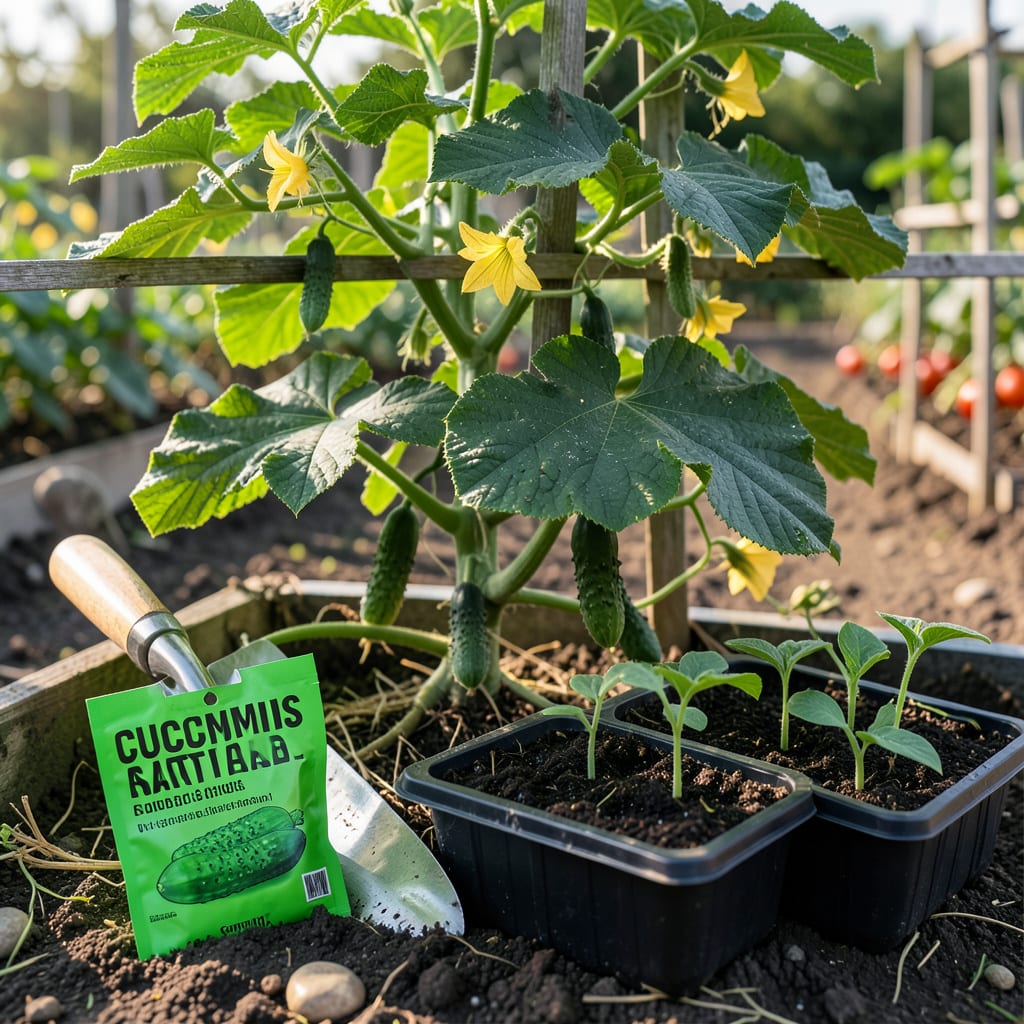
Timing your cucumber planting in Arkansas can mean the difference between a bountiful harvest and a disappointing season. Plant too early, and a late frost might wipe out your seedlings; wait too long, and the summer heat could stunt their growth before they even get started.
After years of testing and refining, I’ve nailed down the perfect windows for both spring and fall plantings—tailored to Arkansas’ unique climate zones. Whether you’re in the Ozarks or the Delta, I’ll show you exactly when to get those seeds in the ground for the biggest, crispest 🥒 cucumbers you’ve ever grown.
Getting your cucumber timing right in Arkansas starts with understanding our three distinct regions. The Delta region (Zone 8a) warms up faster than the Ozarks (Zone 6b), meaning planting dates can vary by 2-3 weeks across the state.
I always check soil temperature—not just air temp—because cucumbers need 60°F+ soil to germinate properly. A simple soil thermometer saves me from costly mistakes every season. Here’s how I time it perfectly:
| Region | Spring Plant | Fall Plant | Last Frost | Soil Prep |
|---|---|---|---|---|
| Delta (Zone 8a) | March 20–April 10 | Aug 1–15 | March 15 | Add compost + sand |
| Central (Zone 7b) | April 1–20 | July 15–30 | April 5 | Raise beds 6″ high |
| Ozarks (Zone 6b) | April 15–May 1 | July 1–15 | April 15 | Black plastic mulch |
*Soil temp must be 60°F+ for 5 consecutive days before planting.
For spring planting, I wait until 2 weeks after last frost—that’s around April 15 for most of Arkansas. But here’s my pro tip: Watch the 10-day forecast for nighttime temps above 50°F before sowing.
The fall window is trickier. I plant 90–100 days before first frost (around November 1), so seeds go in by mid-July in Little Rock or early August in Pine Bluff. Fall cucumbers often taste sweeter with fewer pests!
I’ve found succession planting works wonders in Arkansas. I sow a new batch every 2 weeks until mid-June for continuous harvests. This prevents getting overwhelmed with too many cucumbers at once—trust me, I learned this the hard way!
For clay-heavy soils (common in eastern Arkansas), I mix in 3 inches of compost and 1 inch of sand to improve drainage. Cucumbers hate wet feet! In sandy Ozark soils, I add peat moss to retain moisture during our hot summers.
Don’t forget trellising—it’s non-negotiable in Arkansas’ humid climate. I use 5-foot cattle panels bent into arches. This keeps fruit off damp soil (preventing rot) and improves air circulation to fight powdery mildew, our biggest cucumber enemy.
My favorite Arkansas-proven varieties are ‘Straight Eight’ (classic slicer), ‘Lemon’ (heat-tolerant), and ‘Diva’ (disease-resistant). For pickling, ‘Boston Pickling’ thrives in our humidity when given afternoon shade in July.
Remember: Morning sun is crucial in Arkansas. I plant my cucumber rows north-to-south so they get even light exposure. And always water at soil level—never overhead—to prevent fungal diseases in our humid summers.
Want to extend your season? Use row covers in early spring or 30% shade cloth in late summer. I’ve harvested cucumbers into October using these simple tricks—even in Zone 6b! 🌱
Even experienced Arkansas gardeners can sabotage their cucumber harvest with simple oversights. I’ve seen healthy seedlings wilt overnight from avoidable errors—like planting in cold, soggy soil or ignoring our humidity-driven diseases. Let’s fix these before they wreck your crop.
The biggest mistake? Trusting calendar dates over soil temps. I’ve lost count of how many gardeners plant on April 1 just because “that’s when Grandma did it”—only to watch seeds rot in 55°F soil. Always use a thermometer!
*Bonus: Never plant cucumbers where squash grew last year—pest cycles will devastate them!
Another costly error? Using overhead sprinklers in our humid summers. I switched to drip irrigation and cut my powdery mildew cases by 70%. The secret: Water at soil level before 9 AM so leaves dry fast.
Arkansas’ clay-heavy Delta soils drown cucumber roots if not amended. My go-to mix: 60% native soil, 30% compost, and 10% perlite. For sandy Ozark soils, I add peat moss to retain moisture during July’s 100°F stretches.
Here’s a mistake I made for years: Planting all seeds at once. Now I stagger plantings every 2 weeks until June 15 for continuous harvests. This also avoids the glut of cucumbers that leaves you begging neighbors to take them!
Don’t forget companion planting! I interplant cucumbers with bush beans (fixes nitrogen) and dill (attracts predator wasps for pest control). Avoid planting near aromatic herbs like sage—they can stunt cucumber growth.
Finally, watch for cucumber beetles—they’re Arkansas’ #1 cucumber killer. I use yellow sticky traps and apply kaolin clay weekly. At first sign of wilting, I spray neem oil (1 tbsp/gallon) at dusk to avoid harming bees. 🌱
Not all cucumbers thrive in Arkansas’ hot, humid summers and unpredictable springs. After testing dozens of varieties, I’ve found the top performers that handle our 90°F+ heatwaves and clay-heavy soils without missing a beat.
The secret? Matching varieties to your specific region. In the Delta’s Zone 8a, I lean on heat-tolerant types like ‘Lemon’ and ‘Suyo Long’. Up in the Ozarks’ Zone 6b, early maturers like ‘Bush Champion’ avoid frost damage.
*For pickling, ‘Boston Pickling’ and ‘Calypso’ resist Arkansas’ powdery mildew best.
To extend your season, I use row covers in early spring and 30% shade cloth by July. This combo adds 2–3 weeks to both ends of the growing season. My trick: Install hoop tunnels with floating row covers at planting.
For fall cucumbers, start seeds indoors July 1 (Zone 6b) or July 15 (Zone 8a). Transplant under shade cloth by August 1 to avoid heat stress. I’ve harvested until October 15 using this method in Little Rock!
Trellising is non-negotiable in Arkansas. I use 5-ft cattle panels bent into arches, spaced 12″ apart. This keeps fruit off wet soil (preventing rot) and improves airflow to combat powdery mildew, our #1 cucumber killer.
My soil prep routine for Arkansas’ tough conditions: 3″ compost + 1″ sand (for clay) or 2″ peat moss (for sandy soil). I also add 1 cup of worm castings per plant at transplanting for a nutrient boost. 🌱
For a fall harvest, plant by mid-July in northern Arkansas (Zone 6b) or early August in southern regions (Zone 8a). This ensures fruit matures before the first frost around November 1.
Cucumbers need soil consistently above 60°F for germination. Use a soil thermometer to check at 2-inch depth for 5 consecutive days. Cold soil causes seeds to rot.
Yes! Start seeds indoors 3-4 weeks before your last frost date (around April 1 for most areas). Use biodegradable pots to avoid root shock when transplanting.
Cover young plants with floating row covers or cloches if temps drop below 50°F. Remove covers during the day to prevent overheating.
Amend clay with 3 inches of compost and 1 inch of sand before planting. Raised beds 6 inches high improve drainage and warm soil faster.
