
Beautiful Plants For Your Interior
Beautiful Plants For Your Interior
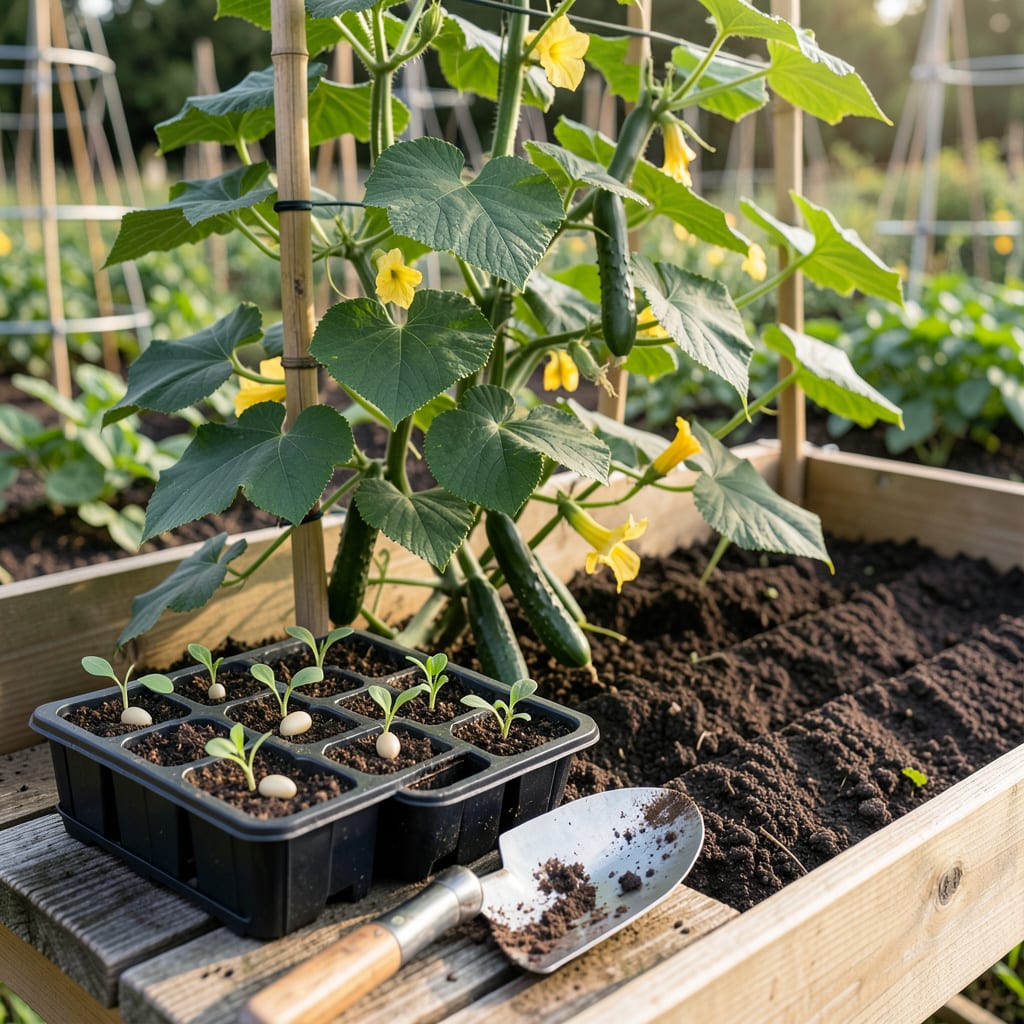
Arizona’s intense sun and dry air make growing 🥒 cucumbers a challenge—but with the right timing, you can harvest crisp, juicy cucumbers even in the desert. The secret lies in working with the seasons, not against them.
I’ve tested planting windows across Arizona’s regions, and the difference between a struggling vine and a thriving crop comes down to two key factors: avoiding peak summer heat and leveraging cooler spring and fall months. Let’s break down exactly when to plant for your best harvest yet.
If you’ve ever tried growing cucumbers in Arizona, you know our desert climate doesn’t play by the same rules as milder regions. The key to success? Planting at the right time—before the scorching summer heat fries your seedlings or the frost nips your vines. I’ll break down the perfect windows for every Arizona zone.
Arizona’s diverse elevations mean what works in Phoenix’s low desert won’t fly in Flagstaff’s high country. Whether you’re in the Sonoran Desert or the Mogollon Rim, timing your cucumber planting around frost dates and heat waves makes all the difference. Let’s dig into the details.
| Region | Best Planting Window | Frost-Free Dates | Heat Warning |
|---|---|---|---|
| Low Desert (Phoenix, Tucson, Yuma) |
Feb 15–Mar 15 (spring) Aug 15–Sep 15 (fall) |
Last frost: Feb 15 First frost: Dec 15 |
Avoid June–Aug (temps >90°F) |
| Intermediate (Payson, Sedona, Cottonwood) |
Mar 15–Apr 15 (spring) Jul 15–Aug 15 (fall) |
Last frost: Mar 15–Apr 1 First frost: Nov 1–15 |
Watch for late spring frosts |
| High Desert (Flagstaff, Prescott, Show Low) |
May 1–Jun 1 (only) | Last frost: May 15–Jun 1 First frost: Sep 15–Oct 1 |
Short season—use row covers |
In the low desert, I always recommend two planting windows: early spring and late summer. Spring plantings should go in by mid-March to mature before temperatures hit 90°F+. For fall, aim for mid-August—your cucumbers will thrive as temps drop, and you’ll harvest into October or November.
If you’re in intermediate elevations like Sedona or Payson, your spring window starts a bit later—mid-March to mid-April. Fall plantings can begin in late July, but keep an eye on those monsoon rains. Too much moisture can invite powdery mildew, so space plants for airflow and water at the base.
Up in the high desert, your growing season is short—just 4–5 months. Stick to May or early June plantings, and use black plastic mulch to warm the soil faster. I’ve had great luck with ‘Straight Eight’ and ‘Lemon Cucumber’ varieties here—they handle cooler nights better than others.
No matter where you are, soil temperature is critical. Cucumbers need at least 70°F to germinate. In early spring, use a soil thermometer to check—if it’s below 65°F, hold off or use row covers to warm things up. For fall plantings, pre-water your soil to cool it down before sowing seeds.
One mistake I see often? Planting too late in spring. By May in Phoenix, temps are already climbing, and cucumbers won’t set fruit above 95°F. If you miss the spring window, focus on your fall crop—it’s often more productive anyway! And remember, succession planting every 2–3 weeks in spring extends your harvest before the heat hits.
For container gardeners, cucumbers thrive in 5+ gallon pots with a trellis. In Arizona’s heat, containers dry out fast, so check moisture daily and mulch the surface to retain water. I like using coconut coir mixed with compost—it holds moisture better than plain potting soil.
Finally, don’t forget to adjust for microclimates. A north-facing garden in Tucson stays cooler than a south-facing one, and urban heat islands can push your planting dates earlier. When in doubt, ask local Master Gardeners or check with your county extension office for hyper-local advice. 🌱
Even experienced gardeners can stumble when growing cucumbers in Arizona. The desert’s extreme conditions—blistering heat, alkaline soil, and unpredictable monsoons—demand precise timing and care. I’ve seen too many crops fail from avoidable errors. Let’s tackle the top three mistakes and how to fix them.
First up: ignoring soil temperature. Cucumbers need 70°F+ soil to germinate, yet many gardeners plant too early in spring when the ground is still cool. A soil thermometer is your best friend here—don’t guess! If temps are below 65°F, seeds may rot before sprouting. 🌡️
The second mistake is planting too late in spring. By May in Phoenix, daytime temps often exceed 95°F, causing cucumbers to drop flowers or produce bitter fruit. If you miss the spring window, shift focus to a fall crop—it’s often more reliable. I’ve found ‘Straight Eight’ and ‘Lemon Cucumber’ handle late-season heat better than others.
Third, many gardeners underestimate water needs in Arizona’s dry air. Cucumbers require 1–1.5 inches of water weekly, but overhead watering in heat invites disease. Instead, use drip irrigation on a timer, watering early morning to reduce evaporation. Mulch with straw or grass clippings to retain moisture and cool roots.
Another overlooked issue? Poor soil prep. Arizona’s native soil is often alkaline and compacted, which stunts cucumber growth. Before planting, amend beds with 3–4 inches of compost and test pH (aim for 6.0–6.8). If your soil is heavy clay, consider raised beds filled with a mix of garden soil, compost, and perlite for better drainage.
Finally, don’t forget pest vigilance. Arizona’s cucumber beetles and squash bugs can devastate plants overnight. I recommend floating row covers for seedlings and hand-picking pests at dawn. For organic control, neem oil or kaolin clay sprays work well—just avoid applying in direct sunlight to prevent leaf burn. ✂️
By dodging these common pitfalls, you’ll set your cucumbers up for success. Remember, Arizona gardening is all about working with the climate, not against it. Adjust your approach based on your region, and don’t hesitate to experiment—sometimes the best lessons come from a failed crop! 🌿
Not all cucumbers can handle Arizona’s intense heat and low humidity. After testing dozens of varieties in my own desert garden, I’ve found the best performers are those bred for heat tolerance, disease resistance, and quick maturity. Let’s dive into the top picks.
For slicing cucumbers, you can’t go wrong with ‘Straight Eight’—it’s a classic for a reason. This heirloom handles heat well and produces 8-inch fruits in about 60 days. If you prefer something sweeter, ‘Sweet Success’ is a burpless hybrid that thrives in Arizona’s climate and resists powdery mildew. 🌱
| Variety | Type | Days to Maturity | Heat Tolerance | Best For |
|---|---|---|---|---|
| Straight Eight | Slicing | 60 days | High | Fresh eating, salads |
| Lemon Cucumber | Specialty | 65 days | Very High | Unique flavor, heat-resistant |
| Armenian Cucumber | Slicing | 70 days | Excellent | Long, crisp fruits |
| Sweet Success | Burpless | 55 days | High | Sweet, easy to digest |
| Boston Pickling | Pickling | 50 days | Moderate | Small, crunchy fruits |
If you love pickling cucumbers, ‘Boston Pickling’ is a solid choice, though it needs a bit more shade in peak summer. For something truly unique, ‘Armenian Cucumber’ (technically a melon!) produces long, ribbed fruits that stay sweet even in heat. It’s a favorite in my garden for its vigor and productivity. 🌿
For container gardening, I recommend ‘Bush Champion’—it’s compact, produces heavily, and handles heat better than most bush types. If you’re dealing with limited space, this variety thrives in 5-gallon pots with a small trellis. Just ensure containers have drainage holes to prevent root rot.
No matter which variety you choose, remember that consistent watering is key in Arizona. Cucumbers are 90% water, so drought stress leads to bitter fruit. Use drip irrigation on a timer to maintain even moisture, and mulch heavily with straw or grass clippings to conserve water. ☀️
Finally, don’t overlook disease resistance when selecting varieties. Arizona’s monsoon season brings humidity, which can trigger powdery mildew. Varieties like ‘Diva’ (a burpless cucumber) are bred to resist common diseases and perform well in both spring and fall plantings. Pair disease-resistant varieties with proper spacing (3–4 feet apart) and good airflow to keep plants healthy.
Not quite! Cucumbers thrive in spring and fall but struggle in summer’s extreme heat. In low desert areas, plant Feb–Mar or Aug–Sep. High desert gardeners should stick to May–Jun plantings only.
Use 30–50% shade cloth for young plants and mulch heavily to keep roots cool. Water deeply in the early morning to prevent wilting. For extra protection, try row covers in spring to guard against late frosts.
Cucumbers need 1–1.5 inches of water weekly, but in peak summer, daily watering may be necessary. Always use drip irrigation to avoid wetting foliage, which can lead to disease. Check soil moisture 2 inches deep—if dry, it’s time to water.
‘Straight Eight’, ‘Lemon Cucumber’, and ‘Armenian’ are top performers. These varieties resist heat stress and maintain sweetness. For containers, try ‘Bush Champion’—it’s compact and productive.
Use 5+ gallon pots with drainage holes and a trellis for support. Fill with a mix of potting soil and compost, and place in full sun (6–8 hours daily). Containers dry out fast, so check moisture daily in summer.
