
Beautiful Plants For Your Interior
Beautiful Plants For Your Interior
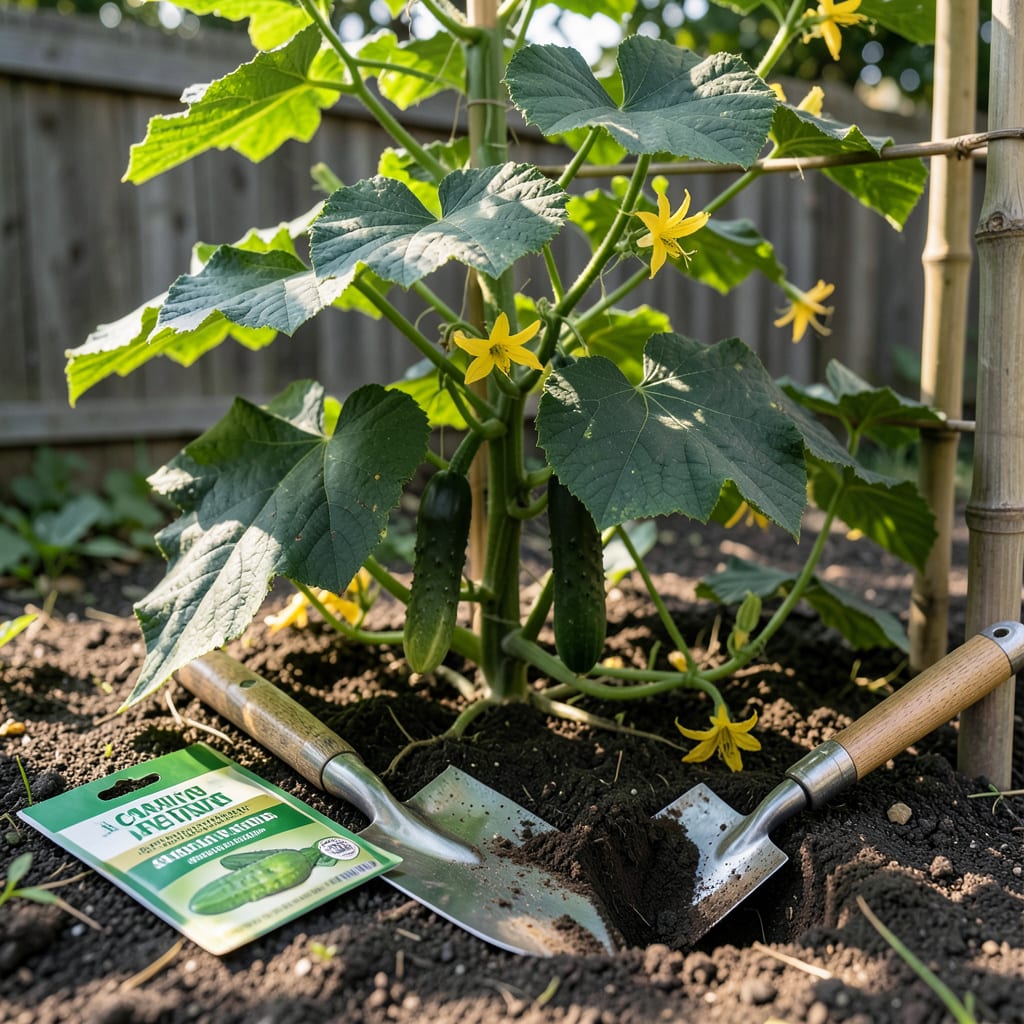
Timing your cucumber planting in Alabama can mean the difference between a bumper crop and a disappointing harvest. Our state’s unique climate—with its early springs and scorching summers—demands precision.
I’ve tested the best planting windows for zones 7b-9a, so you don’t have to guess. Whether you’re in Birmingham or Mobile, I’ll show you exactly when to get those 🥒 seeds in the ground for crisp, juicy results all season long.
If you’re eager to grow crisp, juicy cucumbers in Alabama, timing is your secret weapon. Our state’s diverse climate zones (7a–9a) mean planting dates vary from the cooler north to the warmer coast. Get it right, and you’ll avoid frost damage or heat-stressed plants that produce bitter fruit.
Alabama’s long growing season—typically 245 frost-free days—gives you two prime windows: spring (after the last frost) and late summer for a fall harvest. But soil temperature is key—60°F or warmer ensures fast germination and healthy vines. Let’s break down the best dates for your region.
| Region | USDA Zone | Spring Planting | Fall Planting | Last Frost Date |
|---|---|---|---|---|
| North Alabama | 7a–7b | April 1–15 | July 15–Aug 1 | April 5 |
| Central Alabama | 8a–8b | March 15–30 | July 1–15 | March 20 |
| South Alabama | 8b–9a | March 1–15 | June 15–30 | March 1 |
Pro Tip: Use a soil thermometer to confirm temps—70°F+ speeds germination! ☀️
In North Alabama (Zones 7a–7b), hold off until early April to avoid late frosts. I’ve seen eager gardeners lose seedlings to a surprise March cold snap—don’t risk it! For Central Alabama (Zones 8a–8b), mid-March is your sweet spot, while coastal gardeners (Zones 8b–9a) can start as early as March 1.
For fall cucumbers, timing is trickier. Plant 70–90 days before your first frost to ensure a harvest before cold weather hits. In Birmingham, aim for early July; in Mobile, late June works. Fall crops often face less pest pressure but may need row covers to extend the season.
Alabama’s humid summers can stress cucumbers, so I recommend morning sun (6+ hours) with afternoon shade in July–August. If you’re planting in containers, move pots to a shadier spot during heatwaves. Drip irrigation keeps roots cool and prevents powdery mildew, a common issue in our humidity.
For succession planting, sow a new batch every 2–3 weeks until early July. This staggers harvests and avoids a glut of cucumbers all at once. Try heat-tolerant varieties like ‘Straight Eight’ or ‘Lemon’ for better results in Alabama’s summers. They handle 90°F+ temps without turning bitter.
Don’t forget soil prep! Alabama’s clay-heavy soil benefits from compost or aged manure worked in before planting. Aim for a pH of 6.0–6.8. I like to add pine bark fines to improve drainage—cucumbers hate wet feet but need consistent moisture.
If you’re direct sowing, plant seeds ½–1 inch deep in mounds or rows, spacing them 12–24 inches apart. For transplants, harden off seedlings for 3–5 days before moving them outside. Use black plastic mulch to warm soil faster in spring or straw mulch in summer to retain moisture.
Watch for cucumber beetles—they’re rampant in Alabama! Row covers at planting time can block them, or use kaolin clay as a deterrent. Neem oil works for powdery mildew, but prevention (like good airflow) is easier than treatment. Rotate crops yearly to avoid soil-borne diseases.
Finally, keep an eye on the 10-day forecast before planting. If nights dip below 50°F, hold off—cucumbers thrive in warmth. With the right timing and care, you’ll
Choosing between spring and fall planting for cucumbers in Alabama isn’t just about preference—it’s about yield, pest pressure, and heat tolerance. I’ve tested both seasons in my own garden, and each has distinct advantages. Spring offers longer daylight for growth, while fall brings cooler temps and fewer pests.
Spring planting (March–May) is the most popular because it aligns with warming soils and frost-free conditions. But Alabama’s summer heat can stress plants by July, leading to bitter fruit or poor pollination. Fall planting (July–August) avoids this but requires faster-maturing varieties to beat the first frost.
My Pick: Plant in spring for quantity, fall for quality! 🌿
For spring success, I recommend starting seeds indoors 3–4 weeks before your last frost date (e.g., early March in Central AL). Transplant when soils hit 60°F+ and use row covers to protect young plants from late chills or wind damage.
Fall planting requires faster-maturing varieties like ‘Bush Champion’ (55 days) or ‘Spacemaster’ (60 days). Sow seeds in late June–early July in South AL or mid-July in North AL. Use shade cloth if temps exceed 90°F to prevent bolting or sunscald.
Succession planting bridges both seasons! Sow a new batch every 2–3 weeks until early July. This ensures a steady harvest and avoids overwhelming you with dozens of cucumbers at once. Pair with trellising to save space and improve airflow, reducing disease risks in our humid climate.
No matter the season, soil prep is critical. Work in 2–3 inches of compost and ensure good drainage—Alabama’s clay can drown roots. A soil test helps adjust pH to 6.0–6.8. Mulch with straw or grass clippings to retain moisture and suppress weeds, which compete for nutrients.
Watch for early signs of stress: yellowing leaves (overwatering), wilting in heat (underwatering), or hole-chewed leaves (pests). In fall, floating row covers can extend the season by 2–3 weeks, protecting plants from light frosts while allowing sunlight and water through. Happy planting!
Even experienced gardeners can trip up when growing cucumbers in Alabama. Our humid climate and variable soil types create unique challenges. After years of testing (and a few failed crops!), I’ve pinpointed the top 5 mistakes that sabotage harvests—so you can skip the frustration.
First, ignoring soil temperature is a recipe for disaster. Cucumbers need 60°F+ soil to germinate well. Planting in cold, wet soil leads to rot or weak seedlings. Always use a soil thermometer—don’t guess! ☀️
Bonus Tip: Mulch with straw to keep soil cool and moist in summer! 🌿
Overwatering is another silent killer. While cucumbers need consistent moisture, soggy roots cause root rot or yellow leaves. I water deeply 2–3 times weekly (more in July–August heat) and always in the early morning to prevent fungal issues.
Alabama’s high humidity also means disease pressure. Without proper spacing or airflow, powdery mildew spreads fast. I prune lower leaves to improve circulation and apply neem oil preventatively every 2 weeks. Trellising vines keeps fruit off the ground, reducing rot.
Don’t forget variety selection! Planting a long-season heirloom in July guarantees disappointment. For fall crops, choose fast-maturing types like ‘Bush Champion’ (55 days) or ‘Little Leaf’ (54 days). In spring, heat-tolerant varieties like ‘Straight Eight’ thrive in Alabama’s summers.
Finally, neglecting pollinators can leave you with poor fruit set. Avoid heavy pesticide use—plant pollinator-friendly flowers like marigolds or borage nearby. If growing in a greenhouse, hand-pollinate with a small paintbrush to ensure a full harvest. ✂️
In North Alabama (Zones 7a–7b), wait until April 1–15 to avoid late frosts. I’ve lost seedlings to surprise March cold snaps—don’t risk it!
Yes, but choose heat-tolerant varieties like ‘Straight Eight’ or ‘Lemon’. Provide afternoon shade and drip irrigation to combat 90°F+ temps.
Use trellises for airflow and apply neem oil every 2 weeks to prevent powdery mildew. Mulch with straw to keep soil dry and reduce fungal risks.
Plant fast-maturing varieties (like ‘Bush Champion’) by July 15 in Central AL. Use row covers to guard against light frosts and extend harvests.
Mix in 3 inches of compost and pine bark fines to improve drainage. Aim for a pH of 6.0–6.8 for healthy vines and crisp fruit.
