
Beautiful Plants For Your Interior
Beautiful Plants For Your Interior
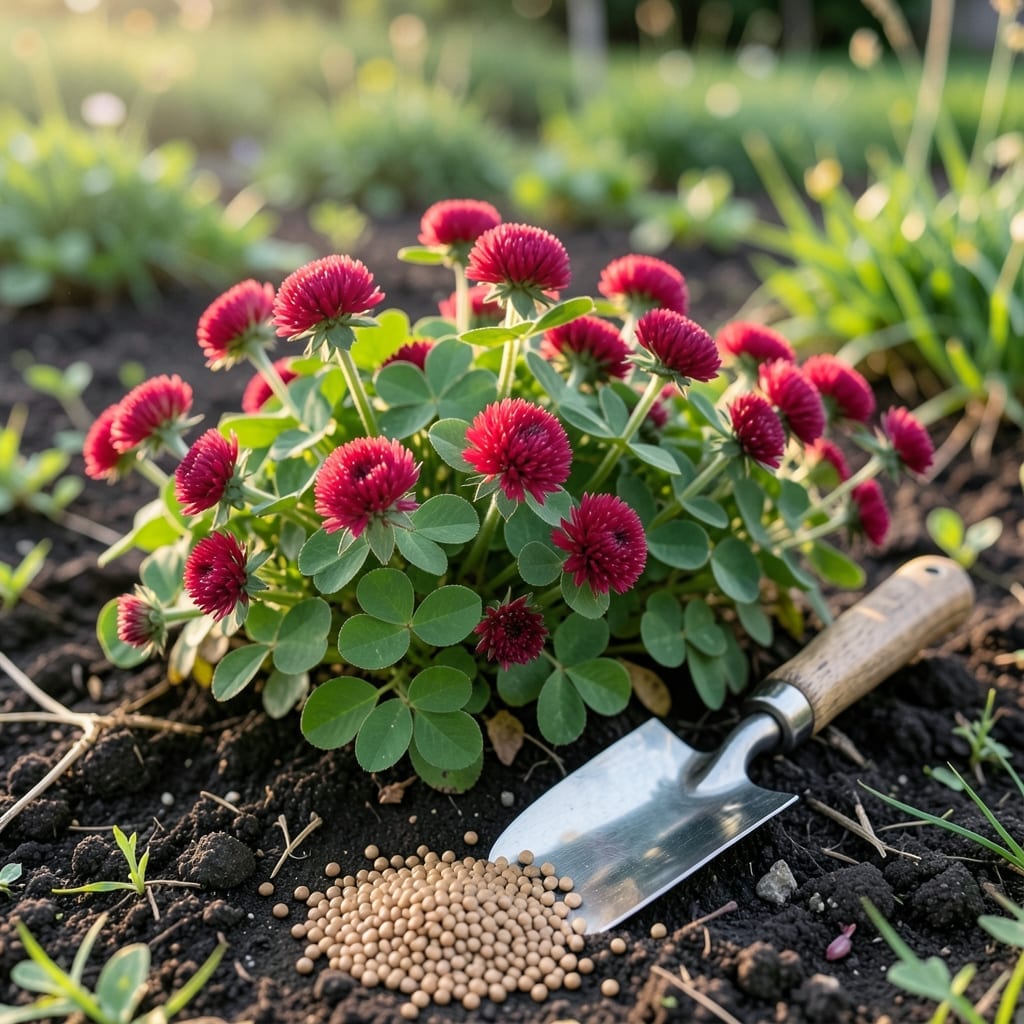
Timing is everything when planting Crimson Clover—get it right, and you’ll enjoy vibrant blooms and improved soil health. Plant too early or too late, and you risk poor germination.
In USDA Zone 6, the best windows are March-April or August-September. This timing ensures the 🌸 clover establishes strong roots before extreme temperatures hit.
Discover how to align planting with your local climate for lush growth. I’ll walk you through the ideal conditions and simple steps to maximize your success.
Getting the planting timing right for Crimson Clover can make or break your garden’s success. I’ve found that aligning with your climate zone ensures strong germination and vibrant growth.
For cool climates, aim for early spring or late summer. In warmer regions, fall planting often works best to avoid harsh summer heat.
| Climate Zone | Best Planting Window | Key Consideration |
|---|---|---|
| Cool (Zones 3-5) | March-April or August-Sept | Avoid frost; needs 6+ hours sun |
| Transitional (Zones 6-7) | Feb-March or Sept-Oct | Well-draining soil critical |
| Warm (Zones 8-10) | Oct-Nov or Feb | Plant before first frost |
In Zone 6, I plant 4-6 weeks before the last frost in spring. This gives the clover seeds time to establish before summer stress hits.
For fall planting, I count backward from the first frost date. Planting 6 weeks prior ensures roots develop before winter dormancy.
Soil temperature is another key factor. Crimson Clover germinates best when soil is 50-65°F. Use a soil thermometer to check conditions.
If your area has mild winters, you can plant in late fall. The clover will grow slowly and explode in spring. This works well in Zone 7 and warmer.
For hot summers, I avoid planting in June-July. The heat can stress young plants. Instead, wait for cooler fall temperatures.
Remember, Crimson Clover is a cool-season annual. It thrives in moderate temperatures and struggles in extremes. Timing your planting with these windows sets you up for success.
I’ve seen the best results when I prepare the soil first. Loosen the top 6 inches and remove weeds. This gives seeds the best chance to take root.
Finally, water consistently after planting. Keep the soil moist but not soggy for the first 2-3 weeks to encourage strong germination. 🌱
Understanding how seasonal shifts impact Crimson Clover helps you time your planting perfectly. I’ve seen firsthand how spring vs. fall planting changes everything from bloom timing to nitrogen fixation.
Spring planting leads to earlier blooms and strong nitrogen production. The clover establishes quickly in warming soil, often flowering by early summer. This is ideal for cool climates.
🌱 Seasonal Impact
Spring planting = faster growth and earlier blooms. Fall planting = stronger roots and winter survival.
Fall planting builds root systems that survive winter. The clover grows slowly, then explodes in spring. This works well in mild winter zones like 7-10.
In USDA Zone 6, I’ve found August-September planting gives the best overwintering success. The plants establish before frost, then resume growth when temperatures rise.
For nitrogen fixation, spring-planted clover fixes more N per acre. But fall-planted clover provides ground cover and prevents erosion during dormant months.
Bloom timing shifts with seasons too. Spring-planted clover blooms in 60-70 days. Fall-planted may bloom the next spring, depending on your climate zone.
I always monitor soil moisture more closely in fall. Cooler temps mean slower evaporation, so adjust watering to avoid soggy soil. ☀️