
Beautiful Plants For Your Interior
Beautiful Plants For Your Interior
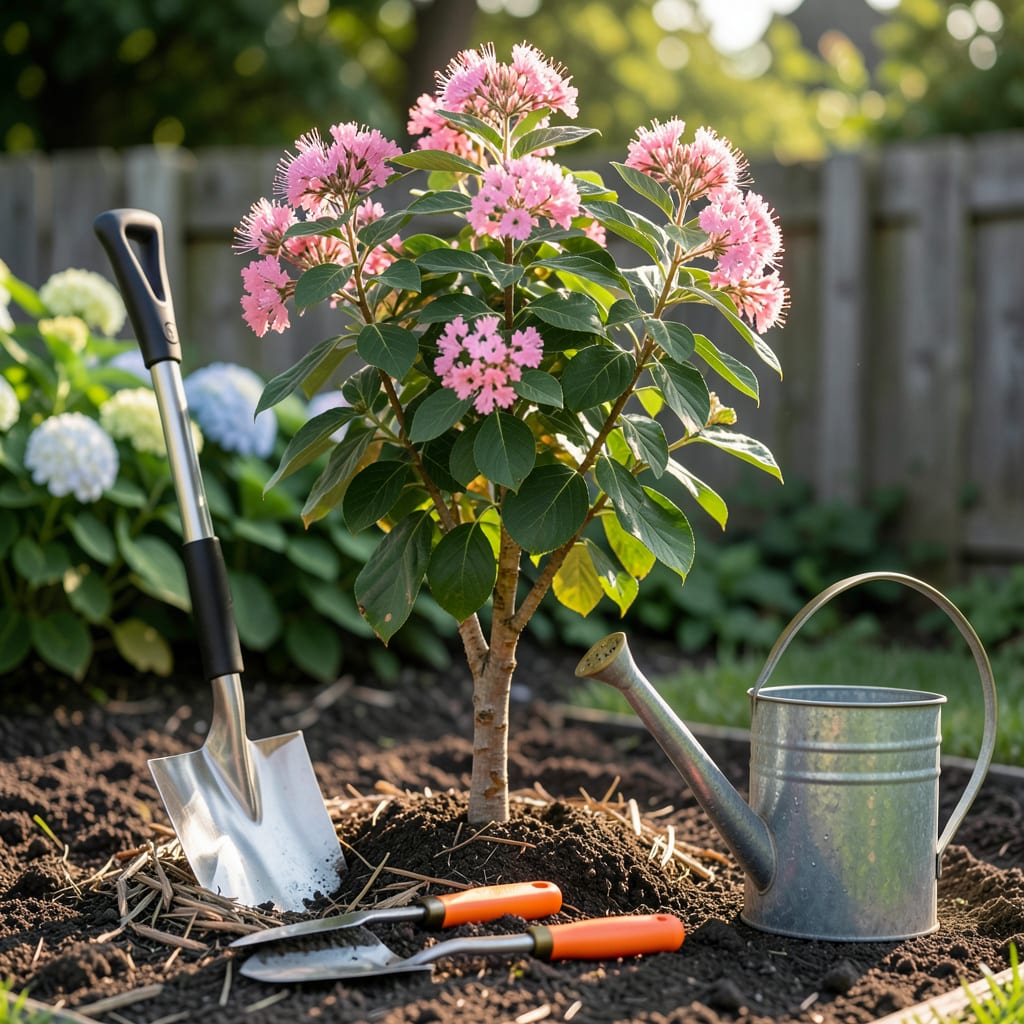
Texas heat doesn’t play nice with delicate young trees—but crape myrtles? They thrive if you time it right. Plant too early, and a sneaky late frost could sabotage your efforts. Wait too long, and the summer sun might fry their roots before they even take hold.
After years of testing (and a few failed attempts), I’ve nailed the perfect window for Texas gardeners. Whether you’re in Dallas’s Zone 8a or Houston’s humid Zone 9b, the timing shifts—and so does your strategy. Let’s cut through the guesswork so your 🌱 crape myrtles burst into color when it matters most.
Texas gardeners know our crape myrtles need perfect timing to thrive. Plant too early, and a surprise late frost can damage tender roots. Wait too long, and the summer heatwave will stress your young tree before it establishes. I’ve learned the hard way—getting this right means vibrant blooms for decades!
The Lone Star State spans USDA Zones 6b–10a, so your ideal planting window depends on where you live. North Texas gardeners dodge frost longer than Gulf Coast folks, while West Texas heat arrives earlier. Let’s break down the region-specific sweet spots for planting success.
| Region | USDA Zones | Best Months | Avoid Planting |
|---|---|---|---|
| North Texas (Dallas, Fort Worth) |
7b–8a | Mid-March–April or September–October |
June–August (heat stress) |
| Central Texas (Austin, San Antonio) |
8a–8b | Late February–March or October–November |
May–September (drought risk) |
| Gulf Coast (Houston, Corpus Christi) |
9a–9b | January–February or November–December |
April–October (hurricane season) |
| West Texas (El Paso, Lubbock) |
7a–8b | March–April or September–October |
May–August (extreme heat) |
Source: Texas A&M AgriLife Extension, 2023
In North Texas (Zones 7b–8a), I wait until soil temps hit 60°F—usually mid-March—before planting. This gives roots time to establish before the 100°F summers. For fall planting, aim for 6 weeks before first frost (around October 15) so roots settle in.
Central Texas gardeners get a longer window thanks to milder winters. Here, late winter planting (February) works because frosts are rare. But if you miss that, October–November is ideal—just water deeply to combat drought conditions that often linger into fall.
The Gulf Coast’s humidity means crape myrtles can go in year-round, but I avoid peak hurricane season (June–November). January–February planting lets roots establish before the summer deluges, while November–December avoids winter storms.
West Texas is tricky—low humidity and sandy soils dry out fast. I always amend the soil with compost before planting in early spring. Fall planting? Only if you can commit to watering through potential late-season droughts.
Pro tip: Check your local frost dates using the Texas A&M AgriLife tool. Urban areas like Dallas may have warmer microclimates, letting you plant 2–3 weeks earlier than rural spots.
No matter your region, avoid planting in summer. Even heat-loving crape myrtles struggle with transplant shock when temps exceed 90°F. If you must plant in heat, choose dwarf varieties like ‘Petite Orchid’ and provide temporary shade cloth for the first month.
Remember: Fall-planted trees need extra mulch (3–4 inches) to insulate roots from Texas’s temperature swings. Spring plantings? Focus on consistent watering—new roots can’t handle our sudden heatwaves without help! 🌿
Planting crape myrtles in Texas isn’t just about timing—it’s about preparing for our brutal summers. I’ve lost count of how many young trees I’ve seen wilt because their roots couldn’t handle the heat stress. The secret? Soil prep and smart watering from day one.
Start by choosing a sunny spot with at least 6–8 hours of direct light. Texas crape myrtles need that sun to fuel their summer blooms, but they’ll also appreciate afternoon shade in zones 9–10. Test your soil’s drainage—if water pools after a heavy rain, you’ll need to amend with compost or plant on a slight mound.
Tip: For dwarf varieties (e.g., ‘Petite Plum’), reduce water to 1 gallon/week after establishment.
Texas clay soil is notorious for suffocating roots. If you’re in Dallas or Austin, I always recommend mixing in expanded shale (10–20%) to improve drainage. For Gulf Coast gardeners, raised beds (6–12 inches tall) can help combat poor drainage from heavy rains.
Watering is where most Texas gardeners go wrong. New crape myrtles need consistent moisture for the first 3 months, but overwatering in clay soil causes root rot. My rule: Check soil 2 inches deep—if it’s dry, water. In summer, that might mean daily deep soaks for the first month, then tapering off.
Mulch is your best defense against Texas temperature swings. Use organic mulch (cedar or pine bark) in a 3-foot diameter ring, keeping it 2 inches away from the trunk to prevent rot. This keeps roots cool in 100°F summers and insulates them during unpredictable winter freezes.
For heat-tolerant varieties, I swear by ‘Tonto’ (deep pink) and ‘Muskogee’ (lavender) for their drought resistance. Avoid planting ‘White Lightning’ in West Texas—its pale blooms scorch easily in intense sun. Always water at dawn to reduce evaporation and fungal risks.
First-year pruning? Skip it. Let your crape myrtle focus on root growth. If you must shape it, wait until late winter (February) and never top the tree—this leads to weak, spindly growth. Instead, remove crossing branches and suckers at the base. With the right care, you’ll get explosive blooms by year two! 🌳
Even with perfect timing, Texas gardeners can still kill young crape myrtles by making avoidable mistakes. I’ve seen it happen too often—healthy-looking trees that suddenly wilt or refuse to bloom. The culprit? Usually one of these five common errors that sabotage root growth.
First up: planting too deep. When the root flare (where roots meet trunk) disappears below soil, your tree suffocates. In Texas clay soil, this also traps moisture against the bark, inviting fungal diseases. Always plant so the flare sits 1–2 inches above ground level.
Fix these, and you’ll avoid 90% of Texas crape myrtle failures!
The second deadly mistake? Ignoring drainage in our notorious Texas soils. Whether you’ve got Dallas gumbo clay or Gulf Coast sandy loam, poor drainage kills roots. Here’s my test: Dig a 12×12-inch hole, fill with water, and time how long it takes to drain. If it’s still wet after 4 hours, amend with expanded shale or plant on a mound.
Choosing the wrong variety is another rookie error. Not all crape myrtles handle Texas heat equally. ‘Natchez’ (white) and ‘Tonto’ (pink) thrive in Zones 7–9, while ‘Petite Orchid’ (dwarf) works for small spaces. Avoid varieties like ‘White Lightning’ in West Texas—their pale blooms burn in intense sun without afternoon shade.
Watering mistakes top the list of killers. New crape myrtles need consistent moisture for 12 weeks, but Texas gardeners often swing between drought and drowning. My rule: 2 deep soaks per week (5 gallons each) for standard trees, 1 gallon for dwarfs. Use a soil moisture meter—if the top 2 inches are dry, it’s time to water. In summer, early morning watering reduces evaporation by 40%.
Finally, pruning too soon stunts growth. First-year trees should focus on roots, not canopies. If you must prune, wait until late winter (February) and never top the tree—this creates weak, ugly growth. Instead, remove crossing branches and suckers. With proper care, your crape myrtle will reward you with decades of blooms that laugh at Texas heat! 🌳
Both seasons work, but spring (March–April) is ideal for most regions. Fall planting succeeds if done 6+ weeks before first frost—usually by mid-October. Spring gives roots a full growing season to establish before summer heat.
Avoid summer planting—even heat-loving crape myrtles struggle with transplant shock in 90°F+ temps. If you must, choose dwarf varieties and use shade cloth for the first month. Water daily at dawn.
Test by squeezing a handful—it should crumble, not stick. Texas clay soil needs amending with 50% compost or expanded shale. Ideal planting conditions: soil temp 60°F+ and no standing water after 4 hours.
Planting too deep—burying the root flare suffocates the tree. Keep it 1–2 inches above soil. Other killers: overwatering clay soil and choosing varieties like ‘White Lightning’ for West Texas (pale blooms scorch).
Yes! Gulf Coast: Water daily first month due to sandy soil. North/Central Texas: Deep soak 2x/week for clay. West Texas: Drought-tolerant varieties need 1 gallon/week after establishment. Always water before 9 AM.
