
Beautiful Plants For Your Interior
Beautiful Plants For Your Interior
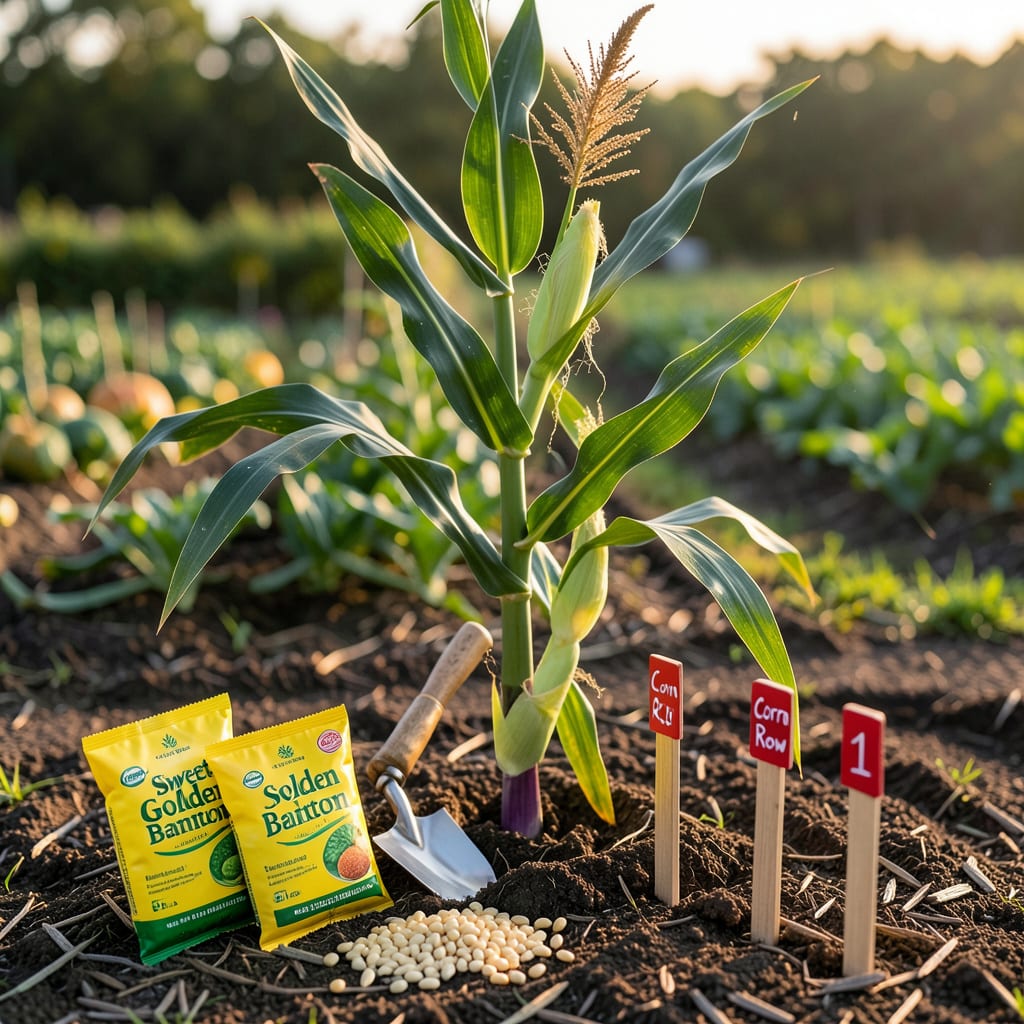
Timing your corn planting in Zone 8 can mean the difference between a bountiful harvest and a disappointing one. Plant too early, and a late frost might wipe out your seedlings; wait too long, and summer’s scorching heat could stunt those golden kernels before they even form.
After years of testing and tweaking, I’ve nailed down the perfect windows for both spring and fall plantings—so you can enjoy sweet, juicy 🌽 all season. Let’s break down exactly when to get those seeds in the ground for the best results.
If you’re growing corn in USDA Zone 8, timing is your secret weapon. Plant too early, and a late frost might wipe out your seedlings. Wait too long, and summer’s scorching heat could stress your plants before they even tassel. The sweet spot? 2–3 weeks after your last frost date, when soil temps hit 60°F (15°C).
In most of Zone 8, that means mid-March to early April for spring planting. But don’t pack away your seeds just yet—Zone 8’s long growing season also allows for a fall crop. Plant again in late July to early August for a second harvest before the first frost arrives in mid-November.
| Season | Planting Window | Harvest Time | Key Notes |
|---|---|---|---|
| Spring | Mid-March to early April | June–July | Aim for soil temps ≥60°F. Use black plastic mulch to warm soil faster. |
| Fall | Late July–early August | October–November | Choose fast-maturing varieties (60–70 days). Avoid planting after August 10. |
Pro Tip: Coastal Zone 8 areas (like Savannah or Seattle) can plant 1–2 weeks earlier than inland regions (e.g., Dallas or Tucson) due to milder winters.
Soil temperature is your best friend here. I always use a soil thermometer to check depths of 2–4 inches. If it’s below 55°F (13°C), corn seeds will rot before germinating. No thermometer? Watch for dandelions blooming—that’s nature’s signal that soil is warm enough for corn.
For spring planting, I recommend starting seeds indoors 2–3 weeks before transplanting if you’re eager for an early harvest. But be cautious: corn doesn’t love being transplanted. Use biodegradable pots to minimize root disturbance. Direct sowing is ideal, though, since corn grows fast once conditions are right.
If you’re planting a fall crop, timing is even more critical. Count backward from your first frost date (around November 15 in Zone 8) and add 10–14 days for harvest flexibility. For example, if you’re growing ‘Golden Bantam’ (85 days to maturity), plant by August 1 to harvest before frost.
Microclimates matter in Zone 8. Inland areas like Central Texas or Arizona’s low desert can plant earlier (late February) due to warmer soils, while coastal Pacific Northwest gardeners should wait until early April to avoid damp, chilly soil. When in doubt, call your local cooperative extension office for hyper-local advice.
For those who follow lunar planting, aim to sow corn during the waxing moon (between new and full moon) in fertile zodiac signs like Cancer, Scorpio, or Pisces. While not scientifically proven, many gardeners swear by this method for stronger germination. I’ve had great luck with it—but always prioritize soil temps first!
Succession planting is your ticket to a longer harvest. In Zone 8, you can stagger plantings every 10–14 days until early June for spring crops. For fall, stick to a single planting—later sowings risk frost damage. Pair early varieties like ‘Early Sunglow’ (60 days) with mid-season types such as ‘Silver Queen’ (80 days) for a steady supply.
Remember, corn is wind-pollinated, so plant in blocks of at least 4 rows (not single long rows) to ensure good kernel fill. Spacing matters too: 12–18 inches apart in rows 30–36 inches apart. Crowded plants compete for nutrients and water, leading to sparse ears. Thin seedlings to the strongest plant if multiple sprout from one seed.
Finally, keep an eye on the 10-day forecast before planting. If nighttime temps are dipping below 50°F (10°C), hold off. Corn seedlings can handle a light frost, but prolonged cold will stunt growth. Use row covers if a surprise cold snap is predicted—just remove them once temps rise to avoid overheating.
Even with perfect timing, small mistakes can derail your corn harvest in Zone 8. I’ve seen gardeners lose entire crops to avoidable errors—like planting in cold soil or ignoring pollination needs. Let’s tackle the top five pitfalls so your corn thrives, not struggles.
First up: planting too early. Zone 8’s mild winters can trick you into sowing seeds in February, but soil temps below 55°F (13°C) spell disaster. Corn seeds rot in cold, wet ground. Always check with a soil thermometer—or wait until dandelions bloom naturally.
Quick Fix: Use black plastic mulch to warm soil faster in spring and row covers to protect fall seedlings from early chills.
Another common blunder? Ignoring pollination. Corn relies on wind to spread pollen from tassels to silks. Planting in single long rows means poor pollen distribution and patchy ears. Instead, arrange plants in square blocks (at least 4 rows) to maximize cross-pollination.
Overcrowding is a silent yield killer. When seeds are too close, plants compete for water, sunlight, and nutrients, resulting in stunted stalks and small ears. Stick to 12–18 inches between plants and 30–36 inches between rows. Thin seedlings ruthlessly if multiples sprout from one seed.
Water management makes or breaks your harvest, especially during tasseling and silking. Corn needs 1–1.5 inches of water weekly, and drought stress during pollination causes missing kernels. I use a drip irrigation system on a timer to keep moisture consistent. Avoid overhead watering in evening to prevent fungal diseases.
Finally, don’t miss the fall planting window. Zone 8’s long season allows for a second crop, but timing is tight. Plant by early August and choose fast-maturing varieties (60–70 days). Late plantings risk frost damage before ears mature. I like ‘Early Sunglow’ or ‘Quickie’ for fall harvests.
Bonus tip: Skip the pesticide sprays unless you spot actual pests. Corn’s natural height deters many bugs, and sprays can harm beneficial pollinators. Instead, handpick corn earworms and use neem oil for minor infestations. Healthy plants in proper spacing resist pests better than crowded, stressed ones.
Zone 8’s 245-day growing season gives you the luxury of choosing from early, mid-season, and late-maturing corn varieties. But not all corn thrives equally in our humid subtropical climate. Picking the right type ensures you harvest plump, sweet kernels before heat or frost can ruin them.
For spring planting, I love starting with early varieties like ‘Early Sunglow’ (60 days) or ‘Quickie’ (65 days). These fast growers beat the summer heat, which can make corn starchier. They’re perfect for succession planting every 2 weeks until early June for a steady supply.
| Variety | Days to Maturity | Best For | Key Traits |
|---|---|---|---|
| Early Sunglow | 60 days | Spring/Fall | Sweet, tender, heat-tolerant |
| Silver Queen | 80 days | Spring | Classic sweetness, disease-resistant |
| Ambrosia | 75 days | Spring | Extra-sweet, great for fresh eating |
| Country Gentleman | 90 days | Spring | Heirloom, shoepeg-type kernels |
| Luscious | 78 days | Spring/Fall | Bicolor, tender, drought-tolerant |
Pro Tip: For fall planting, stick to varieties under 70 days to ensure harvest before frost. ‘Quickie’ and ‘Early Sunglow’ are my top picks.
Mid-season varieties like ‘Silver Queen’ (80 days) or ‘Ambrosia’ (75 days) shine in Zone 8’s spring plantings. They handle heat better than late-season types but still deliver that classic sweet corn flavor. I plant these in early April for a July harvest when summer sweetness is at its peak.
If you’re craving heirloom flavors, try ‘Country Gentleman’ (90 days). Its irregular shoepeg kernels are a conversation starter, and the rich, corny taste is unmatched. Just be sure to plant it by mid-April to avoid late-summer heat stress, which can toughen the kernels.
For fall plantings, ‘Luscious’ (78 days) is a standout. This bicolor variety handles cooler nights well and resists common diseases like rust and leaf blight. Plant by July 20 to harvest before the first frost. Pair it with ‘Quickie’ for a colorful fall corn medley.
No matter which variety you choose, remember that Zone 8’s humidity can encourage fungal diseases. Opt for disease-resistant hybrids like ‘Silver Queen’ or ‘Ambrosia’ to minimize issues. Proper spacing (12–18 inches apart) and morning watering also help keep foliage dry and healthy.
Wait until soil temperatures reach at least 60°F (15°C), typically mid-March to early April. Planting earlier risks seed rot in cold, wet soil. Use a soil thermometer or watch for blooming dandelions as a natural indicator.
Summer planting isn’t ideal due to extreme heat, but you can plant a fall crop in late July to early August. Choose fast-maturing varieties (60–70 days) and ensure they’ll mature before the first frost in mid-November.
Use row covers or cloches to shield young plants if a late frost is forecasted. Remove covers during the day to prevent overheating. Avoid planting before the last frost date (March 15 in most of Zone 8).
Plant seeds 1–2 inches deep, 12–18 inches apart in rows spaced 30–36 inches apart. For better pollination, arrange plants in blocks of 4+ rows instead of single long rows. Crowding reduces yield.
Opt for disease-resistant hybrids like ‘Silver Queen’ or ‘Ambrosia’, which handle humidity well. For fall planting, try ‘Luscious’ (78 days) or ‘Quickie’ (65 days) to beat the frost.
