
Beautiful Plants For Your Interior
Beautiful Plants For Your Interior
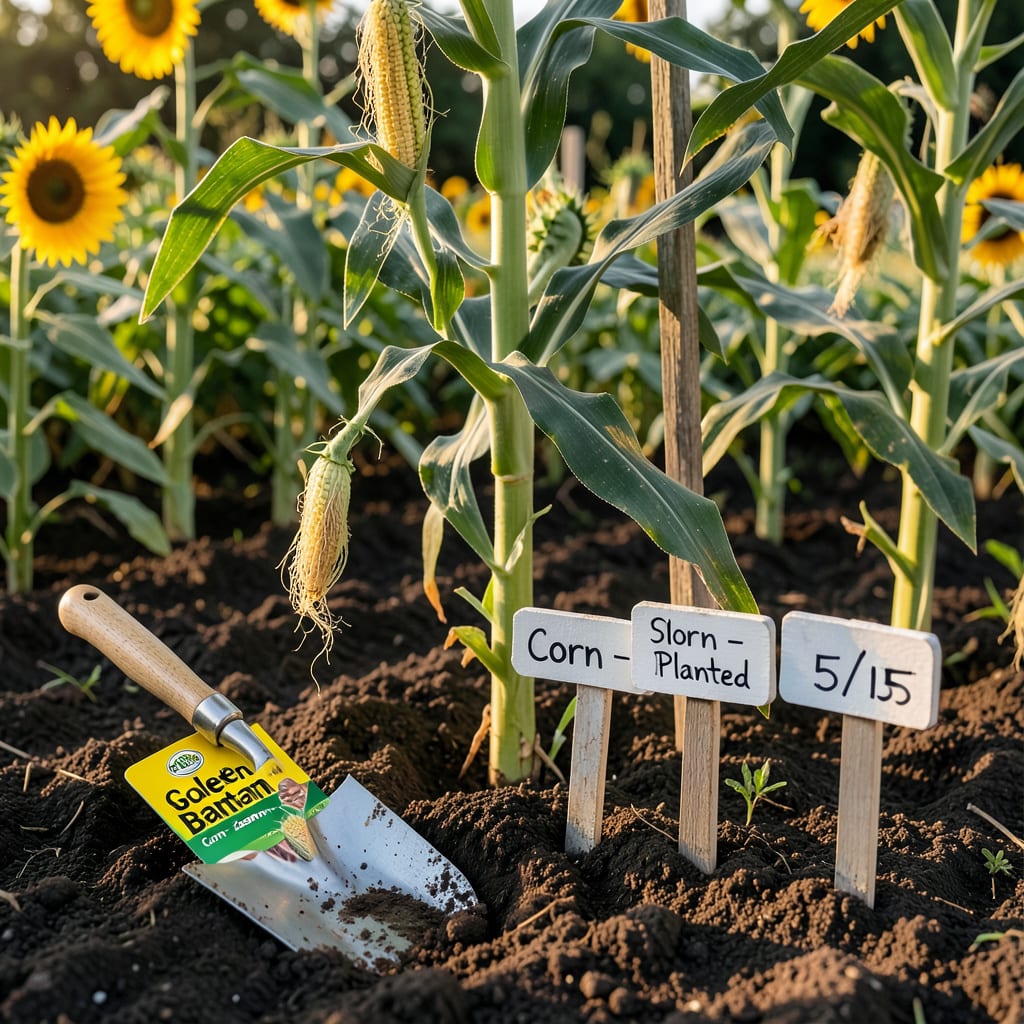
Timing your corn planting in Zone 6 can mean the difference between a bountiful harvest and a disappointing one. That 50°F soil temperature threshold isn’t just a suggestion—it’s the make-or-break factor for germination success.
I’ve seen too many gardeners rush to plant in early spring, only to watch their seeds rot in cold ground. Let me show you exactly when to plant your 🌽 for the sweetest, juiciest kernels—without the guesswork. We’ll cover the precise windows and pro tips to avoid costly mistakes.
If you’re eager to sink your hands into the soil and plant sweet corn in Zone 6, timing is your secret weapon. I’ve seen too many gardeners rush the process, only to watch their seeds rot in cold ground. The magic happens when your soil temperature hits that perfect range—not too soon, not too late.
In Zone 6, we’re lucky to have a 180-day frost-free window, but corn won’t thrive if the soil is chilly. Aim for soil temps between 55°F and 60°F—this is where germination rates skyrocket. Air temperature can fool you, so always grab a soil thermometer before planting.
| Requirement | Specification |
|---|---|
| Last Frost Date | April 15 |
| Ideal Soil Temp | 55°F–60°F (13°C–16°C) |
| Planting Window | Late April–Early June |
| Germination Time | 7–10 days at 60°F |
| Depth & Spacing | 1–2″ deep, 4–6″ apart |
| Sunlight Needs | 6–8+ hours daily |
Here’s the kicker: soil warms slower than air. Even if daytime temps hit 70°F, your soil might still be lingering in the 40s. I use a black plastic mulch to speed things up—it can boost soil temps by 5–10°F in just a few days. Lay it down 2–3 weeks before planting to pre-warm your beds.
If you’re itching to get started earlier, consider pre-sprouting seeds indoors. Place them in damp paper towels for 3–4 days until they sprout tiny roots, then transplant carefully. This trick shaves a week off your timeline but requires gentle handling to avoid shocking the roots.
Watch out for late frosts—Zone 6 can throw curveballs until mid-May. If a cold snap threatens after planting, cover young seedlings with frost blankets or inverted buckets. Corn is frost-tender, and even a light freeze can wipe out your patch overnight.
For succession planting, I stagger my corn every 2 weeks until early June. This ensures a continuous harvest from July through September. Early varieties like ‘Early Sunglow’ (60 days) are perfect for Zone 6’s shorter season, while ‘Silver Queen’ (90 days) needs an early start.
Pro tip: Plant in blocks, not rows. Corn is wind-pollinated, and tight blocks (at least 4 rows side by side) improve pollination rates dramatically. Poor pollination = missing kernels, so don’t skimp on spacing or layout.
Finally, test your soil pH—corn thrives in 6.0–6.8. If it’s too acidic, work in lime a few weeks before planting. Too alkaline? Add sulfur or peat moss. A simple test kit from your local nursery takes the guesswork out.
Remember, corn is a heavy feeder. Mix in aged compost or a balanced fertilizer (10-10-10) at planting. Once plants hit knee-high, side-dress with nitrogen-rich fertilizer to fuel those towering stalks and plump ears.
By nailing these details, you’ll be biting into juicy, homegrown corn by midsummer. Trust me, nothing beats the taste of ears picked fresh from your garden—just don’t forget to plant enough to share (or hide your stash)! 🌽
Even experienced gardeners can sabotage their corn harvest with simple oversights. In Zone 6, where spring weather swings from frosty to balmy overnight, these mistakes are especially costly. Let me walk you through the top three pitfalls I see—and how to sidestep them.
First up: planting in cold soil. Corn seeds need warmth to germinate, and cold soil spells disaster. If your soil thermometer reads below 50°F, those seeds will rot before they sprout. Patience pays off—wait for consistent 55°F+ soil temps before planting.
Next, overcrowding your plants is a silent harvest killer. Corn relies on wind for pollination, and cramped plants can’t share pollen effectively. I’ve seen entire patches with half-empty ears because the rows were too far apart. Stick to 4–6″ between plants and group rows in blocks.
Finally, watering inconsistently during critical stages sabotages your harvest. Corn needs steady moisture, especially when tassels form and ears develop. Let the soil dry out then, and you’ll get ears with missing kernels. A drip irrigation system on a timer saves me every summer.
Bonus tip: Skipping soil prep is another common error. Corn is a heavy feeder—it needs rich, well-draining soil. Work in 2–3 inches of compost before planting, and side-dress with nitrogen when plants hit knee-high. Yellowing leaves mid-season? That’s your cue to fertilize.
Remember, corn grows fast—up to 2 inches per day in ideal conditions! But that rapid growth demands consistent care. Mark your calendar for side-dressing (when plants are 6″ tall and again at tasseling) and pest patrols (watch for corn earworms in July).
By avoiding these missteps, you’ll be rewarded with plump, sweet ears all summer. And if you nail the timing from our first section, you’re already halfway to corn success! 🌽
Choosing the right corn variety can make or break your Zone 6 harvest. With our 180-day growing season, you’ve got room to play with early, mid, and late varieties—but timing is everything. I’ve tested dozens of types, and the winners all share one trait: they’re perfectly matched to our climate’s quirks.
For early harvests, focus on varieties that mature in 60–75 days. These let you beat the heat and avoid late-season pests. My go-to is ‘Early Sunglow’—it’s ready in just 62 days, with incredibly sweet kernels that hold their flavor longer than most early types.
| Variety | Days to Maturity | Best For | Flavor Profile |
|---|---|---|---|
| Early Sunglow | 62 days | Early planting | Extra sweet, tender |
| Sugar Buns | 72 days | Container growing | Buttery, crisp |
| Ambrosia | 75 days | Succession planting | Super sweet, juicy |
| Silver Queen | 92 days | Late summer harvest | Classic corn flavor |
| Peaches & Cream | 80 days | Colorful plates | Sweet white & yellow |
For mid-season planting, I love ‘Ambrosia’—it’s disease-resistant and holds its sweetness well. Plant it in late May for a July harvest. If you’re tight on space, ‘Sugar Buns’ thrives in containers and still delivers full-sized ears.
Want to stretch your harvest into fall? Try ‘Silver Queen’, a late-season classic. Plant it by early June for September ears. Just watch for corn earworms—they’re more active in late summer. I use mineral oil drops on silks to deter them naturally.
For succession planting, stagger your varieties every 2 weeks. Start with ‘Early Sunglow’ in late April, follow with ‘Ambrosia’ in mid-May, and finish with ‘Silver Queen’ by early June. This gives you fresh corn from July through September without gaps.
Remember, color matters too! ‘Peaches & Cream’ offers both white and yellow kernels on the same ear—perfect for adding visual appeal to your meals. All these varieties are open-pollinated, so you can save seeds for next year if you’re into seed saving.
Late April is your earliest safe window, but soil temperature is the real decider. Use a thermometer to confirm it’s at least 55°F before planting. Early planting risks frost damage, so keep frost blankets handy until mid-May.
Lay black plastic mulch 2-3 weeks before planting to boost soil temps by 5-10°F. You can also use raised beds, which warm faster than ground soil. Avoid clear plastic—it promotes weeds instead of warming.
Late planting (after early June) risks incomplete maturation before fall frosts. Ears may be smaller or fail to fill completely. Stick to early-maturing varieties like ‘Early Sunglow’ if planting after May 31.
Stagger plantings every 2 weeks using varieties with different maturity dates. Start with ‘Early Sunglow’ (62 days), then ‘Ambrosia’ (75 days), finishing with ‘Silver Queen’ (92 days). This extends harvests from July through September.
This usually indicates poor pollination. Plant in blocks of 4+ rows (not single rows) for better wind pollination. Stress from drought or heat during tasseling also causes this—maintain consistent moisture.
