
Beautiful Plants For Your Interior
Beautiful Plants For Your Interior
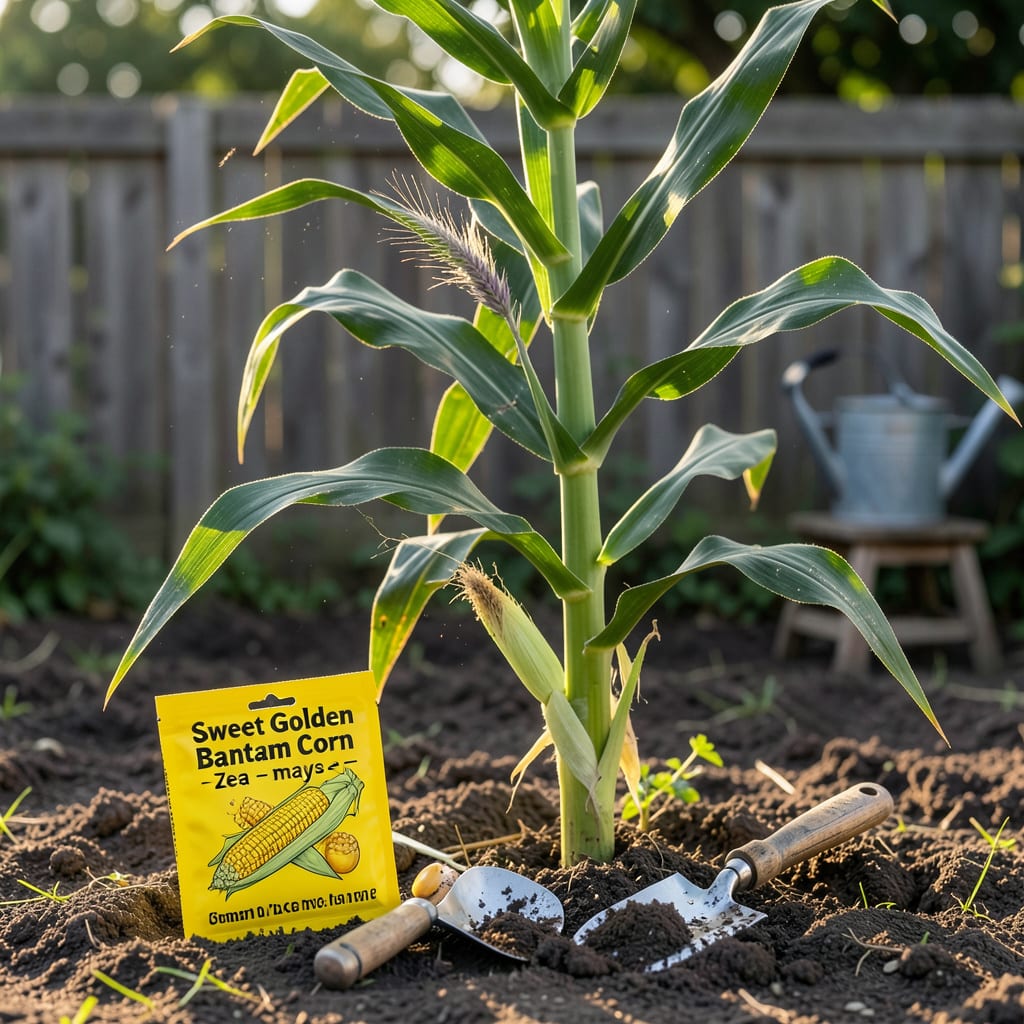
There’s nothing like biting into a juicy ear of homegrown Wisconsin corn—sweet, crisp, and bursting with flavor. But nailing that perfect harvest starts long before summer. Plant too early, and a late frost could wipe out your crop; wait too long, and you’ll miss the prime growing window.
After years of testing (and a few failed batches), I’ve cracked the code for Zone 5 success. Whether you’re in Madison’s warmer pockets or up north near Green Bay, I’ll show you exactly when to get those seeds in the ground—and how to set them up for a bountiful season.
If you’re dreaming of juicy sweet corn this summer, Wisconsin’s Zone 5 climate demands precise timing. Plant too early, and a late frost could wipe out your crop. Wait too long, and your corn won’t mature before fall’s first chill. The key? Soil temperature—not just calendar dates.
In southern Wisconsin (think Madison or Milwaukee), you can often start planting late April to early May. But up north near Green Bay or Wausau, wait until mid-to-late May when soil warms to at least 50°F (ideally 60°F+).
| Region | Planting Window | Last Frost Date | Soil Temp Threshold |
|---|---|---|---|
| Southern WI (Madison, Milwaukee) | Late April – May 10 | May 1 | 55°F+ |
| Central WI (Wausau, Stevens Point) | Early – Mid May | May 10 | 58°F+ |
| Northern WI (Green Bay, Rhinelander) | Mid – Late May | May 15 | 60°F+ |
Pro Tip: Use a soil thermometer to check temps at 2-inch depth in the morning for accuracy.
For early-season varieties like ‘Bodacious’ (75 days), you can push planting 7–10 days earlier than standard types. But if you’re growing ‘Ambrosia’ (85 days), stick to the later end of your region’s window. Succession planting every 2 weeks extends your harvest into early fall.
Wisconsin’s clay-heavy soils warm slower than sandy loam, so I recommend black plastic mulch to speed things up. Lay it down 2–3 weeks before planting to boost soil temps by 5–10°F. This trick lets me plant 1–2 weeks earlier in my Madison garden.
Watch the 10-day forecast before planting. If nighttime temps dip below 50°F, hold off. Corn seeds rot in cold, wet soil. I once lost an entire row to a late April cold snap—lesson learned! Use row covers if you must plant early.
For urban gardeners in Milwaukee or Madison, microclimates near buildings or pavement can create warmer pockets. Test soil temps in multiple spots—you might find a warmer microzone that allows earlier planting. Just avoid low-lying areas where frost lingers.
If you’re near Lake Michigan, your season starts 1–2 weeks earlier thanks to the lake’s moderating effect. Gardeners in Door County can often plant alongside southern WI timelines. But inland areas like Eau Claire should follow central WI dates.
Remember: Corn is wind-pollinated, so plant in blocks of at least 4 rows (not a single long row) for good kernel fill. Spacing matters too—12–15 inches apart in rows 30–36 inches wide. Overcrowding leads to sparse ears.
Finally, mark your calendar for harvest timing. Most varieties need 70–90 days from planting. In southern WI, that means July–August harvests; up north, aim for late August–September. Check silks—they should be brown and dry when ears are ready!
Even with perfect timing, small errors can sabotage your Wisconsin corn crop. I’ve seen gardeners lose entire patches to preventable mistakes—like planting in chilly soil or skipping pollination planning. Let’s fix that before you even pick up your seeds.
First, never plant corn when soil temps dip below 50°F. Corn seeds rot in cold, wet ground, and Wisconsin’s spring can be deceivingly chilly. I learned this the hard way after a late April planting turned into a mushy disaster. Always use a soil thermometer!
Pro Tip: If you must plant early, use row covers to protect seedlings from late frosts.
Another common blunder is ignoring Wisconsin’s heavy clay soils. Corn thrives in well-draining, fertile ground, but our native soil often stays soggy. Amend beds with compost or aged manure before planting to improve drainage and add nutrients.
Many gardeners also underestimate corn’s water needs. During tasseling and silking, plants demand 1–1.5 inches of water weekly. Skimp on irrigation, and you’ll get stunted ears with missing kernels. I set up drip irrigation on a timer to keep moisture consistent.
Finally, don’t forget succession planting! Planting all seeds at once gives you a single harvest window. Instead, sow a new batch every 2 weeks until early June. This staggers maturity, so you’re picking fresh corn for 6–8 weeks straight instead of all at once.
If you’re growing super-sweet varieties like ‘Ambrosia,’ avoid planting near field corn. Cross-pollination makes kernels starchy instead of sweet. Keep varieties 250+ feet apart or plant them 2+ weeks apart to prevent mixing.
By dodging these top 3 mistakes, you’ll set your Wisconsin corn up for plump, juicy ears all summer. Next, let’s talk about the best varieties for our short growing season—because not all corn thrives in Zone 5! 🌽
Wisconsin’s short growing season means not all corn varieties thrive here. You need fast-maturing types that reach harvest in 70–85 days. After testing dozens, I’ve narrowed it down to the top 5 winners for Zone 5 gardens—each balancing sweetness, cold tolerance, and reliability.
The star of my garden? ‘Bodacious’ (75 days), a sugar-enhanced hybrid with plump, tender kernels and excellent disease resistance. It handles Wisconsin’s cool springs better than most, and the 12-inch ears are perfect for grilling. For super-sweet lovers, ‘Ambrosia’ (78 days) delivers extra-sweet kernels that stay tender longer.
| Variety | Days to Harvest | Kernel Type | Best For |
|---|---|---|---|
| Bodacious | 75 | Sugar-enhanced | Early planting, disease resistance |
| Ambrosia | 78 | Super-sweet | Longer sweetness, freezing |
| Luscious | 73 | Sugar-enhanced | Cold soils, early harvest |
| Peaches & Cream | 80 | Bicolor | Unique flavor, home gardens |
| Early Sunglow | 65 | Standard sweet | Shortest season, northern WI |
Pro Tip: For northern Wisconsin, stick to varieties under 75 days to beat early frost.
For northern Wisconsin gardeners, ‘Early Sunglow’ (65 days) is a lifesaver. It’s the fastest-maturing option here, producing 6-inch ears even in cool summers. If you love colorful kernels, ‘Peaches & Cream’ (80 days) offers white and yellow bicolor sweetness—just plant it 2 weeks earlier than other varieties.
‘Luscious’ (73 days) is my pick for clay-heavy soils because it tolerates cooler, wetter conditions better than most. Its tender texture makes it ideal for eating fresh. For freezing or canning, ‘Ambrosia’ holds its sweetness and crispness longer after picking.
When choosing seeds, check the “days to maturity” on the packet and subtract 10 days for Wisconsin’s cooler climate. For example, an 80-day variety here often needs 90 days. I always add row covers for the first 2–3 weeks to protect young plants from chilly nights.
Remember: Corn is heavy feeder. Work compost or 10-10-10 fertilizer into the soil before planting, then side-dress with nitrogen when plants are knee-high. This boosts ear size and kernel fill, especially in our short season. Now, go pick your favorite and get planting! 🌽
In southern regions like Madison or Milwaukee, you can start as early as late April if soil temps hit 55°F+. Use a soil thermometer to check at 2-inch depth in the morning for accuracy.
If nighttime temps still dip below 50°F, hold off or use row covers to protect young plants. Black plastic mulch can also warm soil 5–10°F faster.
Invest in a soil thermometer—they’re cheap and save guesswork. Stick it 2 inches deep at 9 AM for the most accurate reading. Corn needs 60°F+ for best germination.
If your soil is below 50°F, seeds may rot. Try laying black plastic over the bed 2–3 weeks before planting to speed warming.
Avoid mixing super-sweet (like ‘Ambrosia’) with standard sweet types. Cross-pollination makes kernels starchy instead of sweet. Keep varieties 250+ feet apart or plant 2+ weeks apart.
For small gardens, stick to one variety or use physical barriers like tall plants between rows to block pollen drift.
Up north (like Green Bay or Rhinelander), aim for mid-to-late May. For fast-maturing varieties like ‘Early Sunglow’ (65 days), you can push to early June if needed.
Check your first frost date—count backward 70–90 days to find your latest safe planting window. Row covers extend the season by 2–3 weeks.
Keep soil evenly moist but not soggy. Water 1 inch per week (including rain), increasing to 1.5 inches during tasseling/silking. Drip irrigation works best to avoid wetting leaves.
Morning watering reduces evaporation and fungal risks. Mulch with straw or grass clippings to retain moisture in Wisconsin’s clay-heavy soils.
