
Beautiful Plants For Your Interior
Beautiful Plants For Your Interior
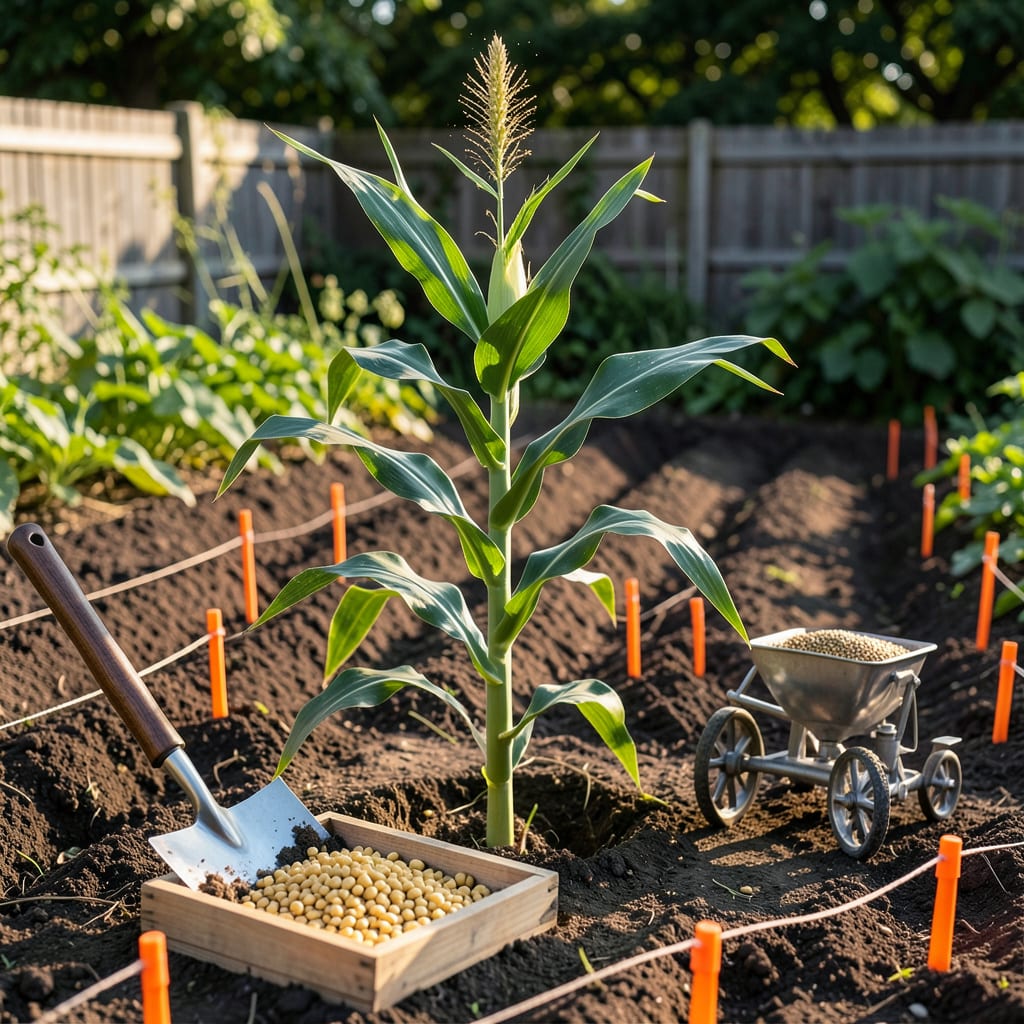
Timing your corn planting in Virginia can mean the difference between a bountiful harvest and a disappointing yield. Plant too early, and late frosts might wipe out your seedlings; wait too long, and summer heat could stress your plants before they mature.
After years of testing and adjusting, I’ve found the perfect window for Virginia’s climate—especially in Zone 7a. Let’s break down exactly when to get those seeds in the ground for sweet, juicy 🌽 that thrives in our unpredictable springs and summers.
Virginia’s diverse climate means your corn planting window varies dramatically from the coastal plains to the mountainous west. The key is timing it around your last frost date—but soil temperature matters just as much. Corn seeds won’t germinate well below 50°F, and ideal growth happens at 60–85°F.
In most of Virginia (Zones 6a–8a), you’ll want to plant 2–3 weeks after the last frost. For Zone 7a, that’s typically mid-April to early May. But if you’re in the mountains, you might need to wait until late May. Let’s break it down by region so you can plan with confidence.
| Region | USDA Zone | Last Frost Date | Ideal Planting Window | Soil Temp Requirement |
|---|---|---|---|---|
| Coastal Plain | 7b–8a | March 28–April 10 | Early to mid-April | 55°F+ |
| Piedmont | 6b–7a | April 10–20 | Mid-April to early May | 60°F+ |
| Mountains | 5b–6a | April 20–May 10 | Late April to mid-May | 60°F+ |
If you’re in the Coastal Plain (think Norfolk or Virginia Beach), you can start as early as April 1st if the soil is warm enough. Use a soil thermometer to check—don’t guess! In the Piedmont (Richmond, Charlottesville), aim for April 15–30 for sweet corn.
For mountain gardeners (Roanoke, Blacksburg), patience is key. Wait until late April or early May to avoid late frosts. If you’re eager to start earlier, use black plastic mulch to warm the soil or try cold-tolerant varieties like ‘Early Sunglow’.
Don’t forget about succession planting! For a continuous harvest, plant a new batch every 10–14 days until early June. This works especially well in warmer regions like the Coastal Plain, where the growing season is longer.
If you’re growing field corn (for animal feed or decor), you can plant slightly later—up to early June—since it’s more heat-tolerant. But for sweet corn, stick to the earlier windows to avoid stunted growth from summer heatwaves.
Pro tip: Watch the 10-day forecast before planting. If nighttime temps are still dipping below 50°F, hold off. Corn seeds rot easily in cold, wet soil. I’ve lost entire plantings by rushing—learn from my mistakes!
For urban gardeners in places like Arlington or Alexandria, microclimates can create warmer pockets. If your garden is near pavement or a south-facing wall, you might plant 1–2 weeks earlier than the general guidelines.
Finally, always prepare your soil before planting. Work in 2–3 inches of compost and ensure good drainage. Corn is a heavy feeder, so a balanced fertilizer (like 10-10-10) at planting time gives it a strong start.
Now that you’ve got the timing down, let’s talk about what else impacts your corn’s success—like soil moisture, pest pressure, and even moonlight phases (yes, really!). But first, grab a calendar and mark those dates!
Planting corn in Virginia isn’t just about picking a date—it’s about reading the soil, weather, and even the moon. After years of trial and error, I’ve learned that five key factors can make or break your harvest. Let’s dig into what really matters beyond the calendar.
First, soil temperature trumps air temperature. Even if the air feels warm, corn seeds need consistent 60°F soil to germinate properly. I use a cheap soil thermometer to check—it’s saved me from many failed plantings! 🌡️
Virginia’s unpredictable spring rains can delay planting. If your soil is waterlogged, wait for it to dry slightly—corn hates “wet feet.” I once planted in muddy soil, and half my seeds rotted. Lesson learned!
For coastal gardeners, salt spray and humidity create unique challenges. If you’re near the ocean (like Virginia Beach), watch for higher soil salinity. Test your soil and amend with gypsum if needed before planting.
Mountain gardeners face the opposite problem—cool nights that linger into May. If you’re above 2,000 feet, consider row covers to trap heat. Remove them once plants reach 6 inches tall to allow pollination.
Here’s a pro trick: Pre-warm your soil with black plastic mulch 2–3 weeks before planting. This can give you a 10–14 day head start in cooler zones. Just cut slits for seeds when ready!
Finally, don’t ignore pollen timing. Corn is wind-pollinated, so plant in blocks (at least 4 rows) rather than single rows. This ensures good pollen spread. I learned this the hard way with sparse, poorly-filled ears! 🌾
Even with perfect timing, small mistakes can sabotage your Virginia corn crop. I’ve made (and learned from!) every error on this list. The good news? They’re all easily avoidable with a little know-how. Let’s save you from the heartbreak of stunted plants or empty cobs.
The biggest rookie mistake is planting in cold, wet soil. Corn seeds rot at temps below 50°F, and Virginia’s spring rains often create soggy conditions. Always check soil temp with a thermometer—60°F is ideal for germination. 🌡️
Another common issue is misjudging Virginia’s growing season. While we have 180 frost-free days in Zone 7a, corn varieties differ. Early types (like ‘Early Sunglow’) mature in 60 days, while maincrop varieties need 80–100 days. Always check your seed packet!
Don’t overlook soil preparation. Corn is a heavy nitrogen feeder. Before planting, work in 2–3 inches of compost and a balanced fertilizer (10-10-10). I add a handful of bone meal in each planting hole for extra phosphorus—it boosts root development.
Watering mistakes wreck more corn crops than pests do. Virginia’s summers get hot and dry, but corn needs consistent moisture. Aim for 1–2 inches per week, watering deeply 2–3 times rather than daily light sprinkles. Drip irrigation works best to avoid wetting leaves (which invites fungus).
Finally, watch for pest pressure. In Virginia, cutworms and corn earworms are the biggest threats. Use collars around seedlings (toilet paper rolls work!) and apply Bt spray when silks appear. I lost half my crop one year by ignoring early earworm signs—don’t repeat my mistake! 🌿
Corn seeds need soil temperatures of at least 60°F to germinate properly. In Virginia, this typically occurs 2-3 weeks after the last frost. Use a soil thermometer to check—planting in cold soil often leads to rot.
It’s risky! While a warm March day might tempt you, Virginia’s unpredictable weather can bring late frosts. Even if seeds sprout, cold snaps can stunt growth. Wait until mid-April for most regions to be safe. Patience pays off with healthier plants.
Space seeds 12–18 inches apart in rows that are 30–36 inches apart. This ensures proper airflow and pollination. Planting too close reduces yield, while spacing too far wastes garden space. For blocks, aim for at least 4 rows for best results.
For sweet corn, don’t plant after early June in most regions. Later plantings risk poor pollination from summer heat and may not mature before fall. Field corn can go slightly later, but yields decrease. Always check your variety’s “days to maturity.”
Create protective collars using toilet paper rolls or cardboard strips around each seedling. Press them 1 inch into the soil at planting. For severe infestations, apply beneficial nematodes or diatomaceous earth. These pests peak in May, so be proactive!
