
Beautiful Plants For Your Interior
Beautiful Plants For Your Interior
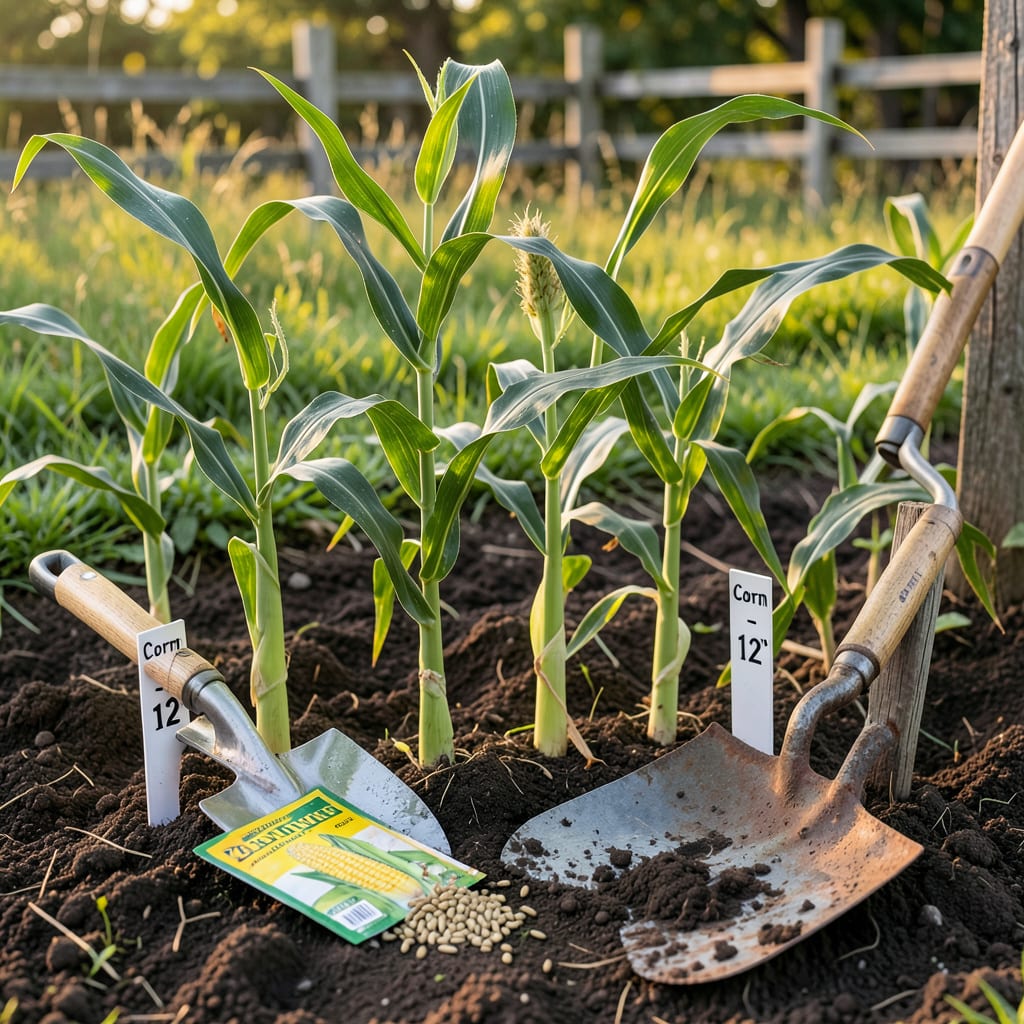
Timing your corn planting in Utah can mean the difference between a bountiful harvest and a disappointing one. With our state’s unpredictable springs and varying elevations, even a few days can make or break your crop.
I’ve spent years testing the perfect window for 🌽 corn in zones 5b-8a, and what I found might surprise you. Whether you’re in the Wasatch Front or southern Utah, I’ll show you exactly when to get those seeds in the ground for the sweetest, juiciest kernels of the season.
If you’ve ever bitten into a homegrown Utah sweet corn, you know nothing beats that crisp, sugary crunch. But here’s the catch: Utah’s diverse microclimates—from the Wasatch Front’s cool springs to St. George’s desert heat—mean planting dates vary wildly. Miss the window, and you’re stuck with stunted stalks or frost-bitten seedlings.
I’ve spent years testing soil temperatures and frost dates across Utah’s USDA zones 4–8, and the golden rule is simple: Never plant corn until your soil hits 60°F consistently. In Salt Lake City (Zone 7), that’s often mid-May, but up in Logan (Zone 5), you might wait until late May.
| USDA Zone | Utah Regions | Earliest Plant Date | Ideal Window | Last Frost Date | Frost Risk |
|---|---|---|---|---|---|
| 4–5 | Logan, Park City, Heber | May 15–20 | May 20–June 5 | May 30 | High (use row covers) |
| 6–7 | Salt Lake City, Provo, Ogden | April 25–May 5 | May 1–15 | May 10 | Moderate (watch for late frosts) |
| 8 | St. George, Moab, Cedar City | April 1–15 | April 10–25 | April 15 | Low (heat tolerance key) |
Here’s where Utah gardeners mess up most: assuming calendar dates trump soil temps. I’ve seen May 1 plantings in Zone 6 fail because a cold snap dropped soil temps to 50°F. Always check Utah State University’s frost maps for real-time data.
For high-altitude areas (think Park City or Alpine), add 2–3 weeks to your planting date. The short growing season here demands fast-maturing varieties like ‘Early Sunglow’ (65 days) or ‘Honey & Pearl’ (70 days). These thrive in 90-day windows and handle Utah’s temperature swings better than late-season giants.
In southern Utah, the challenge flips: scorching summers can stress corn during pollination. Plant early (April) to avoid July heatwaves, and mulch heavily to retain moisture. I use 4 inches of straw—it keeps roots cool and cuts watering needs by 30%.
Don’t overlook succession planting! For a continuous harvest, sow a new block of seeds every 10–14 days until early June. This staggers maturity so you’re not drowning in 50 ears at once. In Zone 7, I plant three rounds: May 1, May 15, and May 30.
If you’re in a wind-prone area (looking at you, Utah County), plant corn in blocks of 4+ rows instead of single rows. This cross-pollination boost improves kernel fill, and the dense stalks act as a windbreak. For extra protection, sink T-posts with burlap windbreaks on the prevailing wind side.
Remember, Utah’s clay soil drains poorly, so raised beds or mounded rows are your friends. Work in 2–3 inches of compost before planting to improve aeration. I also add 1 cup of balanced fertilizer (10-10-10) per 10-foot row at planting, then side-dress with nitrogen when stalks hit knee-high.
Finally, don’t skip the soil test! Utah’s soil often lacks nitrogen and zinc, both critical for corn. Grab a $20 test kit from your local USU Extension office, or DIY with a vinegar/baking soda pH test. Aim for a pH of 6.0–6.8—corn hates acidic soil.
Ready to plant? Grab your soil thermometer, mark those dates on your calendar, and get growing! For a printable Utah Corn Planting Cheat Sheet, click here to download my free guide with exact dates for your zip code. 🌱
Even with perfect planting dates, Utah gardeners often sabotage their corn crops without realizing it. After years of trial and error in my own Zone 7 garden, I’ve pinpointed the four biggest blunders that turn promising stalks into disappointing ears—or worse, no ears at all.
First up: ignoring soil temperature. I’ve seen eager gardeners plant corn in early April during a warm spell, only to watch seeds rot when temps plummet. Corn needs consistent 60°F+ soil—not just air temps—to germinate properly. 🌡️
Our heavy clay soil holds moisture like a sponge. Combine that with Utah’s intense sun, and you get a root-rotting disaster. The fix? Plant in mounded rows 6–8 inches high and water deeply but infrequently—1.5 inches weekly max.
The second mistake is planting single rows. Corn relies on wind pollination, and sparse plantings mean poor kernel development. I plant in blocks of at least 4 rows, spacing seeds 4–6 inches apart within rows and 30 inches between rows for optimal airflow.
Third, many Utah gardeners choose the wrong varieties for our short season. Skip the 100-day giants—they rarely mature here. Instead, opt for ‘Early Sunglow’ (65 days) or ‘Honey & Pearl’ (70 days). These thrive in Utah’s 150-day frost-free window and handle our temperature swings better.
The final pitfall? Neglecting wind protection. Utah’s spring winds can snap young stalks or prevent pollination. I use burlap windbreaks on the west side of my corn patch (prevailing wind direction) and plant sunflowers as a living barrier. For extra security, sink T-posts every 10 feet and tie twine between them.
One more pro tip: Don’t skip the side-dressing. Corn is a heavy nitrogen feeder, especially when stalks hit knee-high. I apply 1 cup of 10-10-10 fertilizer per 10-foot row at planting, then side-dress with blood meal or compost tea when tassels appear. This boosts ear size by up to 30% in my experience. 🌱
Not all corn thrives in Utah’s short growing season and variable climate. After testing dozens of varieties in my Zone 7 garden, I’ve narrowed it down to the top performers that deliver sweet, plump ears in 60–90 days. The secret? Choosing hybrids bred for cool nights and drought tolerance.
For high-altitude gardens (like Park City or Heber), focus on early-maturing varieties that can handle temperature swings. In southern Utah, prioritize heat-resistant types that won’t wilt under the scorching summer sun. Here’s my battle-tested shortlist:
| Variety | Days to Harvest | Kernel Type | Disease Resistance | Best For | Utah Zone Fit |
|---|---|---|---|---|---|
| Early Sunglow | 65 | Sweet (SU) | High (rust, smut) | High altitude, short seasons | 4–7 |
| Honey & Pearl | 70 | Bicolor (SE) | Moderate (common rust) | Wasatch Front, clay soil | 5–8 |
| Ambrosia | 75 | Extra-sweet (SH2) | High (multiple races) | Southern Utah heat | 6–8 |
| Golden Bantam | 80 | Heirloom (OP) | Low (needs rotation) | Organic gardens, pollinator-friendly | 5–7 |
| Peaches & Cream | 85 | Bicolor (SE+) | Moderate (earworm) | Longer seasons, sandy soil | 6–8 |
My personal favorite? Early Sunglow—it’s the earliest producer and handles Utah’s finicky springs like a champ. Last year, I harvested 12 ears per stalk in my Salt Lake City plot, even after a late-May frost. The kernels stay sweet for days after picking, unlike store-bought corn that turns starchy overnight.
For southern Utah gardeners, Ambrosia is a game-changer. Its SH2 genetics mean the sugar content is 3x higher than traditional corn, and it holds that sweetness even in 100°F heat. Just be sure to plant in partial shade if your summers hit 110°F+, and mulch with straw to keep roots cool.
If you’re growing in heavy clay soil (common in Utah County), Honey & Pearl is your best bet. Its strong root system breaks through compacted soil better than other varieties. I’ve had success with it in unamended clay by planting in 6-inch-high mounds and adding gypsum to improve drainage.
For organic gardeners, Golden Bantam is a must-try. This 1909 heirloom has stood the test of time for a reason: it’s disease-resistant, open-pollinated (save seeds!), and attracts beneficial pollinators. The only downside? It needs consistent moisture—drip irrigation works best in Utah’s arid climate. 💧
For Zones 4–5 (like Logan or Park City), wait until at least May 15–20 to avoid frost damage. Soil temps must stay above 60°F—use row covers if planting earlier.
Use a soil thermometer at 2-inch depth—readings should be 60°F+ for 3 consecutive days. Cold soil causes seeds to rot, so don’t guess!
Yes! Zone 8 areas (St. George, Cedar City) can plant as early as April 1–15. Just watch for late frosts and mulch to protect from summer heat.
Late planting (after early June) risks poor pollination from summer heat. Ears may be small or missing kernels. Stick to the May 1–15 window for best results.
Add 2–3 weeks to recommended dates for areas above 5,000 ft (like Park City). Choose fast-maturing varieties like ‘Early Sunglow’ (65 days).
