
Beautiful Plants For Your Interior
Beautiful Plants For Your Interior
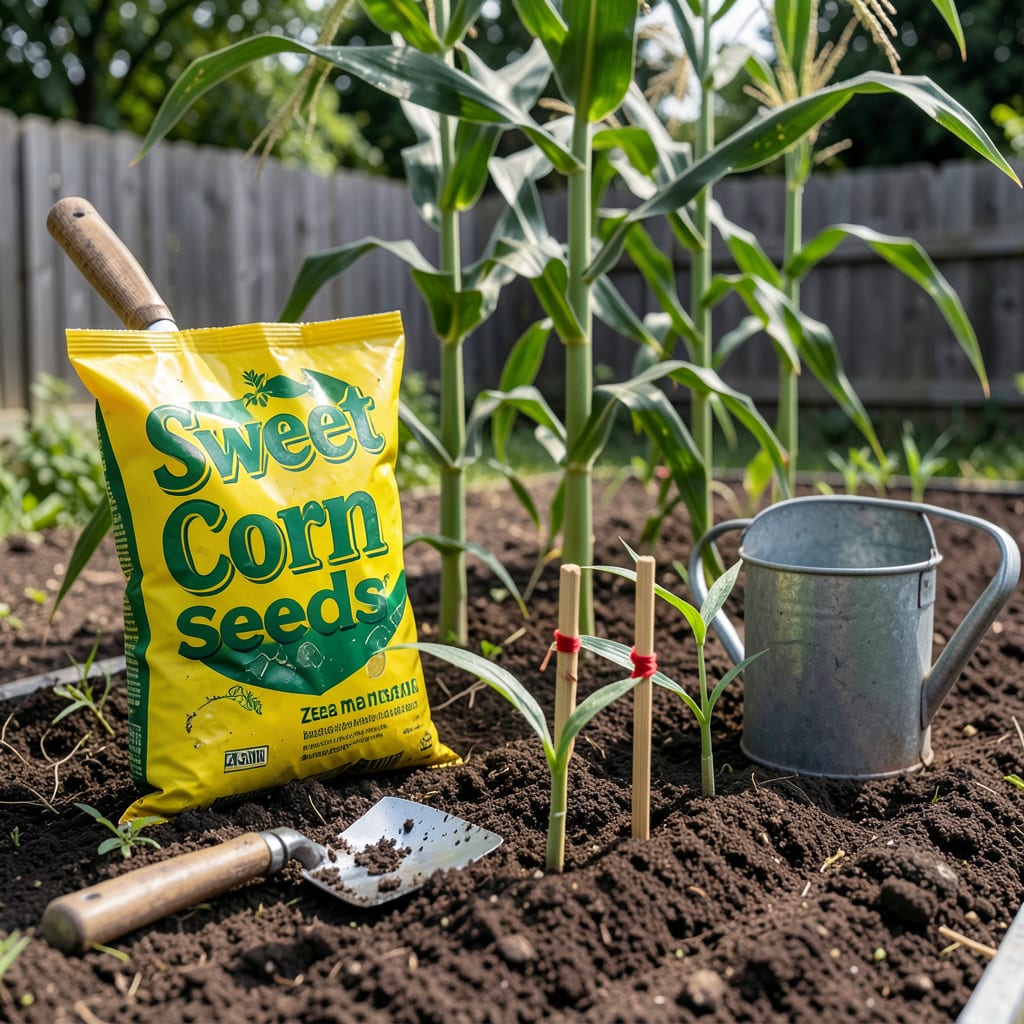
Timing is everything when it comes to growing perfect 🌽 corn in Tennessee. Plant too early, and frost might ruin your crop; wait too long, and the summer heat could stunt those golden ears before they even form.
After years of testing and talking to local farmers, I’ve nailed down the ideal window for Zone 7a—when the soil hits that sweet spot and the last frost is safely behind us. Stick with me, and I’ll show you exactly how to sync your planting with Tennessee’s unpredictable spring.
If you’re dreaming of juicy sweet corn this summer, timing your planting is everything in Tennessee. Our state’s three distinct regions—East, Middle, and West—each have microclimates that shift planting windows by weeks. The golden rule? Wait until soil temps hit 50°F and the last frost has passed.
In Zone 7a (where Nashville sits), you’ll want to aim for mid-April to early May. But if you’re in the cooler East Tennessee mountains, hold off until late April or early May. West Tennessee’s warmer climate lets you plant 2–3 weeks earlier than the highlands.
| Region | USDA Zone | Ideal Planting Window | Last Frost Date |
|---|---|---|---|
| West TN (Memphis) | 7b–8a | March 20–April 10 | March 15 |
| Middle TN (Nashville) | 7a–7b | April 1–April 20 | April 15 |
| East TN (Knoxville) | 6b–7a | April 15–May 5 | April 20 |
Pro Tip: Use a soil thermometer to confirm temps—don’t guess! Cold soil (<50°F) causes seeds to rot.
For early varieties like ‘Golden Bantam,’ you can push the envelope by 1–2 weeks. But late-maturing types (90+ days) need warmer soil, so stick to the mid-April–May window. I’ve seen farmers in Dyer County plant as early as March 15 with row covers!
Soil prep matters just as much as timing. Work in 2–3 inches of compost and ensure your plot gets full sun (6+ hours). Corn is a heavy feeder—skimp on nutrients, and you’ll get stunted ears or poor kernel fill.
Watch the 10-day forecast before planting. If nighttime temps dip below 50°F, hold off. A surprise frost can wipe out seedlings overnight. In 2021, I lost half my crop to a late April freeze—lesson learned!
For succession planting, try staggered sowings every 10–14 days until early June. This extends your harvest and avoids a glut of corn all at once. Just avoid planting after June 20—summer heat stresses pollen production.
If you’re in a river valley (like near the Cumberland), your microclimate may be warmer and wetter. Adjust by planting 5–7 days earlier than the table suggests. Higher elevations? Add a week to your timeline.
Don’t forget soil moisture! Corn seeds need consistent dampness to germinate but hate soggy ground. I use a drip irrigation system on a timer to keep things even. Mulch with straw to retain moisture and block weeds.
Finally, mark your calendar for harvest in 75–90 days. When the silks turn brown and kernels release milky liquid, it’s go time. Nothing beats the taste of corn picked at peak ripeness—just don’t wait too long, or it’ll turn starchy! 🌽
Planting corn isn’t just about picking the right date—it’s about understanding the five critical factors that make or break your harvest. I’ve learned the hard way that even perfect timing can fail if you ignore these elements. Let’s dive into what really matters beyond the calendar.
First up: soil temperature. Corn seeds won’t germinate well below 50°F, and they thrive at 60–65°F. I use a digital soil thermometer to check depths of 2–3 inches—no guesswork allowed! Cold soil leads to rot, while too-hot soil can dry out seeds before they sprout.
Pro Tip: Test soil pH (6.0–6.8) before planting. Acidic soil? Add lime 2 weeks prior.
Variety selection is your secret weapon. In West Tennessee, I plant ‘Ambrosia’ (75 days) for early harvests. For East Tennessee’s cooler springs, ‘Bodacious’ (85 days) handles the chill better. Always check the days-to-maturity label—match it to your frost-free window.
Soil moisture is a balancing act. Corn needs 1 inch of water weekly, but soggy soil suffocates roots. I set up drip irrigation on a timer for consistency. If you’re hand-watering, do it early morning to reduce evaporation. Straw mulch cuts water needs by 30% in my experience.
Don’t overlook microclimates. A south-facing slope in Middle Tennessee warms up faster than a shaded valley. I’ve seen corn planted on a hillside mature 10 days earlier than in low-lying areas. Use this to your advantage for staggered harvests—or avoid disappointment by adjusting your timeline.
Pest pressure spikes in Tennessee’s humidity. Corn earworms and raccoons can destroy a crop overnight. I swear by floating row covers until plants reach knee-high. For raccoons, try electric fencing or plant a sacrificial patch of early corn to distract them.
Finally, soil fertility is everything. Corn is a heavy nitrogen feeder. Work in aged compost before planting, then side-dress with 10-10-10 fertilizer when plants hit 12 inches tall. Skipping this step? Expect small, sparse ears. I learned this after my first sad harvest—never again! 🌱
Even experienced gardeners can sabotage their corn crop with simple oversights. I’ve made my fair share of mistakes—like planting too early or skipping soil prep—and learned the hard way how these errors slash yields. Let’s tackle the top blunders Tennessee growers make so you can sidestep them.
The biggest mistake? Planting when soil is too cold. If your thermometer reads below 50°F at 2-inch depth, seeds will rot before sprouting. I once lost an entire bed to this—now I wait until soil hits 60°F for at least 3 consecutive days. Patience pays off!
Fix It: Plant in blocks (not rows) for better wind pollination—boosts kernel fill by 30%!
Another classic error: planting in single rows. Corn relies on wind pollination, so isolated rows often have sparse kernels. I now plant in 4×4 foot blocks for maximum pollen exchange. If space is tight, group at least 3 short rows together. You’ll see fuller ears guaranteed.
Soil prep shortcuts will haunt you later. Skipping compost or fertilizer means weak stalks and tiny ears. I mix in 2 inches of aged compost and a balanced fertilizer (like 10-10-10) before planting. Then, I side-dress with nitrogen when plants hit knee-high. This two-step feeding prevents “barren” stalks (no ears!).
Watering mistakes are another yield-killer. Inconsistent moisture causes uneven germination or stunted growth. I set up drip irrigation on a timer for 1 inch per week, adjusting for rain. Avoid overhead watering—it washes away pollen during tasseling. Mulch with straw to keep roots cool and moist in Tennessee’s summer heat.
Finally, don’t ignore pest threats. Raccoons and corn earworms can devastate a crop overnight. I lost half my harvest one year to raccoons—now I use electric fencing or plant a decoy patch of early corn to distract them. For earworms, apply BT spray when silks appear. A little prevention saves months of work! 🌽
In West Tennessee (Zones 7b–8a), you can start as early as March 20 if soil temps reach 50°F. Many farmers in Memphis plant by April 1 for optimal results.
Use a soil thermometer at 2-inch depth first thing in the morning. Corn needs 50°F minimum, but 60°F+ is ideal for fast germination.
June planting is risky—opt for early-maturing varieties (60–70 days) before June 20. Later plantings often struggle with summer heat and may not mature before frost.
Plant seeds 1–1.5 inches deep, 12–18 inches apart in rows 30–36 inches wide. Blocks (not single rows) improve pollination and yield.
Cover young plants with floating row covers or plastic cloches if temps dip below 32°F. Remove covers during the day to prevent overheating.
