
Beautiful Plants For Your Interior
Beautiful Plants For Your Interior
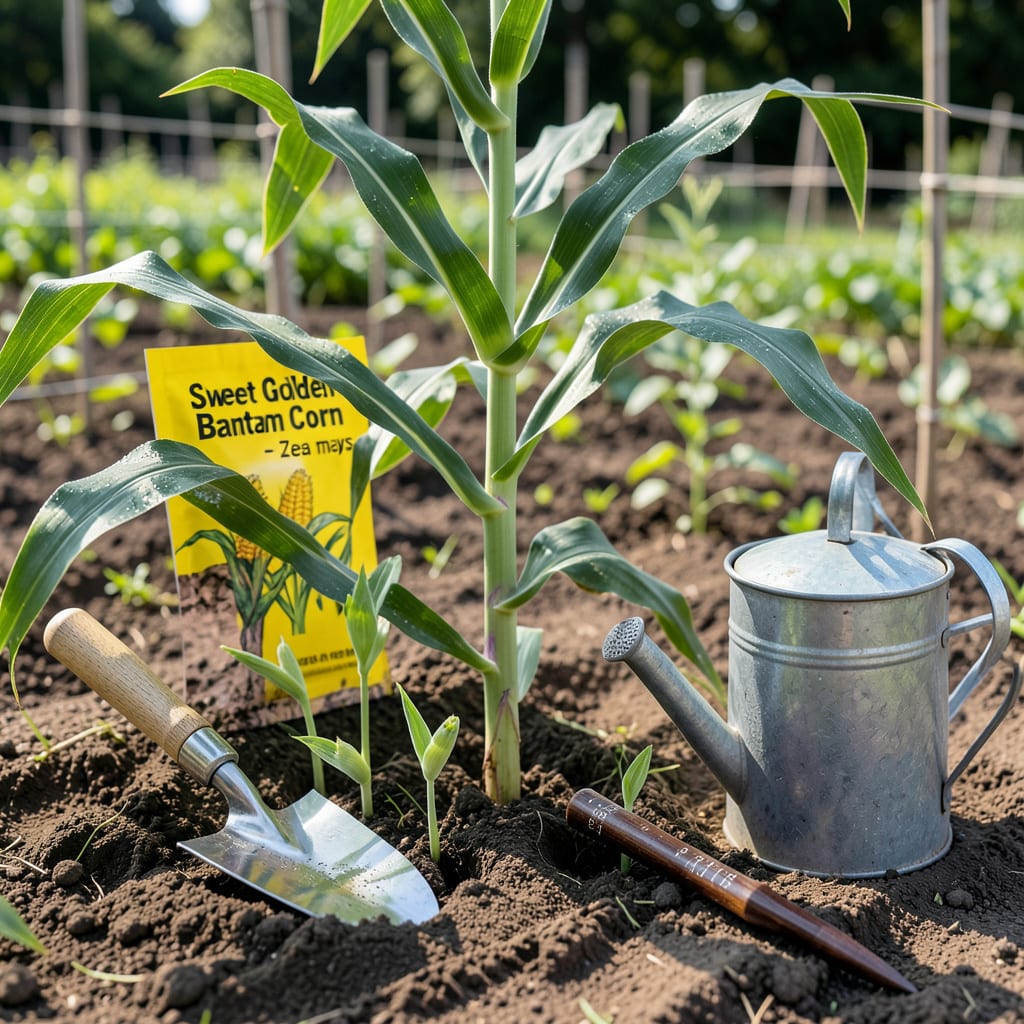
Southern California’s warm climate might seem perfect for corn, but timing your planting wrong can leave you with stunted stalks or dry, flavorless kernels. I’ve seen gardeners struggle when they follow general advice—what works in the Midwest won’t cut it here.
The secret lies in your microclimate and soil temps. Whether you’re in coastal San Diego or the inland valleys, I’ll break down the exact windows to plant for sweet, juicy corn—without the guesswork. Let’s get your 🌽 patch thriving the SoCal way.
Southern California’s diverse microclimates mean corn planting dates can vary by 2–4 weeks depending on where you live. Coastal areas like San Diego or LA Basin stay cooler longer, while inland valleys (Riverside, San Bernardino) warm up faster. The key? Soil temperature must hit 60°F+ for germination.
In my experience, early April works for desert regions, but coastal gardeners should wait until late April or early May. Desert areas can even sneak in a second planting in late summer for a fall harvest. Always use a soil thermometer—don’t guess! 🌡️
| Microclimate | Ideal Planting Window | Soil Temp Threshold | Notes |
|---|---|---|---|
| Coastal (LA, SD) | Late April–May 15 | 60–65°F | Wait for consistent warmth; fog delays soil heating. |
| Inland Valleys | Early April–May 1 | 65°F+ | Hotter summers—plant early to avoid heat stress. |
| Desert (Palm Springs) | March 15–April 1 | 70°F+ | Two crops possible: spring + late summer. |
| High Desert (Victorville) | April 15–May 10 | 58–60°F | Watch for late frosts; use row covers if needed. |
I’ve found that inland gardeners often jump the gun in March, but cold snaps can stall growth. If you’re in USDA Zone 9 (most of SoCal), aim for mid-April planting. For Zone 10 (desert/coastal), adjust by 2 weeks earlier or later, respectively. Pro tip: Black plastic mulch warms soil faster!
Santa Ana winds can dry out young corn, so I recommend drip irrigation setups. If you’re planting in raised beds, note that they warm up 10–15°F faster than ground soil. This lets coastal gardeners plant 7–10 days earlier than in-ground plots. Just monitor moisture—raised beds drain quickly! 💧
For fall corn, desert gardeners can plant in late July for a October harvest. Coastal areas? Skip it—cool nights stunt growth. Instead, try short-season varieties like ‘Early Sunglow’ (65 days) if you’re pushing the envelope. I’ve had success with this in Riverside by planting August 1.
Soil prep matters in SoCal’s sandy/loamy soils. A week before planting, I mix in 2–3 inches of compost and a balanced fertilizer (10-10-10). This helps retain moisture—critical when temps hit 90°F+. Avoid fresh manure; it can burn tender roots in our alkaline soils.
Watch for cutworms in early spring—they love young corn. I use cardboard collars around seedlings or sprinkle diatomaceous earth. If you’re organic, beneficial nematodes work too. And don’t forget to thin seedlings to 8–12 inches apart once they’re 4 inches tall.
If you’re in a water-restricted area, corn might seem thirsty, but it’s manageable. I use soaker hoses on a timer—1 inch of water weekly until silks form, then 1.5 inches. Mulch with straw to cut evaporation by 30%. During heatwaves, shade cloth (30% density) prevents kernel abortion.
Curious about succession planting? In Zone 9b, I’ve had luck with two plantings: one in early April and another in late May. The key is choosing fast-maturing varieties (70 days or less). Avoid late-June plantings—pollination fails when temps exceed 95°F.
Finally, test your soil pH—corn thrives in 6.0–6.8. SoCal soils often lean alkaline (7.5+), so I amend with sulfur or peat moss if needed. A simple $10 test kit saves headaches later. And remember: corn is wind-pollinated, so plant in blocks (4×4), not rows, for better yield! 🌽
Even experienced gardeners can sabotage their corn crop in SoCal’s tricky climate. The biggest mistake I see? Planting when soil is still below 55°F. Corn seeds rot in cold, damp ground—especially in coastal areas where spring fog lingers. Always check with a soil thermometer before planting.
Another common blunder is overcrowding seeds in raised beds. While it’s tempting to maximize space, corn needs 8–12 inches between plants for proper pollination. Crowded stalks compete for nutrients and produce small, sparse ears. Stick to a 4×4 block for best results.
⚠️ Watch Out for These Corn Killers:
The third major mistake is ignoring water needs during Santa Ana winds. These hot, dry winds can desiccate young corn overnight. I combat this with drip irrigation on a timer and 3 inches of mulch. Aim for 1 inch of water weekly, increasing to 1.5 inches when silks appear.
Many gardeners also overlook pollination timing. Corn is wind-pollinated, so planting in single rows reduces yield. Instead, arrange plants in blocks (4×4). If you notice poor kernel fill, gently shake stalks at midday to help pollen drop. Avoid spraying water during pollination—it washes away pollen!
Fertilizer missteps can also ruin your harvest. Applying high-nitrogen fertilizer after tasseling causes lush leaves but small ears. Switch to a low-nitrogen, high-phosphorus mix (5-10-10) once plants are knee-high. I side-dress with compost tea every 2 weeks for best results.
Finally, don’t forget about pest pressure. Cutworms and corn earworms thrive in SoCal. I protect seedlings with cardboard collars and apply Bt (Bacillus thuringiensis) when silks appear. For organic gardens, beneficial nematodes work wonders. Scout plants weekly—early detection prevents infestations! 🪲
If you’re in a water-restricted area, corn might seem too thirsty—but it’s adaptable. Use soaker hoses to deliver water directly to roots, reducing evaporation. Mulch with straw or wood chips to retain moisture. During heatwaves, temporary shade cloth (30%) prevents stress without blocking pollination.
Southern California’s short growing season demands corn varieties that mature quickly before summer heat sets in. I’ve tested dozens of types and found that 60–75 day varieties perform best here. The key is choosing heat-tolerant and drought-resistant types that won’t fail when temps spike.
My top pick for coastal areas is ‘Early Sunglow’ (65 days), which handles cool springs and produces 6-inch ears. For inland valleys, ‘Golden Bantam’ (80 days) thrives in heat and offers sweet, tender kernels. Both are perfect for SoCal’s USDA Zones 9–10.
| Variety | Days to Harvest | Heat Tolerance | Best For |
|---|---|---|---|
| Early Sunglow | 65 days | Moderate | Coastal areas, small gardens |
| Golden Bantam | 80 days | High | Inland valleys, heat-prone zones |
| Ambrosia | 75 days | Very High | Desert regions, drought areas |
| Quickie | 60 days | Moderate | Succession planting, containers |
| Sugar Pearl | 70 days | High | Sweet corn lovers, home gardens |
For desert gardeners, ‘Ambrosia’ (75 days) is a game-changer. It handles 100°F+ temps and needs less water than most varieties. If you’re in Riverside or Palm Springs, this is your best bet for a fall crop when planted in late July.
If you’re short on space, ‘Quickie’ (60 days) is ideal for containers or raised beds. It only grows 4–5 feet tall but still delivers full-sized ears. I’ve grown it successfully in 5-gallon buckets with a trellis for support. Just ensure daily watering in containers.
For the sweetest kernels, ‘Sugar Pearl’ (70 days) is my go-to. It’s a supersweet hybrid that retains sugar longer after picking—perfect for SoCal’s warm climate. The only downside? It needs consistent moisture, so mulch heavily and use drip irrigation to keep soil evenly damp.
No matter which variety you choose, remember that SoCal’s alkaline soils can affect nutrient uptake. I recommend a pre-plant soil test and amending with compost and sulfur if pH is above 7.0. This ensures your corn gets the phosphorus and potassium it needs for strong stalks and plump ears. 🌽
Use a soil thermometer to check temps at 2-inch depth—corn needs 60°F+ to germinate. Coastal areas often lag behind inland spots by 2–3 weeks. A quick trick: If bare feet feel warm on the soil at 10 AM, it’s likely ready.
Yes, but choose dwarf varieties like ‘Quickie’ (60 days). Use 5-gallon containers with drainage holes and full sun. Expect 1–2 small ears per plant—not a full harvest. Water daily in summer; containers dry out fast.
Inland gardeners can plant until early June for a late summer crop. Coastal areas should stop by May 15—cool nights later stunt growth. Desert regions can try a late July planting for fall harvest, but use heat-tolerant varieties like ‘Ambrosia’.
These hot, dry winds desiccate seedlings and stress pollinating plants. Shield young corn with windbreaks or 30% shade cloth. Increase watering to every 48 hours during wind events. Mulch heavily to retain moisture.
This usually means poor pollination, often from planting in single rows or during heatwaves (>95°F). Plant in 4×4 blocks and hand-pollinate by shaking stalks at midday. Avoid overhead watering during flowering.
