
Beautiful Plants For Your Interior
Beautiful Plants For Your Interior
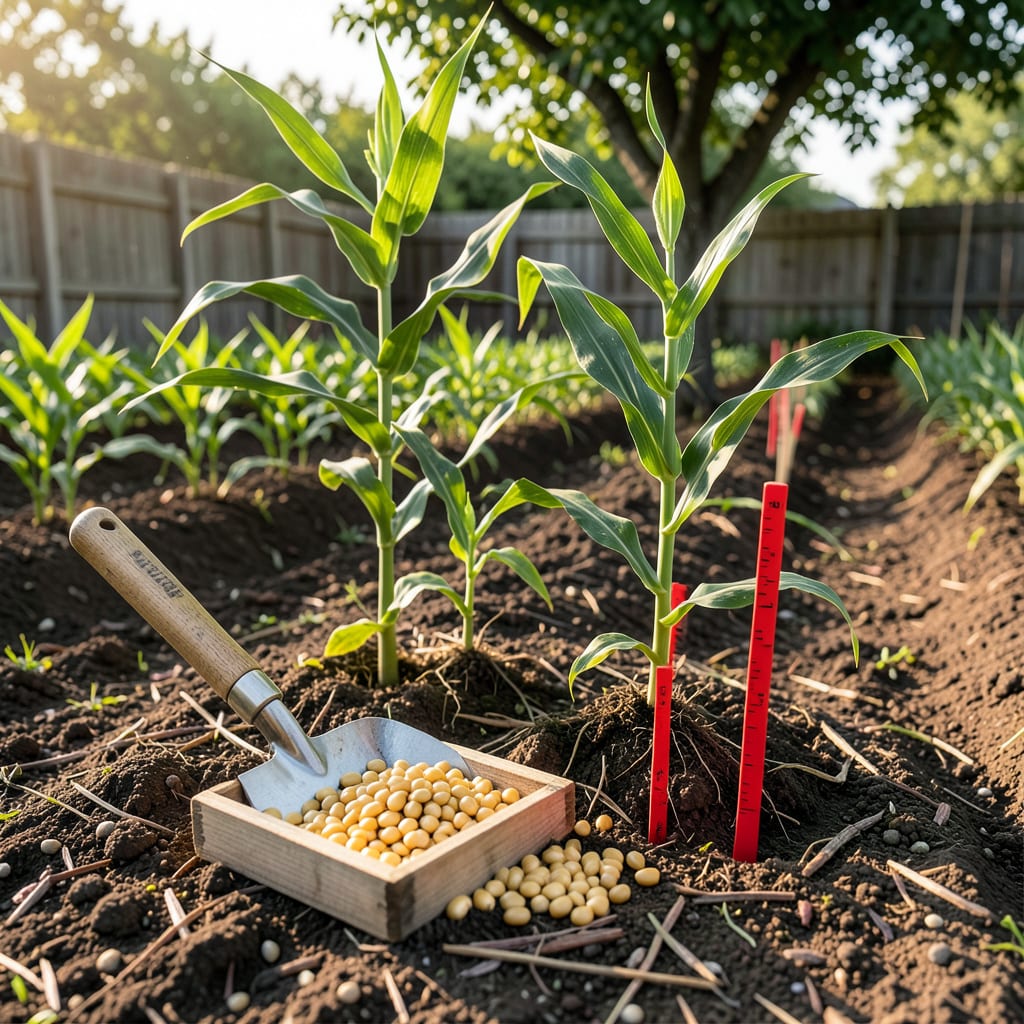
Timing your corn planting in South Carolina can make or break your harvest. Plant too soon, and late frosts might wipe out your seedlings. Wait too long, and summer heat could leave your 🌽 stunted before it even fills out.
After years of testing different approaches across the state, I’ve nailed down the perfect windows for both Piedmont and Coastal regions. Whether you’re in Greenville’s rolling hills or Charleston’s sandy plains, I’ll show you exactly when to get those seeds in the ground for the juiciest, most productive corn you’ve ever grown.
If you’re growing corn in South Carolina, timing isn’t just important—it’s everything. The difference between a bountiful harvest and a disappointing one often comes down to soil temperature and regional microclimates. SC’s diverse zones mean what works in the Piedmont’s clay-heavy soils won’t always apply to the sandy Coastal Plains.
Corn seeds won’t germinate until soil reaches at least 50°F, but they thrive best at 60–85°F. In the Upstate (Piedmont), you’ll need to watch for late frosts, while Lowcountry gardeners can plant earlier but must contend with summer humidity. Let’s break down the exact windows for your area.
| Region | USDA Zones | Planting Window | Soil Temp Threshold | Last Frost Date |
|---|---|---|---|---|
| Piedmont (Upstate) | 7b–8a | April 10–May 10 | 55°F+ (ideal: 60°F) | April 15 (Greenville) |
| Midlands (Columbia) | 8a | March 25–April 20 | 50°F+ (ideal: 65°F) | April 1 (Columbia) |
| Coastal Plains | 8b–9a | March 10–April 5 | 50°F+ (ideal: 70°F) | March 15 (Charleston) |
Source: Clemson Cooperative Extension, 2023. Adjust dates by ±7 days for microclimates.
In the Piedmont, I recommend waiting until mid-April to avoid unexpected frosts, especially in higher elevations like Travelers Rest or Caesars Head. Use a soil thermometer to confirm temps—don’t rely on air temperature alone! Corn seeds rot in cold, wet soil, so patience pays off.
Coastal gardeners have a longer window but face different challenges. The sandy soils warm faster, allowing earlier planting, but they also dry out quickly. I’ve found that mulching with straw helps retain moisture during those hot May afternoons. Aim to plant by early April to avoid peak summer drought stress.
For succession planting, try staggering plantings every 10–14 days until early June. This works especially well in the Midlands and Coastal regions, where the growing season stretches into late fall. Varieties like ‘Ambrosia’ (75 days) or ‘Peaches & Cream’ (80 days) are perfect for this approach.
If you’re in the Upstate, focus on early-maturing varieties like ‘Golden Bantam’ (70 days) or ‘Early Sunglow’ (65 days). These give you a better chance of harvesting before fall’s first frost (typically October 15 in Greenville). Pro tip: Start seeds indoors in biodegradable pots 2 weeks early for a head start!
Don’t forget to test your soil pH—corn prefers 6.0–6.8. In the Piedmont’s acidic clay, I add lime in late winter. Coastal soils often need extra organic matter (compost or aged manure) to improve water retention. A pre-plant fertilizer (10-10-10) worked into the top 6 inches gives seeds the nutrients they need.
Watch the 10-day forecast before planting. If nighttime temps will dip below 50°F, hold off. Young corn is sensitive to chilling, which can stunt growth or cause poor kernel development. In the Lowcountry, humidity can lead to fungal issues, so space plants 12–15 inches apart for airflow.
For the most accurate local data, check the Clemson Extension’s weekly ag reports or use their soil temperature maps. I’ve found that planting 2 weeks after your last frost date (not on it!) gives the best results. This ensures soil is warm enough for rapid germination and strong early growth.
Remember, corn is wind-pollinated, so plant in blocks of at least 4 rows (not single long rows) for proper pollination. In small gardens, try ‘Miniature Popcorn’ varieties that only grow 4–5 feet tall. They’re fun for kids and perfect for containers if you’re short on space!
By matching your planting dates to your region’s microclimate and preparing the soil properly, you’ll set yourself up for plump, sweet kernels all season. Now grab your seeds and get ready to enjoy that first bite of homegrown SC corn—there
Even with perfect timing, small errors can derail your corn harvest. After helping dozens of SC gardeners troubleshoot their crops, I’ve seen the same five mistakes repeat year after year. These blunders often stem from misjudging our state’s unique climate swings—whether it’s the Piedmont’s late frosts or the Coastal Plains’ humidity.
Let’s tackle the most common pitfalls so you can sidestep them. Trust me, fixing these issues before you plant will save you weeks of frustration later. Many gardeners don’t realize that corn is particularly sensitive to early-season stress, which can reduce yields by 30% or more if not addressed.
💡 Pro Tip: Coastal gardeners, add mycorrhizal fungi at planting to help roots combat sandy soil drought stress.
One of the biggest issues I see in the Upstate is rushing the season. Gardeners get excited by warm March days and plant too early, only to have seeds rot when temps drop again. Remember: Air temperature ≠ soil temperature. In Greenville, soil often lags 10–15°F behind air temps in early spring.
In the Coastal Plains, the opposite problem occurs—planting too late. By May, temperatures soar, and young corn struggles with heat stress during pollination. I’ve had best success with early April plantings in Charleston, using shade cloth for afternoon sun if needed. Varieties like ‘Country Gentleman’ (90 days) handle heat better than sweet corn.
Another frequent mistake is overlooking water needs during the critical tasseling stage (when silks appear). Drought stress now means poor kernel fill. In sandy Coastal soils, I recommend drip irrigation on a timer—1 inch of water weekly is ideal. Piedmont clay holds moisture longer but can suffocate roots if overwatered.
Pest pressure varies by region too. Corn earworms are worse in the Lowcountry’s humidity, while raccoons plague Upstate gardens. For earworms, apply spinosad spray when silks emerge. For raccoons, try electric fencing or plant ‘Truckers Favorite’ (tighter husks). Never assume last year’s pest plan will work—rotate strategies annually.
Finally, don’t forget about nutrient timing. Corn is a heavy feeder, especially during rapid growth. I side-dress with compost tea when plants reach knee-high (about 3 weeks after germination), then again when tassels form. Avoid high-nitrogen fertilizers late in the season—they’ll give you lush leaves but weak ears.
By avoiding these common mistakes, you’ll give your corn the strongest start possible. Next, let’s explore which corn varieties thrive in each SC region—and how to match their maturity dates to your local climate for nonstop harvests all summer long. 🌽
Choosing the right corn variety for your South Carolina region can make all the difference in your harvest. Not all corn thrives equally in our state’s diverse climates. The Piedmont’s cooler nights favor quick-maturing types, while the Coastal Plains’ heat demands varieties with better drought tolerance.
I’ve tested dozens of varieties across SC and found that matching maturity dates to your region’s growing season is key. Early varieties work best in the Upstate’s shorter season, while mid-to-late season types excel in the Lowcountry’s extended warmth. Let’s explore which types perform best where.
| Variety | Days to Maturity | Best Region | Key Features | Planting Window |
|---|---|---|---|---|
| Golden Bantam | 70 days | Piedmont | Early, cold-tolerant | April 10-May 1 |
| Peaches & Cream | 80 days | Midlands | Sweet, bicolor kernels | March 25-April 10 |
| Ambrosia | 75 days | Coastal | Heat-tolerant, tender | March 10-25 |
| Silver Queen | 92 days | Lowcountry | Classic white corn | March 15-April 1 |
| Country Gentleman | 90 days | All Regions | Shoepeg type, heat-resistant | April 1-15 |
Source: Clemson Cooperative Extension Variety Trials, 2023
For Piedmont gardeners, I recommend focusing on varieties that mature in 70 days or less. The shorter growing season means you’ll want types that can handle cooler nights and produce before fall frosts arrive. ‘Early Sunglow’ (65 days) is another excellent choice for Upstate gardens.
In the Midlands and Coastal regions, you have more flexibility with mid-season varieties (75-85 days). These areas benefit from SC’s long growing season, allowing for multiple plantings. ‘Bodacious’ (75 days) is a personal favorite for its exceptional sweetness and disease resistance in humid conditions.
For those in the Lowcountry, heat-tolerant varieties are essential. The combination of sandy soil and high temperatures can stress many corn types. I’ve had great success with ‘Temptation’ (78 days), which maintains its sweetness even in hot weather.
Don’t overlook specialty corns either! Popcorn varieties like ‘Robust’ (110 days) do well in all regions if planted early enough. For something truly unique, try ‘Glass Gem’ (110 days) – a stunning rainbow flint corn that’s as beautiful as it is delicious when ground into cornmeal. These longer-season varieties work best in the Coastal Plains where the growing season is most extended.
When selecting varieties, consider your family’s preferences too. Sweet corn lovers might prefer ‘Kandy Korn’ (88 days) for its extra-sweet kernels, while those who enjoy traditional flavor might opt for ‘Silver Queen’. For small gardens, ‘Miniature Popcorn’ (90 days) stays compact at just 4-5 feet tall but produces plenty of ears for popping.
No matter which variety you choose, remember that proper spacing is crucial for good pollination. Plant in blocks of at least 4 rows rather than single long rows. This arrangement ensures that pollen from the tassels can reach the silks, resulting in well-filled ears. In my experience, this simple technique can increase your harvest by 20-30% compared to traditional row planting.
Use a soil thermometer to check temperatures at 2-inch depth in the morning. Corn seeds need at least 50°F to germinate, but 60°F+ is ideal. In the Piedmont, wait until mid-April when soil consistently hits these marks. Coastal areas often warm up earlier by 2-3 weeks.
Yes, but choose dwarf varieties like ‘Miniature Popcorn’ that only grow 4-5 feet tall. Use containers at least 12 inches deep and wide, with drainage holes. Container-grown corn needs daily watering in summer and extra fertilizer every 2 weeks due to limited soil nutrients.
Sweetness starts with variety selection—choose ‘Peaches & Cream’ or ‘Kandy Korn’ for maximum sugar content. Harvest at the milk stage (when kernels release liquid when pierced) and chill immediately. For Coastal gardeners, morning harvests beat the heat and preserve sweetness.
Raccoons are notorious corn thieves! Install electric fencing (2 wires at 6″ and 12″ heights) or use motion-activated sprinklers. In the Piedmont, try planting ‘Truckers Favorite’ with tighter husks. Always harvest promptly—raccoons target ripe ears first.
Absolutely in SC’s long season! Plant new blocks every 10-14 days until early June. This works best in Midlands/Coastal regions. Use faster-maturing varieties (70-80 days) for later plantings. Staggering ensures continuous harvests and avoids gluts of ripe corn all at once.
