
Beautiful Plants For Your Interior
Beautiful Plants For Your Interior
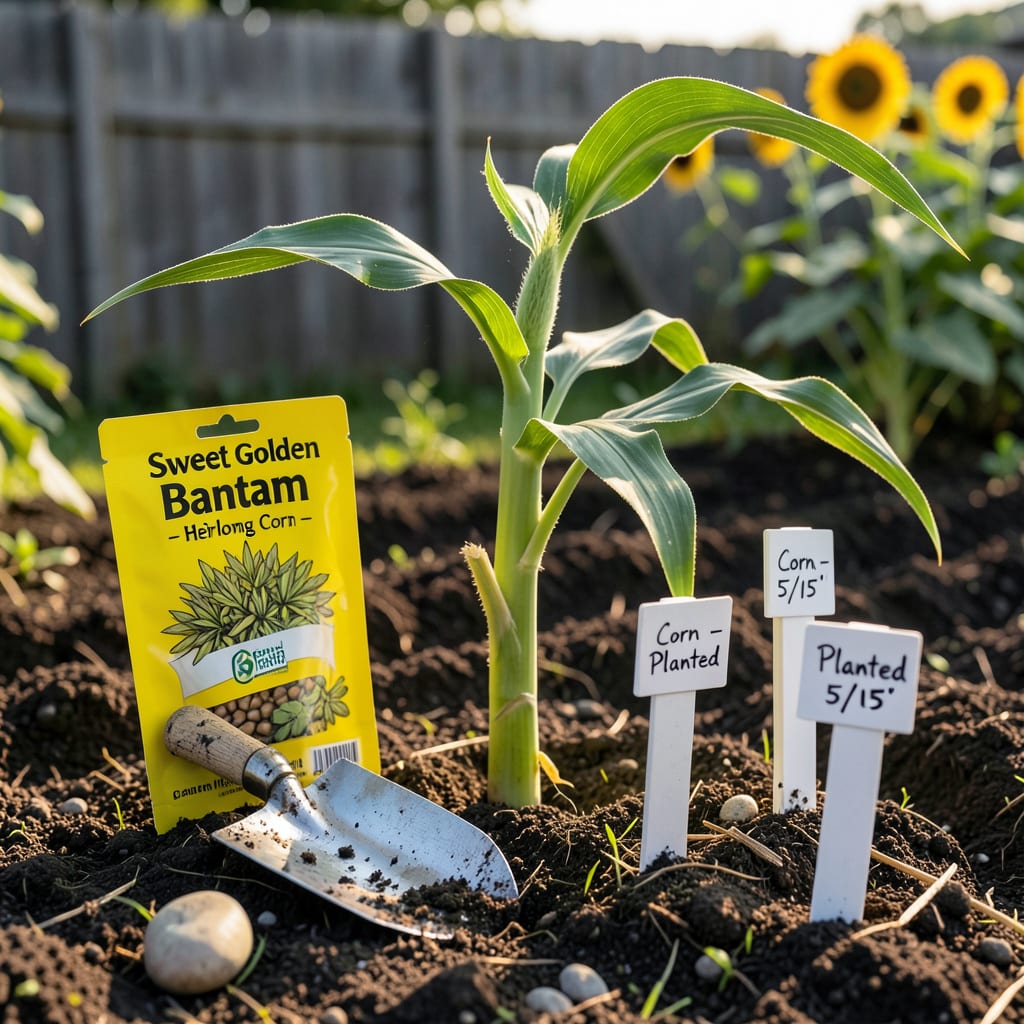
Timing your corn planting in Oregon can make or break your harvest. Plant too early, and unpredictable spring frosts might wipe out your seedlings. Wait too long, and you’ll miss the perfect window for those sweet, juicy ears we all crave.
I’ve dug into Oregon’s unique climate zones—from the damp coast to the dry high desert—to pinpoint the ideal planting schedule. Whether you’re in Portland or Bend, I’ll show you exactly when to get those seeds in the ground for a bountiful summer harvest. Let’s get started.
Oregon’s diverse climate means there’s no one-size-fits-all answer for planting corn. From the misty coast to the arid high desert, each region has its own ideal planting window. The key is waiting until the soil temperature hits at least 50°F—corn seeds won’t germinate in cold ground.
In the Willamette Valley, where most gardeners grow corn, you’ll want to aim for mid-April to early May. Coastal areas should wait until late April or early May due to cooler, wetter conditions. Meanwhile, Eastern Oregon’s high desert can often plant as early as late March if the soil is warm enough.
| Region | USDA Zone | Ideal Planting Window | Last Frost Date | Recommended Varieties |
|---|---|---|---|---|
| Oregon Coast | 8-9 | Late April – Early May | March 15 – April 1 | Early Sunglow, Sugar Pearl |
| Willamette Valley | 7-8 | Mid-April – Early May | April 1 – April 15 | Golden Bantam, Silver Queen |
| High Desert (Eastern OR) | 6-7 | Late March – Mid-April | May 1 – May 15 | Ambrosia, Honey & Pearl |
If you’re in the Willamette Valley, I recommend planting your first crop around April 20th. This gives you a buffer against late frosts while ensuring the soil has warmed. For a second succession crop, try planting again in early June for a late-summer harvest.
Coastal gardeners should be extra cautious. The cool, damp conditions can delay soil warming, so I always suggest using a soil thermometer to confirm temperatures. If you’re eager to start earlier, consider using black plastic mulch to warm the soil faster.
In Eastern Oregon, the high desert climate means you can often plant earlier, but watch for late spring frosts. I’ve found that Ambrosia corn does particularly well here because it matures quickly—just 70 days—and handles the heat better than other varieties.
No matter where you are, soil preparation is critical. Corn thrives in well-draining, fertile soil with plenty of organic matter. I like to work in aged compost or well-rotted manure a few weeks before planting. This gives the soil time to settle and ensures your corn has the nutrients it needs.
For those in cooler microclimates, like the foothills of the Cascades, you might need to wait until early May. If you’re unsure, check with your local OSU Extension office for hyper-local advice. They often have soil temperature maps and frost date records that can help you pinpoint the perfect time.
If you’re planting sweet corn, remember that most varieties need 60-100 days to mature. For a continuous harvest, I plant a new batch every 2-3 weeks until early July. This staggers the harvest so you’re not overwhelmed with ears all at once.
Finally, don’t forget about pollination. Corn is wind-pollinated, so planting in blocks of at least 4 rows (rather than a single long row) improves kernel fill. If your garden is small, try hand-pollinating by gently shaking the stalks when the tassels are dry.
By tailoring your planting schedule to Oregon’s unique regions and preparing your soil properly, you’ll set yourself up for a sweet, abundant corn harvest all summer long. Now grab your seeds and get ready to enjoy the crunch of homegrown ears straight from the stalk! 🌽
Planting corn in Oregon isn’t just about picking a date on the calendar. I’ve learned that five critical factors can make or break your harvest. From soil temperature to moon phases, these elements determine whether your corn thrives or struggles.
First, let’s talk about soil temperature—the most important factor. Corn seeds need at least 50°F to germinate, but they grow best when soil reaches 60-65°F. In Oregon’s coastal regions, this often means waiting until late April, while inland areas may warm up earlier.
Must be 50°F minimum (60-65°F ideal). Use a soil thermometer 2 inches deep at 9 AM for accurate reading. Coastal areas often lag 2-3 weeks behind inland regions.
Willamette Valley: April 15. Coast: April 1. High Desert: May 15. Plant 2 weeks after your last frost for safety, unless using row covers.
Short-season varieties like Early Sunglow (63 days) work best in cooler coastal areas. Hotter regions can handle Ambrosia (70 days) or Silver Queen (92 days).
Corn needs consistent moisture but hates soggy roots. Aim for 1 inch of water weekly. In Western OR, raised beds help with drainage during spring rains.
Use black plastic mulch to warm soil 2-3 weeks earlier. Row covers protect against late frosts and wind. Remove covers when plants reach 12 inches tall.
I always recommend checking your local microclimate conditions. The OSU Extension Service provides excellent county-specific data. For example, gardeners in the Rogue Valley might plant a week earlier than those in Portland due to warmer springs.
Don’t overlook moon phase planting, a technique many Oregon farmers swear by. The old-timers’ rule says to plant corn 2 days before the full moon in its waxing phase. While not scientifically proven, I’ve noticed slightly better germination rates when following this method in my own garden.
For those in urban areas with heat islands, you might find your soil warms up faster than rural locations. I’ve successfully planted corn in Portland as early as April 10th by using raised beds filled with compost-rich soil that heats up quickly.
Remember that wind patterns affect pollination. Oregon’s summer breezes are generally good for corn, but if you’re in a sheltered valley, you might need to hand-pollinate by gently shaking the stalks when tassels appear. This ensures every silk gets pollinated for full ears.
By paying attention to these five factors, you’ll dramatically increase your chances of a successful corn harvest. The key is observing your specific location and adjusting accordingly—what works in Bend might not work in Astoria. 🌽
Even experienced Oregon gardeners can make costly corn-planting mistakes that ruin their harvest. I’ve seen it all—from stunted seedlings to empty cobs—and most issues trace back to just a few common errors. Let’s fix them before they happen to you.
The biggest mistake I see is planting in cold, wet soil. Corn seeds rot in temperatures below 50°F, and Oregon’s spring rains can keep soil too damp. Always use a soil thermometer and wait for consistent warmth before planting.
Another silent harvest killer is poor plant spacing. I’ve found that 12-18 inches between plants and 30 inches between rows works best in Oregon. Overcrowded corn competes for nutrients, resulting in small, underdeveloped ears.
Oregon’s unpredictable June rains can also cause problems. Too much water during pollination washes pollen away, leading to patchy kernels. If heavy rain is forecasted, I cover my corn with floating row covers during the silking phase to protect the pollen.
Don’t forget about soil fertility. Corn is a heavy feeder that needs nitrogen for stalk growth and phosphorus for root development. I work in aged compost before planting, then side-dress with 5-10-10 fertilizer when plants reach knee-high and again when silks appear.
Finally, watch for pest pressure, especially in Western Oregon. Raccoons love sweet corn—install electric fencing or use motion-activated sprinklers as deterrents. For smaller pests like cutworms, I apply diatomaceous earth around seedlings at planting time. 🌽
For most of Oregon, early July is the cutoff for planting corn. In warmer areas like the Rogue Valley, you might push it to mid-July with fast-maturing varieties like Early Sunglow (63 days). Coastal areas should stick to June 15 at the latest.
Early Sunglow matures in just 63 days, making it perfect for cooler coastal areas. Sugar Pearl (68 days) is another excellent choice. Both handle Oregon’s variable spring weather well and deliver sweet, tender ears.
Corn doesn’t transplant well, so I don’t recommend starting indoors. The roots are sensitive to disturbance. Instead, use black plastic mulch to warm soil 2-3 weeks earlier or try row covers for frost protection in early plantings.
This usually indicates poor pollination, common in Oregon’s unpredictable June weather. Plant in blocks of 4+ rows for better wind pollination. If rain is forecast during silking, cover plants with floating row covers to protect pollen.
