
Beautiful Plants For Your Interior
Beautiful Plants For Your Interior
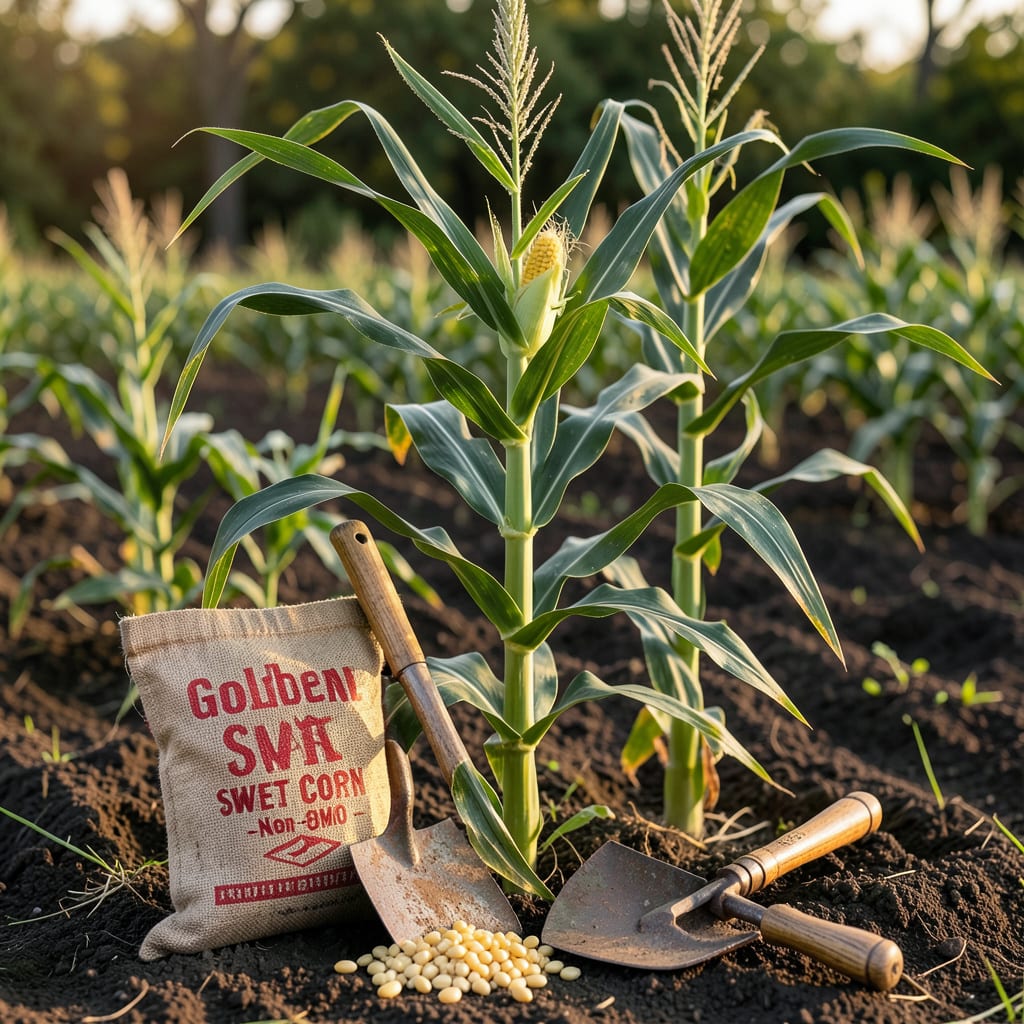
Timing is everything when it comes to growing perfect corn in Oklahoma. Plant too early, and a late frost could wipe out your crop. Wait too long, and the summer heat might stunt those golden kernels before they even form.
After years of testing and talking to local farmers, I’ve nailed down the ideal window for Zone 7a. Whether you’re in Tulsa or Oklahoma City, the difference between a mediocre harvest and a bumper crop often comes down to just a few weeks. Let’s get it right.
If you’re growing corn in Oklahoma, timing isn’t just important—it’s everything. The state’s diverse climate means what works in Tulsa (Zone 7a) might not fly in the Panhandle (Zone 6b). I’ve seen gardeners lose entire crops by planting just 10 days too early or too late.
The golden rule? Wait until soil temps hit 60°F—usually 2 weeks after the last frost. For most of Oklahoma, that’s mid-April to early May for spring planting. But if you’re in the western regions, you might push it to late April to avoid late frosts.
| Region | USDA Zone | Spring Planting Window | Fall Planting Window | Last Frost Date |
|---|---|---|---|---|
| Eastern OK | 7a-7b | April 1–15 | July 15–30 | April 10 |
| Central OK | 7a | April 10–25 | July 10–25 | April 15 |
| Western OK | 6b-7a | April 20–May 5 | July 5–20 | April 20 |
| Panhandle | 6b | April 25–May 10 | July 1–15 | April 25 |
💡 Pro Tip: Use a soil thermometer—don’t guess! Cold soil (<55°F) causes poor germination.
For fall corn, aim to plant 100–120 days before the first frost. In Oklahoma City, that’s around July 15. Fall crops need early-maturing varieties like ‘Golden Bantam’ (75 days) to beat the cold.
Microclimates matter too. If you’re near Lake Eufaula or the Arbuckle Mountains, your frost dates might shift by 7–10 days. Always check with your local OSU Extension office for hyper-local data.
Soil prep is just as critical as timing. I recommend tilling in 2–3 inches of compost and testing pH (aim for 6.0–6.8). Corn hates waterlogged soil, so ensure your plot drains well—especially in eastern Oklahoma’s clay-heavy areas.
If you’re planting sweet corn, space seeds 1 inch deep and 4–6 inches apart in rows 30–36 inches apart. For field corn, increase spacing to 8–12 inches between plants. Thin seedlings to avoid crowding—it’s tempting to keep them all, but overcrowding = smaller ears.
Watch the 10-day forecast before planting. If nighttime temps will dip below 50°F, hold off. Young corn seedlings can’t handle cold snaps. I once lost a whole row to a late April freeze in Stillwater—lesson learned!
For a continuous harvest, stagger plantings every 10–14 days until early June. This works well in central and eastern OK, where the growing season is longer. In the Panhandle, stick to a single planting to avoid frost risk.
Remember, corn is wind-pollinated, so plant in blocks of at least 4 rows (not a single long row) for better kernel fill. If space is tight, try ‘Miniature Popcorn’ (3–4 ft tall) or ‘Early Sunglow’ (65 days to harvest).
Finally, mark your calendar for harvest time—about 20 days after silks turn brown. Test kernels by pressing one with your thumbnail; if it releases milky liquid, it’s ready! 🌽
Planting corn in Oklahoma isn’t just about picking the right date—it’s about setting up the perfect conditions for those seeds to thrive. I’ve learned the hard way that even with ideal timing, poor soil or the wrong variety can ruin a crop. Let’s break down the five make-or-break factors every gardener should nail.
First, soil temperature is non-negotiable. Corn seeds won’t germinate well below 60°F, and rotting is likely in cold, wet ground. Use a soil thermometer—don’t rely on air temps. In eastern Oklahoma, clay-heavy soil warms slower, so you might need to wait an extra week compared to sandy western plots.
💡 Quick Fix: If your soil is slow to warm, lay black plastic mulch 2 weeks before planting to speed things up by 5–10°F.
One mistake I see often? Planting too shallow. Corn seeds need 1–1.5 inches of depth to anchor properly. Any shallower, and roots dry out; deeper, and germination lags. Use a ruler to check
Another critical factor: pollination. Corn is wind-pollinated, so plant in blocks (at least 4 rows), not a single long row. Poor pollination = missing kernels. If space is tight, hand-pollinate by shaking stalks gently when tassels release pollen (usually mornings). Don’t overlook succession planting for a longer harvest. In central Oklahoma, I plant a new block every 10 days until early June. This staggers maturity so I’m not overwhelmed with 50 ears at once. Just adjust for your zone—western gardeners should stop by May 20 to avoid heat stress. Finally, monitor nighttime temps. If they’ll dip below 50°F within a week of planting, hold off. Young seedlings are tender, and cold snaps stunt growth. I lost a row in Stillwater to a late April freeze—now I always check the 10-day forecast before sowing. 🌡️
Choosing between early-season and late-season corn in Oklahoma can make or break your harvest. I’ve tested both, and the difference in yield and kernel quality is staggering when matched to your region’s climate. Let’s compare the best strategies for each.
For eastern and central Oklahoma, early-maturing varieties like ‘Early Sunglow’ (65 days) or ‘Golden Bantam’ (80 days) thrive. They dodge the July heatwaves that can scorch later varieties. In the Panhandle, stick to ultra-early types (under 70 days) to beat the first frost.
| Variety Type | Days to Maturity | Best for Oklahoma Region | Planting Window | Key Benefit |
|---|---|---|---|---|
| Early-Season | 60–75 days | Panhandle, Western OK | April 20–May 10 | Avoids late frost and heat stress |
| Mid-Season | 75–85 days | Central, Eastern OK | April 10–25 | Balanced yield and sweetness |
| Late-Season | 90+ days | Eastern OK (irrigated) | April 1–15 | Larger ears but heat-sensitive |
💡 Pro Tip: For fall planting, only use early varieties—they’ll mature before the first frost (typically October 15).
To extend your harvest, stagger plantings every 10–14 days until early June. This works best with mid-season varieties in central Oklahoma, where the growing season is longer. I plant ‘Ambrosia’ (75 days) in three waves for fresh corn from July to September.
If you’re in the Panhandle, avoid late-season varieties entirely—they rarely mature before fall frosts. Instead, focus on succession planting with early types. For example, plant ‘Quickie’ (60 days) in late April, then again in early July for a second crop.
For sweet corn lovers, ‘Peaches and Cream’ (85 days) is a top pick in eastern Oklahoma, but it needs consistent watering during pollination. In drier areas, opt for ‘Country Gentleman’ (90 days)—it’s more drought-tolerant but requires early planting to avoid heat.
Remember, corn is heavy feeder. Side-dress with 10-10-10 fertilizer when plants are knee-high and again at tasseling. In sandy western soils, I add an extra compost top-dressing mid-season to retain moisture. 🌽
Corn seeds need soil temps of at least 60°F to germinate properly. Use a soil thermometer to check—planting in cooler soil risks poor sprouting or rot. In Oklahoma, this usually happens 2 weeks after the last frost.
Yes, but only for a fall harvest. Plant early-maturing varieties (60–75 days) around July 1–15 in most regions. Avoid late-season types—they won’t mature before the first frost. Check your local frost date for exact timing.
Cover young plants with row covers or cloches if temps drop below 50°F. In western Oklahoma, wait until late April to plant. A late frost can stunt growth or kill tender seedlings. Always check the 10-day forecast before sowing.
Opt for heat-tolerant, early-maturing varieties like ‘Early Sunglow’ (65 days) or ‘Golden Bantam’ (80 days). These avoid peak summer heat while still delivering sweet, plump kernels. In drier areas, ‘Country Gentleman’ handles stress better.
