
Beautiful Plants For Your Interior
Beautiful Plants For Your Interior
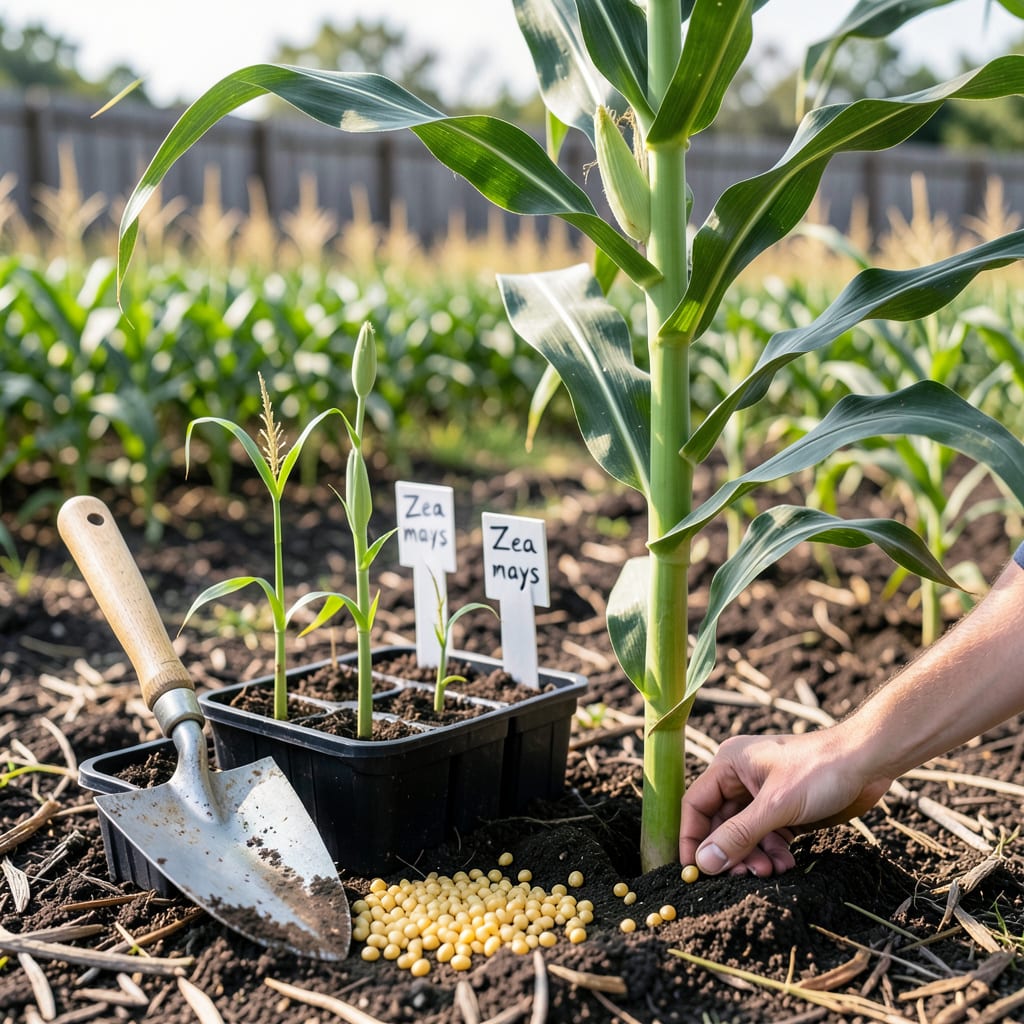
Timing is everything when it comes to growing perfect 🌽 corn in Ohio. Plant too early, and frost might ruin your crop; wait too long, and you’ll miss the ideal growing window. The difference between a thriving harvest and a disappointing one often comes down to just a few weeks.
After years of testing and research (backed by Ohio State University Extension), I’ve nailed down the exact planting window for Ohio’s climate. Whether you’re in Cincinnati or Toledo, I’ll show you how to read your soil, pick the right variety, and set yourself up for a bountiful August–September harvest.
If you’ve ever wondered why your neighbor’s corn towers over yours, timing is likely the culprit. Ohio’s USDA zones 5a–6b create a tight window where soil warmth and frost risk align perfectly. Plant too early, and cold soil stunts germination; wait too late, and summer heat stresses pollination.
Here’s the golden rule: Aim for soil temps of 60°F or higher, typically 1–2 weeks after Ohio’s last frost (around May 1 in most regions). But don’t just trust the calendar—use a soil thermometer to confirm. Southern Ohio (Cincinnati) can often plant 7–10 days earlier than northern areas (Toledo).
| Region | USDA Zone | Earliest Plant Date | Ideal Window | Soil Temp Requirement |
|---|---|---|---|---|
| Southern Ohio (Cincinnati, Columbus) |
6a–6b | April 15 | April 20–May 5 | 60°F+ |
| Central Ohio (Dayton, Mansfield) |
5b–6a | April 25 | May 1–May 10 | 60°F+ |
| Northern Ohio (Toledo, Cleveland) |
5a–5b | May 1 | May 5–May 15 | 60°F+ |
Source: Ohio State University Extension. Note: Adjust dates by ±5 days based on annual weather patterns.
For early-season varieties (like ‘Early Sunglow’), you can push the envelope by 5–7 days if using black plastic mulch to warm soil. Late-season corn (e.g., ‘Silver Queen’) needs the full 100-day window, so don’t plant after May 20 in northern Ohio—it may not mature before frost.
I always check the 10-day forecast before planting. If nighttime temps dip below 50°F, hold off. Corn seeds rot in cold, wet soil. A quick trick? Plant when dandelions bloom—nature’s signal that soil is warm enough. For succession planting, sow a second crop in early June for a late-summer harvest.
Soil prep matters just as much as timing. Work in 2–3 inches of compost and ensure pH 6.0–6.8 (test with a kit from your local extension office). Plant seeds 1–1.5 inches deep, spacing them 4–6 inches apart in rows 30–36 inches wide for proper pollination.
Pro tip: If you’re in a low-lying area prone to frost pockets, wait an extra week or use row covers to protect young seedlings. Conversely, urban gardens (with heat-retaining pavement) can often plant 3–5 days earlier than rural plots.
Remember, corn is wind-pollinated, so plant in blocks of at least 4 rows (not single long rows) to ensure good kernel fill. Thin seedlings to 12 inches apart once they’re 3–4 inches tall to avoid competition.
For the most accurate local data, consult your county’s OSU Extension office—they track microclimate variations. And if you’re experimenting with super-sweet varieties (like ‘Peaches & Cream’), note they often need warmer soil (65°F+) for optimal germination.
By nailing this timing window, you’ll avoid the two biggest corn killers in Ohio: poor germination from cold soil and pollination failure during heatwaves. Trust me, your August harvest will thank you! 🌽
Planting corn in Ohio isn’t just about picking a date on the calendar. While late April to mid-May is the general window, several factors can shift your ideal timing by weeks. I’ve learned the hard way that ignoring these details can lead to stunted growth or poor yields.
First, soil temperature is non-negotiable. Corn seeds need 60°F or warmer to germinate properly. Even if air temps feel spring-like, cold soil can delay sprouting or cause seeds to rot. A simple soil thermometer (available at any garden center) is your best friend here.
Your corn variety plays a huge role too. Early-maturing types like ‘Northern Extra Sweet’ can go in slightly earlier (late April), while longer-season varieties (e.g., ‘Silver Queen’) need warmer soil and should wait until mid-May. Always check your seed packet!
Ohio’s microclimates create surprising differences. Gardeners in southern Ohio (Cincinnati area) often plant 1–2 weeks earlier than those near Lake Erie, where cooler lake effects linger. Urban areas with heat-island effects may also warm up faster than rural fields.
Here’s my pro tip: Watch the forecast like a hawk. If a cold front is moving in after you plant, young seedlings can suffer. I use the Ohio State University Extension’s frost maps to double-check my timing. Their data accounts for Ohio’s unpredictable springs better than generic almanacs.
Finally, soil prep can make or break your timing. If your soil is waterlogged from spring rains, wait until it’s workable. Corn seeds planted in muddy soil often rot. A simple squeeze test helps: if soil crumbles when squeezed (not sticks together), it’s ready for planting.
By balancing these factors, you’ll hit that perfect planting window—not too early, not too late—every time. Trust me, your August harvest will thank you! 🌽
Even experienced gardeners make mistakes with corn planting in Ohio. I’ve seen stunted seedlings and poor yields firsthand—often from avoidable errors. The good news? Most issues stem from just a few key missteps that are easy to fix once you know what to watch for.
One of the biggest mistakes is planting too early in cold soil. Corn seeds need 60°F+ soil temps to germinate properly. If you rush and plant when soil is still below 55°F, seeds may rot or sprout weakly. I always use a soil thermometer—it’s the only way to be sure.
Another common issue is ignoring soil pH. Corn thrives in slightly acidic soil (6.0–6.8). If your pH is off, plants struggle to absorb nutrients, leading to yellow leaves or stunted growth. Test your soil with a kit from your local extension office—it’s worth the $10!
Overcrowding is a silent yield killer. Planting seeds too close together seems efficient, but it creates competition for water and nutrients. I space my corn 4–6 inches apart in rows 30–36 inches wide. Thin seedlings to 12 inches apart once they’re 3–4 inches tall.
Many gardeners also forget that corn is wind-pollinated. Planting in a single long row often results in poorly filled ears. Instead, plant in blocks of at least 4 rows to ensure good pollen distribution. If space is tight, try planting two parallel rows 12 inches apart.
Finally, don’t neglect succession planting. Planting all your corn at once gives you one harvest. For a steady supply, I plant a second crop in early June (if using early varieties). Just be sure your chosen variety has enough time to mature before Ohio’s first frost (around October 15).
By avoiding these common pitfalls, you’ll set your corn up for success. Remember: healthy plants now mean plump, sweet ears come August! 🌽
Seeds planted in cold soil often rot or germinate poorly. Corn needs 60°F+ to sprout reliably. If you rush, expect weak seedlings or patchy germination. A soil thermometer is the best way to check.
For early-maturing varieties (like ‘Early Sunglow’), yes—but don’t wait past June 10 in northern Ohio. Late planting risks frost damage before harvest. Southern Ohio has more flexibility, but yields may be smaller.
Seeds planted deeper than 1.5 inches struggle to emerge. If seedlings take more than 10 days to sprout, depth is likely the issue. Aim for 1–1.5 inches in well-drained soil.
Yellowing often signals nutrient deficiency (usually nitrogen) or cold stress. Test soil pH—corn thrives at 6.0–6.8. A light 10-10-10 fertilizer can help, but avoid overfeeding young plants.
Plant a second crop in early June for a late-summer harvest. Stick to early varieties (60–70 days to maturity) to beat frost. Just ensure your first crop is established before replanting.
