
Beautiful Plants For Your Interior
Beautiful Plants For Your Interior
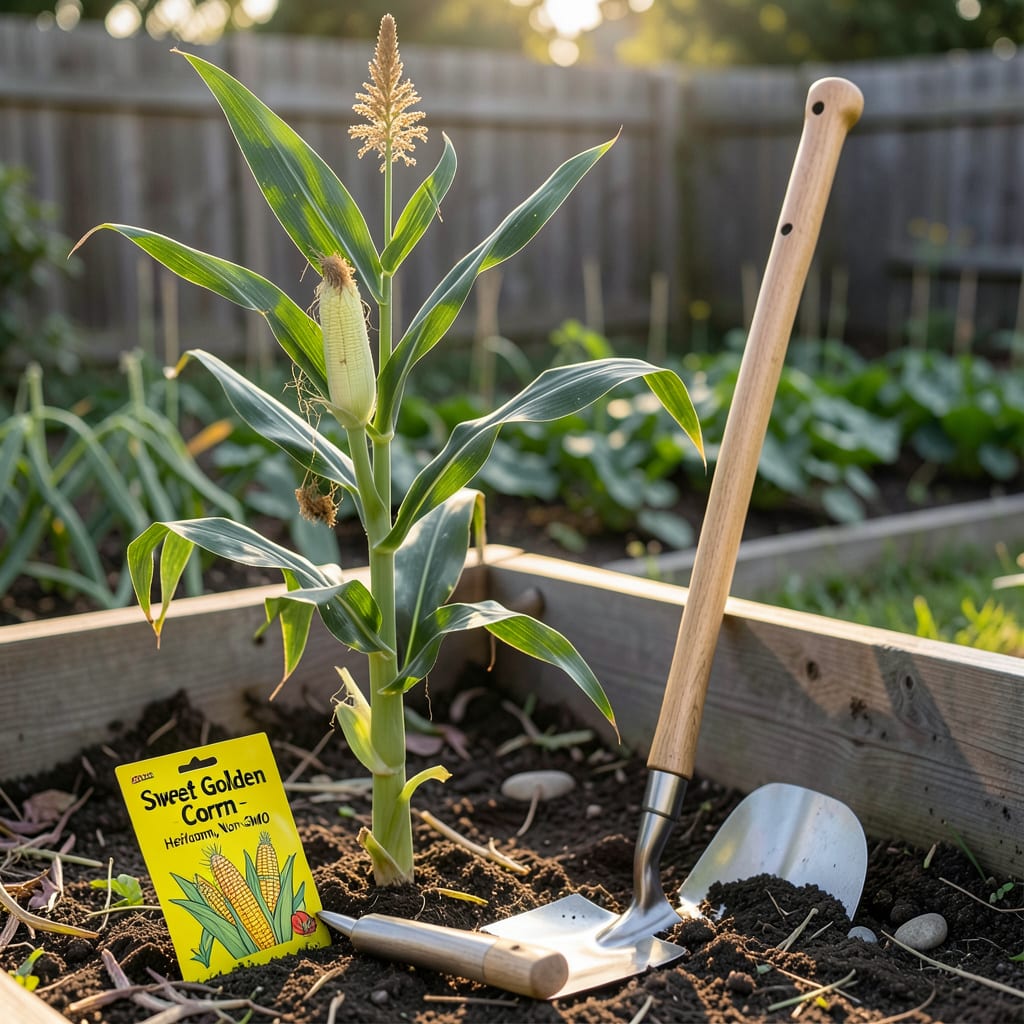
Timing your corn planting in North Texas can make or break your harvest. Plant too early, and a late frost might wipe out your seedlings. Wait too long, and the summer heat will stress your plants before they can produce.
After years of testing different approaches, I’ve nailed down the perfect window—plus the soil tricks that turn struggling stalks into heavy yielders. Whether you’re in Dallas or Fort Worth, these insights will help you grow your best 🌽 crop yet. Let’s get started.
If you’re growing sweet corn in North Texas, timing isn’t just important—it’s everything. Our USDA Zone 8a climate gives us a long growing season, but those late spring heatwaves can turn your corn patch into a crispy disappointment if you plant too late. I’ve found the sweet spot is between mid-March and early May, but let’s break it down by location.
North Texas spans from Dallas to Fort Worth and beyond, and those microclimates matter. Urban areas like Dallas warm up faster than rural spots near Decatur. Even within your own yard, a south-facing slope might be ready 2 weeks earlier than a shady north corner. That’s why I always recommend using a soil thermometer—don’t guess when your soil’s ready!
| City | USDA Zone | Earliest Plant | Latest Plant | Best Varieties |
|---|---|---|---|---|
| Dallas | 8a | March 15 | April 30 | Golden Bantam, Silver Queen |
| Fort Worth | 8a | March 20 | May 5 | Country Gentleman, Ambrosia |
| Denton | 8a | March 25 | May 1 | Peaches & Cream, Bodacious |
| McKinney | 8a | March 18 | April 25 | Kandy Korn, Honey & Pearl |
*Adjust dates by ±5 days for rural vs. urban areas
Notice how Fort Worth gardeners get an extra week compared to Dallas? That’s because Fort Worth’s average last frost is about 5 days later (March 20 vs. March 15). I learned this the hard way when my early-planted corn got zapped by a surprise frost in Lewisville one year. Now I always check the 10-day forecast before planting.
For short-season varieties like ‘Early Sunglow’ (65 days), you can push your planting date to early June if you’re willing to babysit your plants through the heat. But honestly? I stick to 70-90 day varieties planted by April 15 for the most reliable harvests. The longer-maturing corns like ‘Silver Queen’ (92 days) need that extra time before our 100°F summers hit.
Here’s a pro tip: Our North Texas clay soil warms up slower than sandy loam. If you’re dealing with heavy clay (like most of us are), consider raising your beds or laying black plastic mulch to speed up warming. I’ve seen soil temps jump 5-10°F in just a week with black plastic—it’s like giving your corn a head start!
Don’t forget about succession planting! For a continuous harvest, I plant a new block of corn every 10-14 days until early May. This staggers the harvest so you’re not overwhelmed with 50 ears ripening all at once. Just be sure your last planting goes in by May 10 at the latest to avoid summer heat stress.
If you’re growing super-sweet varieties like ‘Miracle’ or ‘Sugar Buns’, you’ll want to lean toward the earlier side of the planting window. These types are more sensitive to heat during pollination. I lost an entire patch of ‘Sugar Buns’ one July when temps hit 105°F during tasseling—the kernels just didn’t fill properly.
Remember, these dates are guidelines, not rules set in stone. Your specific microclimate, soil type, and even how much urban heat island effect you have will impact your timing. When in doubt, plant a test patch of 10-12 seeds and monitor their progress before committing your whole garden.
And here’s my #1 North Texas corn secret: Watch the redbud trees. When they start blooming in early spring, that’s nature’s signal that soil temps are rising. I plant my first corn within 2 weeks of redbud bloom and have never been disappointed with the results. It’s an old farmer’s trick that works perfectly in our region! 🌽
Here’s the truth about growing corn in North Texas: soil temperature matters more than calendar dates. I’ve seen gardeners plant at the “right time” only to watch their seeds rot because the ground was still too cold. Your corn seeds won’t germinate properly until soil reaches 60°F consistently—that’s the magic number for our region.
Don’t trust air temperatures alone! Our North Texas springs can have 70°F days while the soil lingers in the chilly 50s. That’s why I always use a soil thermometer—the cheap $10 kind from garden centers works perfectly. Check at 2-inch depth in the morning for 3 consecutive days before planting.
Planting in cold, wet soil (below 55°F) causes seeds to rot before germinating. Our clay-heavy soils stay cooler longer, making this especially risky. Wait until soil hits 60°F+ at 2-inch depth for 3 days straight—no exceptions!
Quick Fix: Use black plastic mulch to warm soil 5-10°F faster.
Want to speed up warming? Try these North Texas-tested tricks: Cover your planting area with black plastic for 2 weeks before sowing, or build raised beds which warm faster than ground soil. I’ve also had great success with compost-topped rows—the dark organic matter absorbs heat beautifully.
Here’s my soil prep routine for perfect corn germination: First, I loosen the top 8-10 inches of our tough clay soil. Then I mix in 2 inches of compost to improve drainage and warmth retention. Finally, I water deeply and cover with clear plastic for 5-7 days before planting to create a mini greenhouse effect.
Remember that corn variety affects temperature needs too. Super-sweet types like ‘Miracle’ need warmer soil (65°F+) to germinate well, while standard sweet corns like ‘Golden Bantam’ tolerate slightly cooler conditions. Always check your seed packet for specific requirements—this small step prevents big disappointments later.
And here’s a game-changer for our unpredictable springs: Use a seedling heat mat under your rows for the first week after planting. I’ve found this gives seeds a 3-5 day head start in germination, which can mean the difference between harvest success and heat-stressed plants when our May temperatures spike. 🌡️
Missed the ideal planting window? Don’t panic—you can still grow great corn in North Texas even if you’re starting late. The key is choosing heat-tolerant varieties and adjusting your care routine. I’ve successfully grown corn planted as late as early June using these strategies.
First, select short-season varieties like ‘Early Sunglow’ (65 days) or ‘Quickie’ (60 days). These mature fast enough to beat our July heatwaves. For even better results, try heat-resistant hybrids like ‘Country Gentleman’ or ‘Ambrosia’—they handle 90°F+ temps better than standard varieties.
For late plantings, I modify my watering schedule to every 3-4 days instead of weekly. The critical pollination period (when tassels appear) is especially vulnerable to heat stress. During this phase, I water at sunrise and add a foliar spray of compost tea to help plants cope.
Here’s my late-season trick: Plant corn in blocks of 4-6 short rows rather than long single rows. This improves cross-pollination when heat might otherwise reduce pollen viability. I’ve found this formation boosts ear fill by 20-30% in late plantings compared to traditional rows.
Expect slightly smaller yields from late-planted corn—about 1-2 ears per stalk instead of 2-3. But with proper care, you’ll still get delicious corn. Last year my June-planted ‘Country Gentleman’ produced dozens of ears despite 105°F temps, thanks to shade cloth and drip irrigation. 🌡️
Corn seeds need soil that’s consistently 60°F or warmer at 2-inch depth. Our North Texas clay warms slower than sandy soil, so always check with a thermometer. Planting in cold soil (below 55°F) risks seed rot and poor germination.
Yes, but choose short-season varieties like ‘Early Sunglow’ (65 days) or heat-tolerant hybrids like ‘Country Gentleman’. Use 30% shade cloth during peak heat and water deeply every 3-4 days. Expect slightly smaller yields but still delicious corn.
Dallas warms up about 5 days earlier than Fort Worth due to urban heat. Start Dallas plantings around March 15, while Fort Worth gardeners should wait until March 20. Always adjust based on your specific microclimate.
Cover planting areas with black plastic for 2 weeks before sowing, or build raised beds. Adding 2 inches of compost helps too. These methods can boost soil temps by 5-10°F—critical for our heavy clay.
Increase to every 3-4 days with 1-1.5 inches per week total. Focus on morning watering and use drip irrigation to avoid evaporation. Mulch heavily with straw to keep roots cool during 100°F+ heatwaves.
