
Beautiful Plants For Your Interior
Beautiful Plants For Your Interior
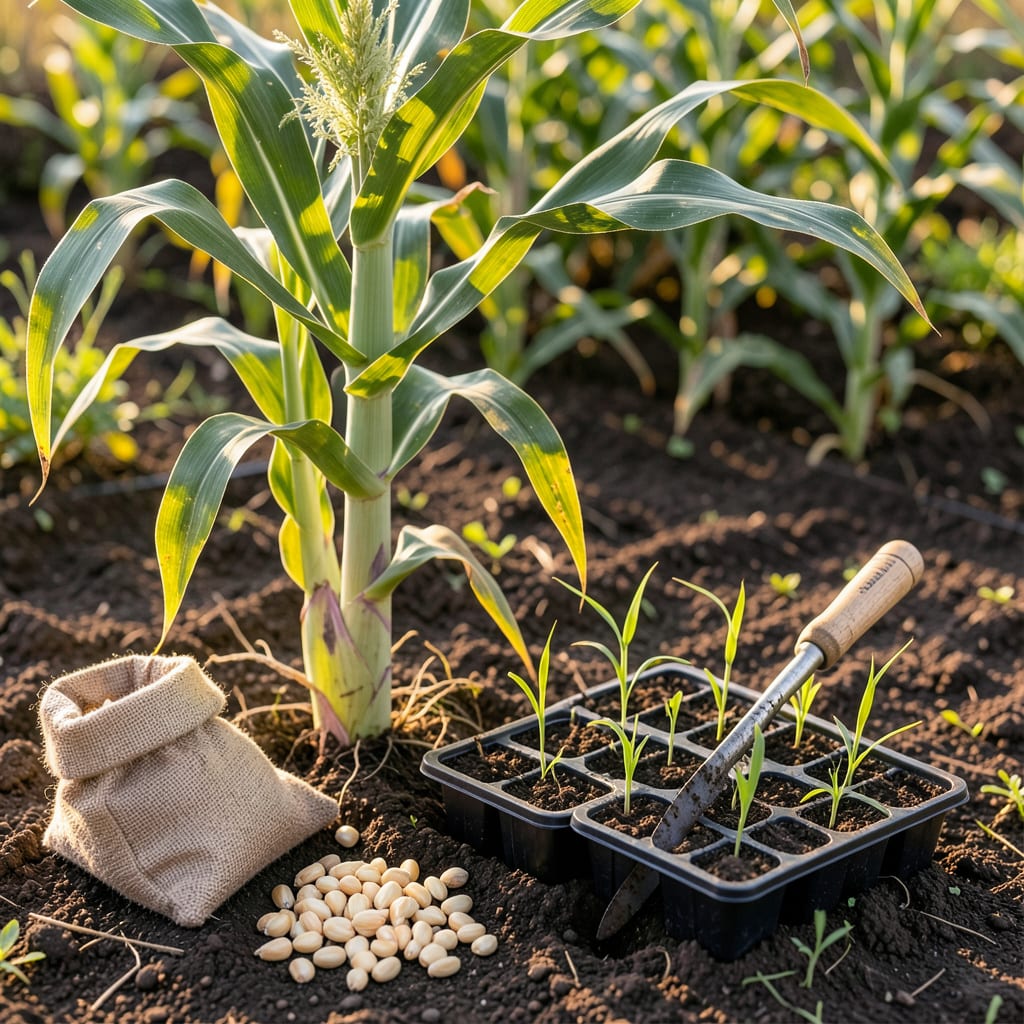
Timing your corn planting in Massachusetts can mean the difference between a bountiful harvest and a disappointing yield. Plant too early, and late frosts might wipe out your crop; wait too long, and you’ll miss that perfect summer sweetness.
After years of testing and adjusting, I’ve nailed down the ideal window for zones 6a-7b. Whether you’re in Boston or the Berkshires, I’ll show you exactly when to get those seeds in the ground—plus the soil prep tricks that make all the difference. Let’s get started.
If you’ve ever bitten into a juicy Massachusetts-grown ear of corn, you know timing makes all the difference. In our USDA Zones 6a–7b, planting too early risks frost damage, while delaying too long shortens your harvest window. The sweet spot? Late May to early June for most regions.
But Massachusetts isn’t one-size-fits-all. Coastal areas like Cape Cod warm up faster than the Berkshires, and urban heat islands (think Boston) can extend the season slightly. I’ll break down the exact windows, but first—let’s talk soil temperature. Corn seeds won’t germinate well below 50°F.
Notice how coastal areas can plant 2–3 weeks earlier than the Berkshires? That’s thanks to the Atlantic Ocean’s moderating effect. If you’re in Zone 7b (like parts of Bristol County), you might even sneak in an early April planting under row covers.
Here’s my pro tip: Use a soil thermometer—they’re cheap and save guesswork. Stick it 2 inches deep at 9 AM. If it reads below 50°F, hold off. Corn planted in cold, wet soil often rots before sprouting. I learned this the hard way my first year!
For succession planting, try this schedule: Plant 25% of your seeds in late May, another 50% in early June, and the final 25% by June 15. This staggers your harvest, so you’re not overwhelmed with 50 ears at once. Trust me, your freezer will thank you.
What if your soil’s still chilly? Black plastic mulch works wonders—it warms the soil 5–10°F faster than bare ground. Lay it down 2–3 weeks before planting, and cut holes for seeds. This trick bought me an extra week in my shady backyard.
Don’t forget soil prep! Massachusetts’ clay-heavy soils need amending. Mix in 2–3 inches of compost and a balanced fertilizer (10-10-10) before planting. Aim for a pH of 6.0–6.8—corn hates acidic soil. Test kits are $10 at garden centers.
If you’re growing super-sweet varieties like ‘Honey & Pearl’ or ‘Miracle’, they need warmer soil (60°F+) to develop their sugar content. These are worth the wait—plant them in the later half of your region’s window for best results.
Finally, watch the 10-day forecast before planting. If nighttime temps will dip below 40°F, hold off. Young corn can survive a light frost, but prolonged cold stunts growth. I use the UMass Extension’s frost alert tool—it’s free and region-specific.
Next up, we’ll tackle the 3 biggest mistakes MA gardeners make with corn—and how to avoid them. Spoiler: Overcrowding is public enemy #1! 🌽
Even with perfect timing, some common corn-planting blunders can sabotage your Massachusetts harvest. I’ve made (and fixed) all three of these—so you don’t have to. The first? Planting in cold soil. Corn seeds need 50°F minimum to germinate properly.
If your soil’s below that, seeds may rot before sprouting. I lost an entire row my first year by planting after a cold April rain. Now I use a $10 soil thermometer—it’s saved me countless times. Stick it 2 inches deep at 9 AM for the most accurate reading.
The second mistake is skipping soil prep. Massachusetts’ clay-heavy soils compact easily, suffocating roots. Before planting, work in 2–3 inches of compost and check your pH level. Corn thrives in 6.0–6.8 range—our native soil often leans acidic.
A $10 test kit from your local garden center reveals if you need lime (to raise pH) or sulfur (to lower it). I add pelletized lime every spring—it’s easier to spread than powdered. Also, avoid fresh manure; it’s too high in nitrogen and can burn young plants.
Mistake #3 is improper spacing. Corn is wind-pollinated, so plants need room to sway and share pollen. Crowded stalks produce small, poorly-filled ears. Plant seeds 12–18 inches apart in rows 30–36 inches apart for best results.
For block planting (better pollination), arrange at least 4 short rows side by side instead of one long row. This creates a “corn patch” effect. I use the “finger-width” trick: seeds should be about two fingers deep and one hand-width apart.
Bonus tip: Don’t plant in a straight line if your garden’s windy. Stagger seeds slightly so stalks support each other. And if you’re growing super-sweet varieties, give them extra space—their larger ears need more nutrients and airflow to prevent fungal diseases in our humid summers.
Not all corn is created equal—especially in Massachusetts’ short growing season. Choosing the right variety can mean the difference between a harvest before Labor Day or watching your stalks struggle through an early frost. I’ve tested dozens of types and narrowed it down to the best performers for our Zones 6a–7b.
For early-season corn (60–70 days), I swear by ‘Early Sunglow’ and ‘Quickie’. These varieties thrive in our cooler springs and can handle the occasional late May chill. They’re perfect if you’re in the Berkshires or Western MA, where the season starts later. Just be ready to harvest by late July.
If you’re in Central or Eastern MA, mid-season varieties (70–85 days) like ‘Ambrosia’ or ‘Bodacious’ are your best bet. They handle our humid summers and deliver that classic buttery sweetness. I plant these in early June for an August harvest—just in time for backyard BBQs.
For coastal gardeners (Cape Cod, South Shore), late-season corn (85+ days) like ‘Honey & Pearl’ or ‘Miracle’ shines. These need warmer soil (60°F+) but reward you with extra-sweet kernels that hold their flavor longer. Plant by June 10 to avoid early fall frosts. Pro tip: These varieties are disease-resistant, which helps in our humid climate.
Want to extend your harvest? Try succession planting with different maturity types. I plant ‘Early Sunglow’ in late May, ‘Ambrosia’ in early June, and ‘Honey & Pearl’ by mid-June. This gives me fresh corn from July through September. Just be sure to rotate planting spots yearly to prevent soil depletion.
For small gardens, consider ‘On Deck’—a compact hybrid that grows just 5 feet tall but still delivers full-sized ears. It’s perfect for containers or raised beds. Pair it with ‘Luscious’ (bicolor) for a sweet, crisp combo that resists corn earworm, a common MA pest. 🌽
Coastal areas like Cape Cod can start as early as late April under row covers. Without protection, aim for April 25–May 10 when soil temps hit 50°F+. The ocean’s warmth gives you a 2–3 week head start over inland regions.
Use a soil thermometer ($10 at garden centers) and check 2 inches deep at 9 AM. Corn needs 50°F minimum to germinate well. If it’s cooler, wait or use black plastic mulch to warm the soil faster. Cold soil = rotting seeds!
It’s tricky but possible! Choose dwarf varieties like ‘On Deck’ (5 ft tall) and use 5-gallon containers per plant. Ensure 6+ hours of sun daily and hand-pollinate by shaking tassels. Yields will be smaller, but you’ll get 1–2 ears per stalk.
In most of MA, June 15 is the cutoff for standard varieties. For fast-maturing types (60–70 days), you can push to June 20 in warmer zones like Bristol County. Late plantings risk earworm damage and smaller ears, so prioritize early June.
This usually happens when soil is too cold (<50°F) or waterlogged. Massachusetts’ clay soil holds moisture, so amend with compost for drainage. Next time, wait until after your last frost date and check soil temps with a thermometer.
