
Beautiful Plants For Your Interior
Beautiful Plants For Your Interior
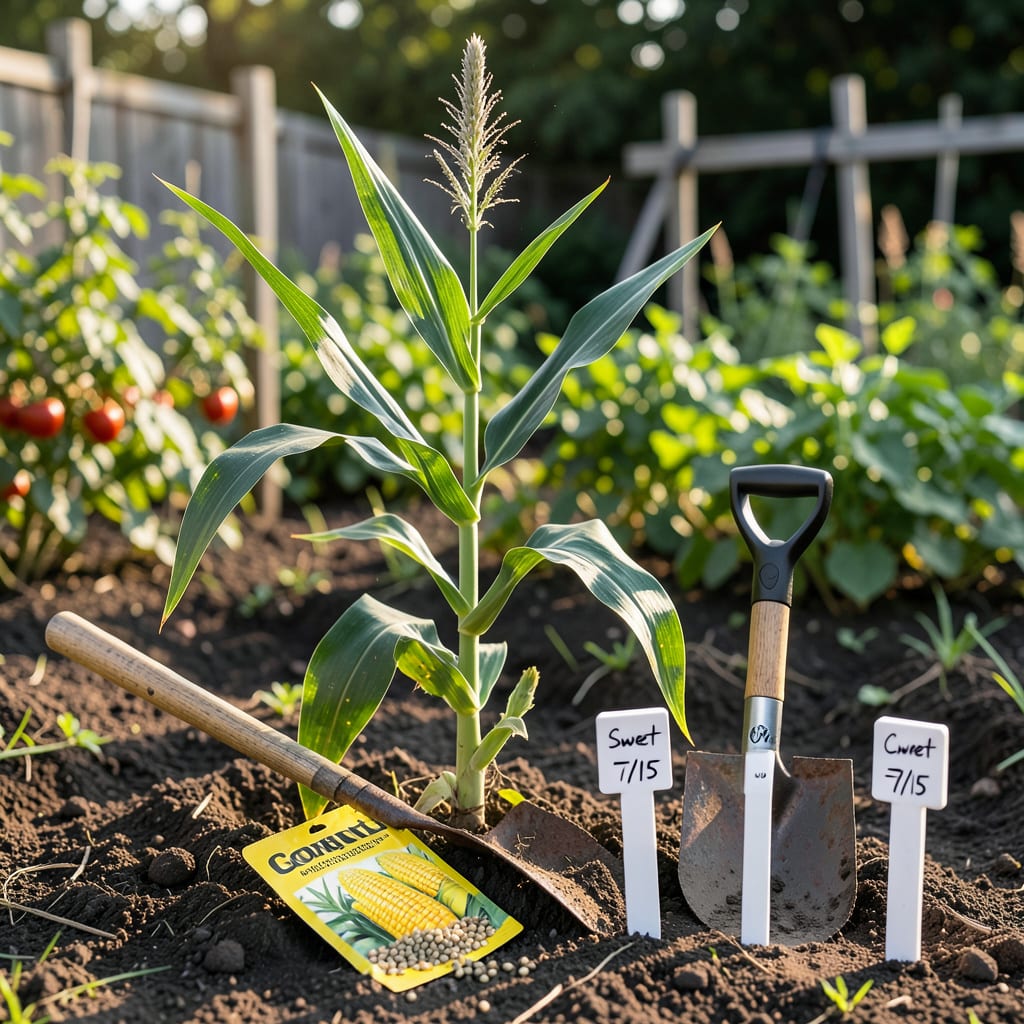
There’s nothing like biting into a juicy ear of homegrown corn—sweet, crisp, and bursting with flavor. But in Maryland, timing your planting wrong can mean the difference between a bountiful harvest and a disappointing one.
I’ve seen gardeners struggle when they plant too early in our unpredictable Zone 7a-7b springs. The trick? Waiting for that perfect window when the soil is warm enough and frost is no longer a threat. Let’s break down exactly when to get your 🌽 in the ground for the best results.
If you’re dreaming of biting into sweet Maryland-grown corn this summer, timing your planting is everything. Maryland’s Zone 7 climate gives us a generous growing season, but corn won’t thrive if the soil is too cold or if you plant too late. I’ve found that soil temperature—not just air temperature—is the real game-changer.
Most Maryland gardeners can safely plant corn after the last frost date, which typically falls between April 10–20. But here’s the catch: corn seeds need soil temps of 50°F or higher to germinate well. In cooler springs, that might mean waiting until late April or early May, even if the air feels warm.
| Planting Factor | Maryland Zone 7 Details |
|---|---|
| Last Frost Date | April 10–20 (coastal areas may be earlier) |
| Soil Temp for Germination | Minimum 50°F (ideal: 60°F+) |
| Early Varieties | Plant April 15–May 1 (60–70 days to harvest) |
| Mid/Late Varieties | Plant May 1–June 1 (75–90 days to harvest) |
| Coastal vs. Piedmont | Coastal areas warm faster; Piedmont may need 1–2 weeks delay |
| Harvest Window | July–September (succession plant every 2 weeks) |
I always check my soil temperature with a thermometer before planting. If you’re in coastal Maryland, your soil might warm up faster than in the Piedmont region, where cooler nights can linger. For early varieties like ‘Early Sunglow’, aim for late April. For sweeter, longer-maturing types like ‘Peaches and Cream’, early May is perfect.
Maryland’s summers can get hot, but corn loves the warmth—just make sure it gets consistent moisture. If you’re planting in heavy clay soil, common in parts of the state, work in compost to improve drainage. I’ve had great success with raised beds in areas where soil stays soggy after spring rains.
For a continuous harvest, try succession planting. Sow a new batch every 10–14 days until early June. This way, you’ll have fresh corn from July through September. Just remember: corn is wind-pollinated, so plant in blocks of at least 4 rows for better kernel development.
If you’re dealing with unpredictable spring weather, consider using black plastic mulch to warm the soil faster. This trick can give you a 1–2 week head start in cooler areas. And don’t forget to side-dress with nitrogen when plants are knee-high—Maryland’s soils often need that extra boost for robust growth.
Watch out for corn earworms and raccoons, two common Maryland pests. I use floating row covers early in the season and switch to organic sprays like neem oil if needed. For raccoons, a simple electric fence or motion-activated sprinkler can save your crop.
By mid-July, you should see tassels forming—that’s your sign that ears are on the way! Keep the water coming, especially during silking and ear development. In Maryland’s humid summers, morning watering helps prevent fungal issues while keeping plants hydrated.
Finally, don’t rush harvest. Wait until the silks turn brown and the kernels release milky liquid when pierced. That’s when you’ll get the sweetest, juiciest corn—perfect for summer barbecues or freezing for winter meals. Trust me, nothing beats the taste of corn picked at its peak!
With these tips, you’ll be enjoying homegrown Maryland corn all season long. Just remember: patience and timing are key, and your soil thermometer is your best friend! 🌽
Even experienced gardeners can stumble when growing corn in Maryland’s Zone 7 climate. I’ve seen firsthand how small oversights can lead to stunted plants or empty ears. The good news? Most issues are preventable with a little know-how.
One of the biggest mistakes is planting too early when soil temperatures are still below 50°F. Corn seeds will rot in cold, wet ground. Always use a soil thermometer—don’t guess! Another common error is ignoring pollination needs. Corn is wind-pollinated, so planting in single rows often results in poor kernel development.
Many Maryland gardeners also underestimate spacing requirements. Crowded corn competes for nutrients and water, leading to smaller ears. I recommend 12–18 inches between plants and 30–36 inches between rows. This gives roots room to spread in our sometimes-compacted soils.
Another overlooked factor is soil preparation. Maryland’s clay soils can become waterlogged, suffocating young roots. Before planting, I work in 2–3 inches of compost and consider raised beds if drainage is poor. A quick soil test can reveal if you need to adjust pH (corn prefers 6.0–6.8).
Watering mistakes are equally damaging. Corn needs 1–1.5 inches of water weekly, especially during tasseling and ear development. In Maryland’s humid summers, morning watering prevents fungal issues while ensuring deep root penetration. Drip irrigation works better than overhead sprinklers for even moisture.
Finally, don’t forget about pest prevention. Maryland’s corn crops often face raccoons and corn earworms. I use floating row covers early in the season and switch to organic sprays like neem oil as plants mature. For raccoons, a simple electric fence or motion-activated sprinkler can save your harvest.
By avoiding these common pitfalls, you’ll set your Maryland corn crop up for success. Remember: corn grows fast once conditions are right, so getting the timing, spacing, and care correct from the start makes all the difference. Your reward? Crisp, sweet ears that’ll make your neighbors jealous! 🌽
Choosing the right corn variety can make or break your Maryland harvest. In our Zone 7 climate, you’ll want types that handle humidity well and mature within our 180-day frost-free window. I’ve tested dozens of varieties and found these perform best in our state’s conditions.
For early harvests, ‘Early Sunglow’ (62 days) is my top pick. It germinates well in Maryland’s sometimes-cool springs and produces sweet, tender kernels by early July. If you prefer bicolor corn, ‘Peaches and Cream’ (80 days) offers incredible flavor and does well in our hot summers.
| Variety | Days to Harvest | Type | Maryland Adaptability | Best For |
|---|---|---|---|---|
| Early Sunglow | 62 | Yellow Sweet | Excellent (cool spring tolerance) | Early plantings, small gardens |
| Bodacious | 75 | Yellow Sweet | Very Good (disease resistant) | Main crop, freezing |
| Peaches and Cream | 80 | Bicolor | Excellent (heat tolerant) | Summer harvests, fresh eating |
| Country Gentleman | 90 | Heirloom (shoepeg) | Good (needs consistent moisture) | Unique kernels, gourmet use |
| Ambrosia | 78 | Super-Sweet | Very Good (high sugar content) | Late plantings, extended season |
For Maryland’s hot, humid summers, I recommend ‘Ambrosia’ (78 days), a super-sweet variety that maintains its sugar content even in heat. Its tender kernels stay sweet longer after picking—perfect for gardeners who can’t harvest daily.
If you love heirloom varieties, ‘Country Gentleman’ (90 days) produces unique irregular kernels that are sweeter than modern hybrids. Just be prepared to give it extra water during dry spells, as heirlooms are less drought-tolerant than newer varieties.
For small Maryland gardens, consider ‘Golden Bantam’ (80 days), a compact heirloom that grows well in containers or small plots. Its 5-6 foot stalks are easier to manage than standard 8-foot varieties, while still delivering that classic corn flavor.
Remember, Maryland’s coastal areas may support slightly earlier planting of heat-loving varieties, while Piedmont gardens might need to stick with earlier-maturing types. Always check your local microclimate and adjust accordingly for the sweetest, most reliable harvest. 🌽
For a reliable harvest, plant by early June at the latest. Varieties with 75-90 day maturity will still produce if sown by this date. Later plantings risk not maturing before fall’s cooler temperatures arrive.
Use a soil thermometer inserted 2-3 inches deep at planting depth. Take readings in the morning for 3 consecutive days. Maryland corn needs consistent 50°F+ readings before sowing seeds.
While challenging, dwarf varieties like ‘Golden Bantam’ can grow in 5-gallon containers. Ensure full sun exposure and daily watering. Expect smaller yields compared to in-ground planting.
Install a 2-foot electric fence or use motion-activated sprinklers. Harvest promptly when ears mature, as raccoons target ripe corn. Some gardeners use blood meal as a deterrent around the perimeter.
Plant super-sweet varieties like ‘Ambrosia’ and harvest at peak ripeness. Ensure consistent watering during silking and avoid stressing plants. Morning harvest preserves sugar content before daytime heat converts it to starch.
