
Beautiful Plants For Your Interior
Beautiful Plants For Your Interior
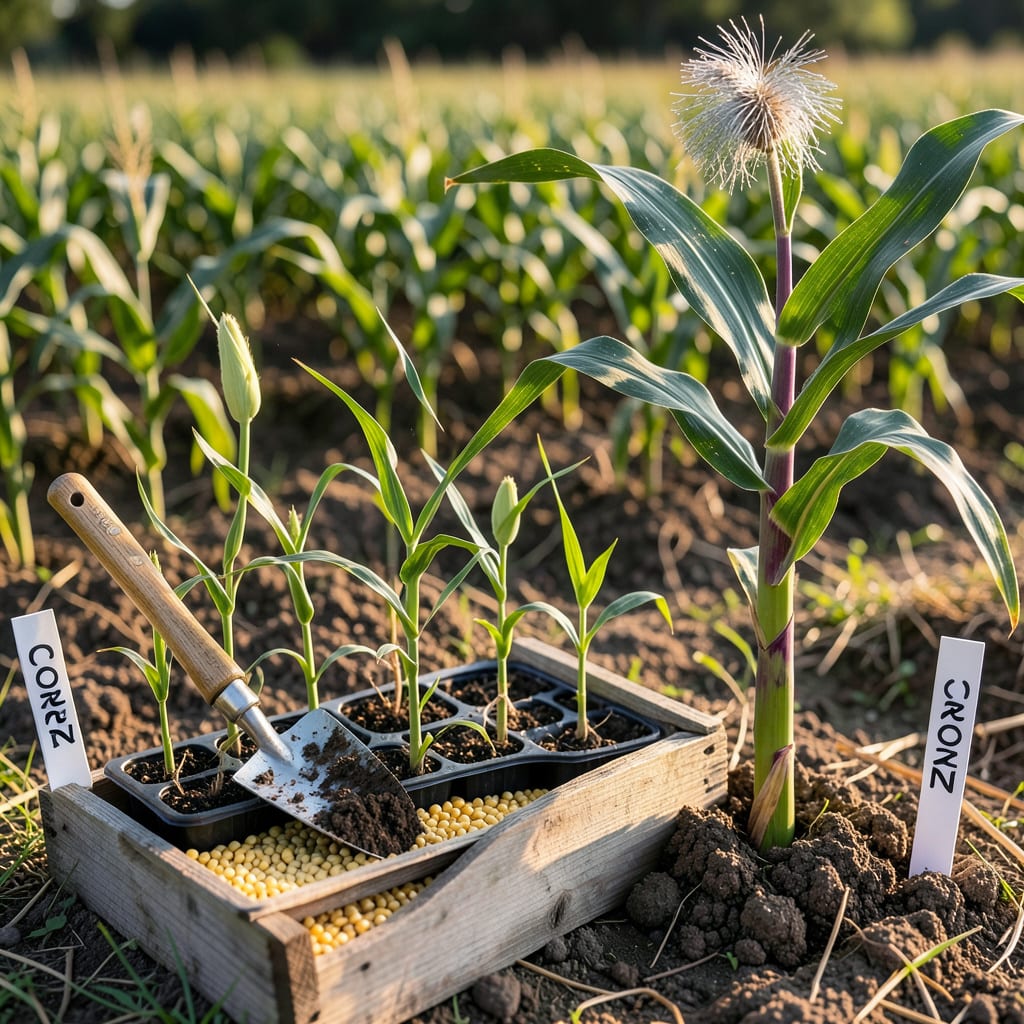
Nothing beats the taste of fresh homegrown corn—but in Louisiana, timing your planting wrong can mean stunted stalks or dried-out kernels. The difference between a bountiful harvest and disappointment often comes down to just a few weeks.
I’ve seen gardeners struggle with soggy spring soil or scorching summer heat, not realizing Louisiana’s unique climate demands precision. Let me show you exactly how to nail that perfect planting window for sweet, juicy 🌽 that thrives in Zones 8a-9b—without the guesswork.
Getting your corn planting timing right in Louisiana means the difference between stunted seedlings and sweet, juicy ears. Our state’s humid subtropical climate gives us a long growing season, but timing varies dramatically between North Louisiana (Zone 8a) and the coastal parishes (Zone 9b).
The soil temperature is your best guide—corn seeds need 60°F or warmer to germinate properly. In southern Louisiana, that often means late February plantings, while northern gardeners should wait until mid-March to avoid late frosts.
| Region | USDA Zone | Spring Planting | Fall Planting | Notes |
|---|---|---|---|---|
| North LA (Shreveport, Monroe) |
8a | March 15–April 15 | July 15–Aug 1 | Watch for late frosts; use black plastic mulch to warm soil faster. |
| Central LA (Alexandria, Baton Rouge) |
8b-9a | March 1–April 1 | July 1–July 20 | Mississippi River Delta areas may need raised beds for drainage. |
| South LA (Lafayette, New Orleans) |
9a-9b | Feb 15–March 15 | June 15–July 10 | High humidity increases fungal risk—space plants for airflow. |
Source: Adapted from LSU AgCenter guidelines. Soil temp should be ≥60°F at 4″ depth.
For spring planting, I always recommend early-maturing varieties like ‘Golden Bantam’ (70 days) or ‘Silver Queen’ (92 days) to beat the summer heat. In southern parishes, you can often sneak in a second crop by planting in late June for a fall harvest.
The Mississippi River Delta and Red River Valley have heavier clay soils that warm slower. If you’re in these areas, consider raised beds or black plastic mulch to speed up warming. I’ve found that soil thermometers (available at any garden center) are worth their weight in gold—don’t guess!
Remember that corn is wind-pollinated, so plant in blocks of at least 4 rows rather than single long rows. This ensures better kernel fill. In humid areas, leave 12–15 inches between plants to reduce fungal diseases like southern blight.
If you’re aiming for a fall crop, start seeds 100–110 days before your first expected frost. For most of Louisiana, that means planting by early August. Fall corn often has fewer pest pressures but may need extra irrigation as rains taper off.
Pro tip: Succession planting works well in Louisiana’s long season. Stagger plantings 2–3 weeks apart for continuous harvests. Just be sure your last planting has 90 days to mature before cool weather sets in—corn stops growing when temps drop below 50°F.
For the sweetest corn, focus on soil prep before planting. Work in 2–3 inches of compost and aim for a pH of 6.0–6.8. Louisiana’s acidic soils often need lime applications—test your soil before amending. I like to add a balanced fertilizer (10-10-10) at planting and again when plants are knee-high.
Finally, watch the 10-day forecast before planting. If heavy rains are predicted, hold off—waterlogged soil can rot seeds. After planting, mulch heavily to retain moisture and suppress weeds. In Louisiana’s heat, consistent watering (1–1.5 inches per week) is key, especially during tasseling and ear development.
Even with perfect timing, your corn seeds won’t thrive if the soil isn’t ready. Louisiana’s variable clay content and humidity levels make soil prep especially important. I’ve learned the hard way that guessing rarely works—here’s how to test properly.
The soil temperature is your first checkpoint. Corn needs 60°F minimum at 4-inch depth to germinate well. In southern parishes, this often happens by mid-February, while northern areas may lag by 3–4 weeks. A simple $10 soil thermometer saves endless frustration.
Pro Tip: Test in morning sunlight for accurate temp readings. Shaded areas warm slower.
Louisiana’s clay-heavy soils in the Red River Valley and Delta region need extra attention. If your soil forms tight clumps when wet, mix in 2–3 inches of compost or pine bark fines to improve drainage. I’ve had best results with raised rows (6–8 inches high) in low-lying areas.
The “ball test” reveals hidden issues. Take a golf-ball-sized soil sample and drop it from waist height. If it shatters, your soil’s too dry. If it holds together, you’re in the sweet spot. This simple test prevents poor germination from overly dry or compacted soil.
Don’t overlook soil pH. Louisiana’s natural acidity (often pH 5.5–6.0) can lock out nutrients. Test with a home kit or send to LSU AgCenter. For corn, aim for pH 6.0–6.8. If needed, add pelletized lime (follow package rates) 2–3 months before planting.
Finally, check for earthworm activity—a sign of healthy soil. Dig a 12″ hole; if you find 3+ worms, your soil’s biologically active. Fewer worms? Add compost tea or worm castings before planting. This boosts microbial life that helps corn roots access nutrients in our humid climate.
Remember: Corn seeds rot in waterlogged soil. After heavy rains, wait 3–5 days before planting, even if temps are right. I use raised beds with 50% native soil/50% compost mix in my New Orleans garden—it drains perfectly while retaining moisture during our summer dry spells.
Louisiana’s humid subtropical climate creates unique challenges for corn growers. Even experienced gardeners sometimes make mistakes that cost them their harvest. Let me share the five most common pitfalls I’ve seen—and how to avoid them.
First up: planting too early in cold, wet soil. Corn seeds need 60°F soil temps to germinate properly. In North Louisiana, impatient gardeners often plant in February only to face rotten seeds or weak seedlings.
Recovery Tip: For waterlogged seeds, replant immediately in raised rows with fresh seed.
Another critical mistake: ignoring pollination timing. Corn is wind-pollinated, and high humidity can interfere. Plant in blocks (4+ rows) rather than single rows for better pollen transfer. I’ve seen poorly filled ears when gardeners plant one long row.
Pest pressure is another major issue. Corn earworms and fall armyworms thrive in our climate. For spring plantings, choose early-maturing varieties to harvest before peak pest season. For fall crops, apply BT (Bacillus thuringiensis) spray when silks appear.
Many gardeners also underestimate water needs during critical stages. Corn requires 1-1.5 inches weekly, especially when tasseling and forming ears. In July-August heat, I water every 3-4 days using soaker hoses to keep foliage dry and prevent fungal issues.
Finally, don’t overlook variety selection. In South Louisiana, fast-maturing types like ‘Early Sunglow’ (65 days) perform better than long-season varieties. In cooler North Louisiana, you can try ‘Ambrosia’ (75 days) for extra sweetness. Always match your days-to-maturity with your region’s growing window.
Remember: Louisiana’s long growing season is a blessing, but our heat, humidity, and pests demand extra attention. Test your soil, choose appropriate varieties, and stay vigilant about watering. With these precautions, you’ll avoid the most common mistakes and enjoy plump, sweet corn all season long 🌽
In Zone 9a-9b (Lafayette, New Orleans), you can start as early as mid-February if soil temps reach 60°F. Use a soil thermometer to confirm—don’t rely on calendar dates alone. Coastal parishes warm faster than inland areas.
Not quite, but you can get close! Plant spring crops (Feb–April) and fall crops (June–July) for two harvests. Avoid winter—corn won’t survive frost or temps below 50°F. Summer heat can stress late plantings.
Plant in raised rows (6–8” high) or mounds to improve drainage. Wait 3–5 days after heavy rain before planting. In flood-prone areas, consider black plastic mulch to warm soil faster and reduce mud.
Opt for early-maturing, disease-resistant types like ‘Golden Bantam’ (70 days) or ‘Early Sunglow’ (65 days). These handle heat and humidity better than long-season varieties. For fall crops, try ‘Ambrosia’ (75 days).
This usually means poor pollination, common in Louisiana’s high humidity. Plant in blocks (4+ rows) for better wind pollination. Avoid single long rows. Drought during tasseling can also cause this—keep soil moist!
