
Beautiful Plants For Your Interior
Beautiful Plants For Your Interior
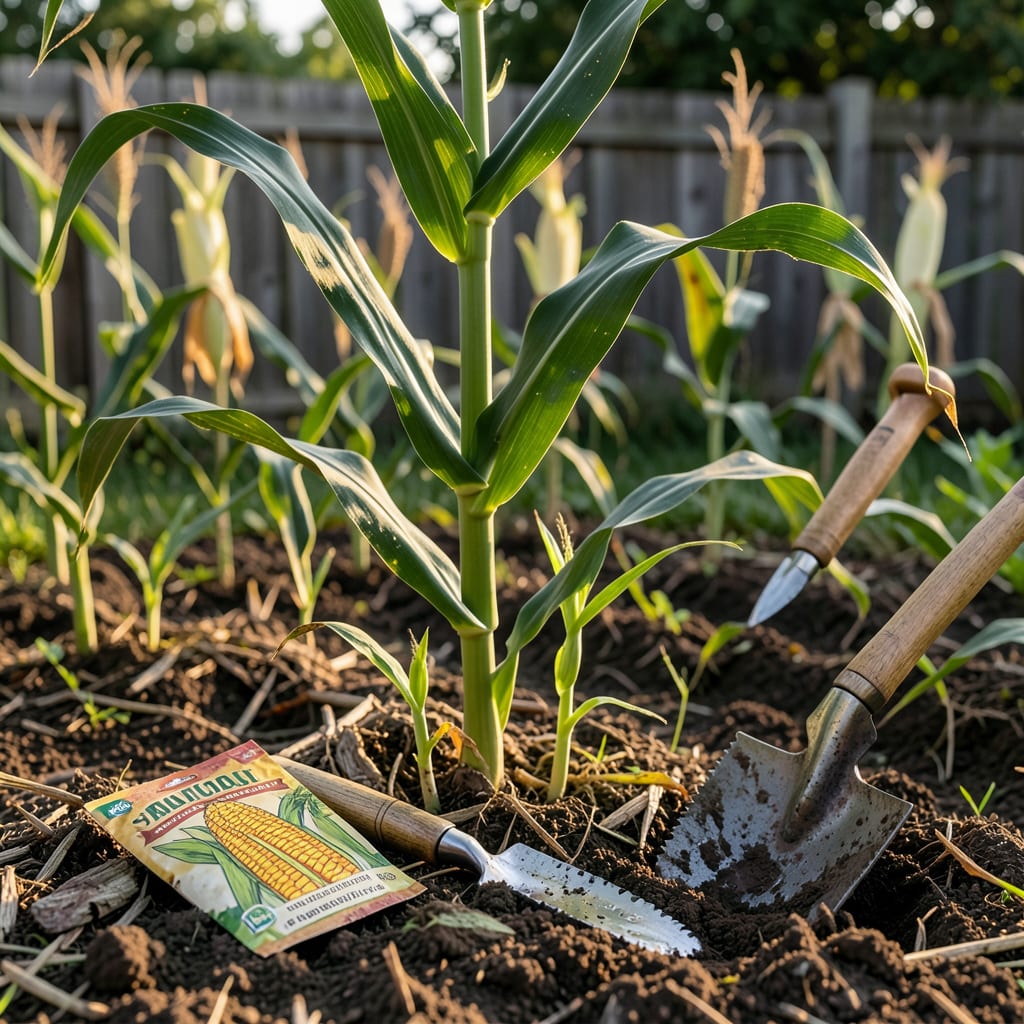
Timing your corn planting in Kentucky can mean the difference between a bountiful harvest and a disappointing one. Plant too early, and a late frost might wipe out your seedlings. Wait too long, and you’ll miss that perfect window for juicy, sweet kernels.
I’ve spent years testing the ideal planting dates across Kentucky’s zones 6b-7a, and the sweet spot is narrower than you might think. Let’s break down exactly when to get those seeds in the ground—so you can enjoy the best corn of your life come July to September.
If you’re dreaming of juicy, homegrown Kentucky sweet corn, timing your planting is critical. Kentucky spans USDA zones 6a to 7b, meaning your planting window shifts slightly depending on where you live. The key is waiting until soil temps hit 50°F—corn seeds won’t germinate in cold ground.
Western Kentucky tends to warm up faster than the eastern mountains, so gardeners in Paducah or Bowling Green can often plant a week or two earlier than those in Pikeville or Ashland. Always check your local last frost date—most of KY sees its final frost by mid-April, but higher elevations may lag behind.
| Zone | Last Frost Date | Earliest Planting | Ideal Window | Soil Temp Threshold |
|---|---|---|---|---|
| 6a | April 15–20 | Late April | May 1–15 | 50°F+ |
| 6b | April 10–15 | Mid-April | April 20–May 10 | 50°F+ |
| 7a | April 5–10 | Early April | April 15–May 1 | 50°F+ |
| 7b | March 30–April 5 | Late March | April 10–25 | 50°F+ |
Note: Soil temps lag behind air temps—use a soil thermometer to confirm readiness. Planting in cold, wet soil risks poor germination.
For early-season corn, I recommend using black plastic mulch to warm the soil faster in cooler zones. This trick can give you a 1–2 week head start, especially in shaded or windy areas. Just lay the plastic 2–3 weeks before planting to let the sun heat the ground.
If you’re in western KY (zones 7a–7b), you might sneak in a second planting in late June for a fall harvest. However, avoid planting after July 1—corn needs 60–100 days to mature, and early frosts can cut your harvest short.
Kentucky’s clay-heavy soils can stay cold and wet longer in spring. If your garden is slow to warm, consider raised beds or mounded rows to improve drainage and speed up warming. A soil test is also wise—corn thrives in pH 6.0–6.8.
For succession planting, space your plantings 10–14 days apart to extend your harvest. This works best in zones 6b–7b, where the growing season is longer. In cooler areas, stick to a single planting to ensure full maturity before frost.
Watch the 10-day forecast before planting. Even if soil temps are right, a cold snap can stunt young seedlings. If temps dip below 32°F after planting, cover seedlings with frost cloth or plastic jugs to protect them.
In eastern KY’s mountains, microclimates vary dramatically. Valley floors may be ready by mid-April, while higher slopes could need to wait until early May. Talk to local gardeners or your county extension office for hyper-local advice.
Remember, corn is wind-pollinated, so plant in blocks of at least 4 rows (not single long rows) for better pollination. Poor pollination leads to missing kernels, so spacing matters! Aim for 12–18 inches between plants and 30–36 inches between rows.
Finally, keep an eye on soil moisture after planting. Corn seeds need consistent moisture to germinate but can rot in waterlogged soil. A light mulch of straw or grass clippings helps retain moisture without suffocating seeds.
Even experienced Kentucky gardeners can sabotage their corn crop by making a few common mistakes. I’ve seen it happen too often—stunted plants, poor germination, or sparse ears—all because of avoidable errors. Let’s tackle the top three pitfalls so your corn thrives this season.
First up: planting in cold soil. Corn seeds need soil temps above 50°F to germinate properly. If you rush and plant when the ground is still chilly, you’ll face slow sprouting or even seed rot. Always use a soil thermometer—don’t guess!
Fix these, and you’ll see fuller ears and higher yields!
Another big mistake? Skipping soil prep. Kentucky’s clay-heavy soils can compact easily, suffocating roots. Before planting, work in 2–3 inches of compost to improve drainage and add nutrients. If your soil is particularly dense, consider raised beds or mounded rows to give roots room to spread.
Finally, don’t overlook spacing for pollination. Corn is wind-pollinated, so planting in single long rows often results in poorly filled ears. Instead, plant in blocks of 4+ rows, spacing seeds 12–18 inches apart with 30–36 inches between rows. This ensures pollen spreads evenly for plump, well-formed kernels.
One more pro tip: Don’t plant all your corn at once. Stagger plantings 10–14 days apart to extend your harvest. This works especially well in zones 6b–7b, where the season is long enough for succession planting. In cooler zones, stick to one planting to guarantee maturity before frost.
Lastly, watch for pests like cutworms and diseases such as southern rust. Kentucky’s humid summers create perfect conditions for fungal issues. Choose disease-resistant varieties like ‘Bodacious’ or ‘Ambrosia’ and rotate crops yearly to keep soil healthy. A little prevention saves a lot of heartache later!
Not all corn thrives in Kentucky’s humid summers and clay-rich soils. After testing dozens of varieties, I’ve found the best performers for KY gardens—focused on disease resistance, early maturity, and sweet flavor. Let’s dig into the top picks for your zone.
For early-season planting (especially in cooler zones like 6a–6b), I love ‘Bodacious’. This 75-day hybrid handles Kentucky’s unpredictable springs and resists common rust. Its 8-inch ears pack sweet, tender kernels perfect for fresh eating.
Pro Tip: In western KY, try ‘Country Gentleman’ (90 days) for late-summer harvests. Its shoepeg kernels are a KY favorite!
If you’re in warmer zones (7a–7b), ‘Ambrosia’ is my top pick. Its extra-sweet kernels stay tender longer, but it needs soil temps above 55°F to thrive. For drought-prone areas, ‘Silver Queen’ (92 days) tolerates heat and irregular watering better than most.
For organic gardeners, ‘Trinity’ (80 days) is a standout. This open-pollinated variety resists southern leaf blight and produces 7–8-inch ears with deep, sweet flavor. Save seeds from your best ears to adapt it to your microclimate over time.
Don’t overlook white corn varieties like ‘Country Gentleman’ (90 days). Its irregular kernels are a conversation starter, and it holds sweetness longer after picking. Perfect for KY gardeners who love heirloom flavors and don’t mind a longer growing season.
For container gardeners, ‘On Deck’ (65 days) is a game-changer. This compact hybrid grows just 4–5 feet tall but produces 6-inch ears. Use 5-gallon buckets with drainage holes and a trellis for support in windy areas.
Gardeners in zones 7a–7b (like Paducah or Bowling Green) can start as early as late March to early April. Always confirm soil temps are 50°F+ first—use a thermometer for accuracy.
Yes, but only in warmer zones (7a–7b). Try a second planting in late June for a fall harvest. Avoid planting after July 1—corn needs 60–100 days to mature before frost.
Use a soil thermometer to check at 2–3 inches deep. Ideal temps are 55°F+; below 50°F, seeds may rot. In clay-heavy areas, black plastic mulch can speed warming by 1–2 weeks.
Cover young plants with frost cloth or cut plastic jugs if temps dip below 32°F. Remove covers during the day to prevent overheating. Eastern KY’s mountains may need extra caution—check local forecasts!
This usually means poor pollination. Plant in blocks of 4+ rows (not single rows) so wind can distribute pollen. Spacing plants 12–18 inches apart also helps. Avoid overhead watering during tasseling.
