
Beautiful Plants For Your Interior
Beautiful Plants For Your Interior
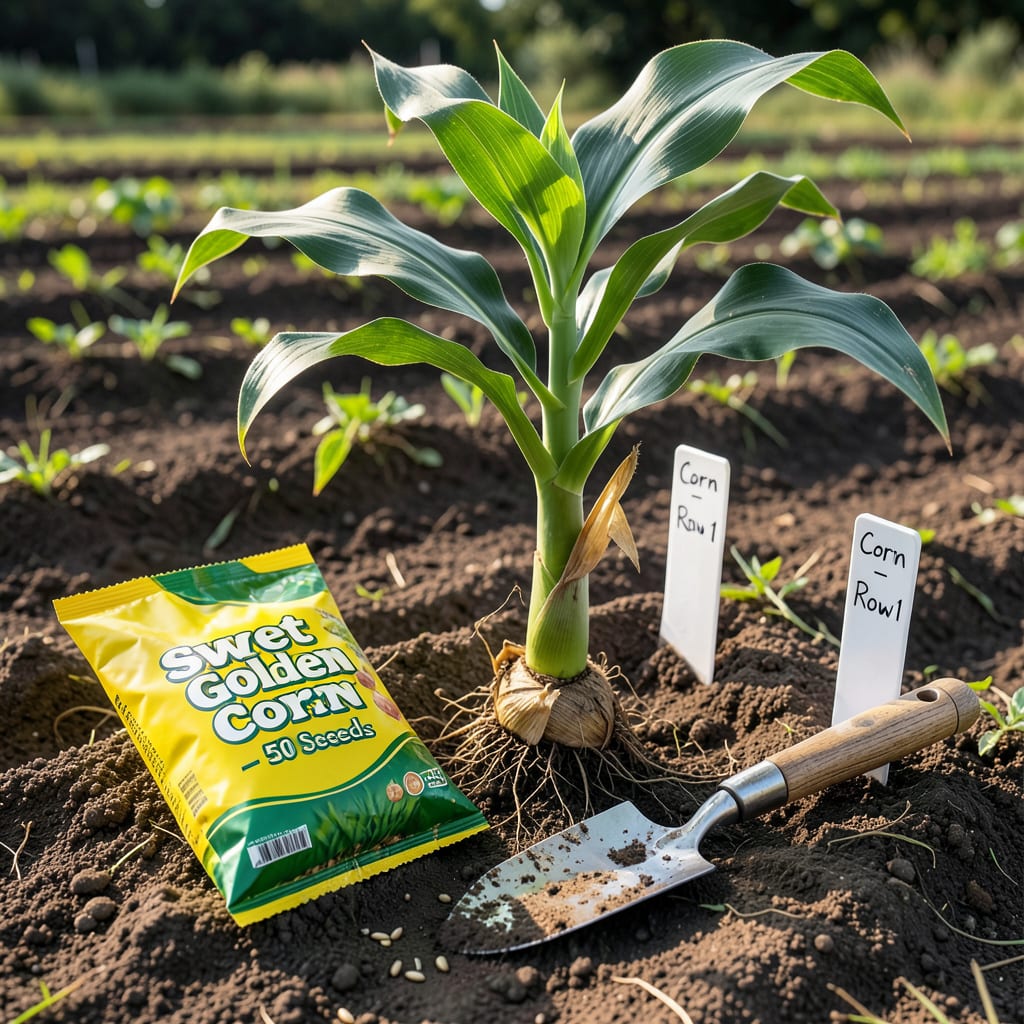
Timing your corn planting in Kentucky can mean the difference between juicy, golden ears and a disappointing harvest. I’ve seen too many gardeners rush into planting only to have late frosts or summer droughts sabotage their crop.
After years of testing and talking with local farmers, I’ve nailed down the perfect window for Kentucky’s climate. Let me show you exactly when to get those seeds in the ground for sweeter, fuller kernels—without the guesswork.
If you’re eager to grow sweet corn in Kentucky, timing is your secret weapon. The Bluegrass State spans USDA Zones 6b-7a, meaning your planting window can shift by 2-3 weeks depending on where you live. I’ve found that soil temperature matters more than calendar dates—corn seeds rot in cold, wet ground.
Most Kentucky gardeners can safely plant after the last spring frost, typically around April 15 in Central KY (Lexington, Louisville) and slightly earlier in the west (Paducah). But don’t just watch the calendar—grab a soil thermometer and wait until you hit 55°F consistently at 4-inch depth.
| Region | Last Frost Date | Ideal Planting Window | Soil Temp Threshold |
|---|---|---|---|
| Western KY | April 5-10 | April 10 – May 10 | 55°F+ (60°F ideal) |
| Central KY | April 15-20 | April 20 – May 20 | 55°F+ (60°F ideal) |
| Eastern KY | April 20-25 | April 25 – May 25 | 55°F+ (60°F ideal) |
*Data based on 30-year climate averages. Always check local NWS forecasts for current conditions.
For early-season corn like ‘Sugar Buns’ or ‘Early Sunglow’, you can push the envelope by 1-2 weeks if using row covers or black plastic mulch to warm soil. I’ve had success with these varieties in Lexington by planting as early as April 10 with protection.
Urban gardeners in Louisville or Lexington often deal with “heat islands” that warm soil faster. If you’re in the city, check your soil temps—you might plant 7-10 days earlier than rural areas. Use a digital soil thermometer ($10 at garden centers) for accuracy.
Late plantings (after June 1) risk poor pollination during Kentucky’s hottest months. If you must plant late, choose short-season varieties like ‘Quickie’ (65 days) or ‘Golden Bantam’ (80 days) and increase watering to 1.5 inches weekly.
Pro tip: Kentucky’s moon phase plantings are legendary. Many old-timers swear by planting corn during the “dark of the moon” (new moon phase) for stronger roots. While science is mixed, I’ve seen robust crops using this method in my Berea garden.
Don’t forget succession planting! For continuous harvests, I plant three batches 10-14 days apart. My last planting goes in by May 25 to avoid fall frost damage. This staggers harvests from July through September.
If you’re in the Appalachian foothills (eastern KY), watch for late frosts in hollows. I use wall-o-water protectors for early plantings in places like Pikeville. These can buy you 2-3 weeks of growing time in cooler microclimates.
Remember: Corn is wind-pollinated, so plant in blocks of at least 4 rows (not single long rows) for good kernel fill. In small gardens, try ‘Miniature Popcorn’ varieties that only need 3×3 foot blocks for successful pollination.
For real-time updates, bookmark the UK Cooperative Extension‘s planting alerts. They provide county-specific recommendations that account for annual weather variations—your best defense against Kentucky’s unpredictable springs. 🌱
Planting corn in Kentucky isn’t just about picking a date on the calendar. After years of testing different approaches, I’ve learned that four key factors can make or break your harvest. The first is soil temperature—corn seeds won’t germinate well below 50°F, and they’ll rot in cold, wet conditions.
I always use a soil thermometer to check conditions at 4-inch depth. Even if air temperatures feel warm, the soil might still be too chilly. In my Lexington garden, I’ve seen 10-degree differences between air and soil temps during early spring. This simple tool prevents costly mistakes.
The second game-changer is variety selection. Kentucky’s growing season ranges from 180-200 days, but not all corn varieties fit this window. I recommend ‘Bodacious’ (75 days) for most gardeners—it’s sweet, reliable, and handles our humidity well.
For cooler areas like the Appalachian foothills, try ‘Early Sunglow’ (65 days). In warmer western Kentucky, you can experiment with longer-season varieties like ‘Silver Queen’ (92 days). Always check the “days to maturity” on seed packets and count backward from your expected first frost.
Kentucky’s moon phase planting tradition might surprise you. While not scientifically proven, many experienced farmers (including my grandfather) swear by planting corn during the new moon. The theory is that moisture levels are higher, promoting better germination. I’ve had excellent results with this method in my Berea garden.
Companion planting dramatically affects corn success too. I always interplant with beans (they fix nitrogen) and squash (living mulch). Avoid planting near tomatoes—they compete for nutrients and attract similar pests. This “Three Sisters” method (corn, beans, squash) has been used for centuries and works beautifully in Kentucky’s climate.
Finally, real-time adjustments are crucial. Kentucky weather is unpredictable—late frosts in May aren’t uncommon. I use the National Weather Service’s Louisville office for hyper-local forecasts and set up soil temperature alerts using smart garden sensors. When unexpected cold snaps hit, I’m ready with row covers or wall-o-water protectors. 🌱
Planting corn at the wrong time in Kentucky can lead to some serious disappointments. I’ve seen firsthand how mistimed planting affects everything from germination to final yield. When you plant too early, those tender seeds often rot in cold, wet soil before they even sprout. Kentucky’s unpredictable springs mean late frosts can wipe out young seedlings overnight.
I remember one year in my Lexington garden when I planted ‘Peaches and Cream’ corn in early April during a warm spell. A week later, temperatures dropped to 28°F, and I lost half my crop. Now I always wait until soil temps hit 55°F consistently—no exceptions. Even with row covers, pushing the season too early rarely pays off in Kentucky’s climate.
*Both scenarios can be mitigated with proper techniques (see recovery tips below)
Planting too late brings its own set of problems. Kentucky’s summers get hot and dry, especially in July when corn should be pollinating. I’ve seen late-planted corn produce half-empty ears because the silk dried out before pollen could reach it. The ideal window closes by early June in most of the state—after that, you’re fighting the calendar.
There are ways to recover from mistimed planting. For early plantings hit by frost, I use wall-o-water protectors or make miniature greenhouses with PVC hoops and plastic. These can raise soil temps by 5-10°F and protect against light frosts. If you’ve planted late, drip irrigation becomes essential—corn needs 1.5 inches of water weekly during tasseling to set good ears.
One trick I’ve learned for late plantings is to choose fast-maturing varieties like ‘Quickie’ (65 days) or ‘Early Sunglow’ (65 days). These can still produce decent yields if planted by June 10 in Central Kentucky. I also add extra compost to help plants establish quickly and mulch heavily with straw to retain moisture during our hot summers.
Remember that corn is wind-pollinated, so late plantings often suffer from poor pollination. If you must plant late, try hand-pollinating by gently shaking the tassels over the silks each morning. This simple technique has saved many of my late-season corn patches from producing sparse, poorly-filled ears. 🌽
Use a digital soil thermometer to measure at 4-inch depth in the morning. Corn needs 55°F minimum (60°F+ is ideal) for proper germination. Check for 3 consecutive days of consistent temps before planting.
Not recommended—corn needs 6-10 feet of height and extensive root space. If attempting, use 5-gallon minimum containers per plant and dwarf varieties like ‘Miniature Popcorn’. Expect lower yields compared to in-ground planting.
For reliable harvests, plant by June 1 in Lexington/Louisville areas. After this, choose fast-maturing varieties (65-70 days) and increase watering. Late plantings risk heat stress during pollination.
Many farmers plant during the new moon phase, believing higher moisture levels improve germination. While not scientifically proven, this method has been used for generations. Try it alongside soil temp checks for best results.
Cover seedlings with frost blankets or wall-o-water protectors immediately. Water the soil before sunset—moist ground retains heat better. Remove covers mid-morning to prevent overheating. Snow or light frost won’t harm protected plants.
