
Beautiful Plants For Your Interior
Beautiful Plants For Your Interior
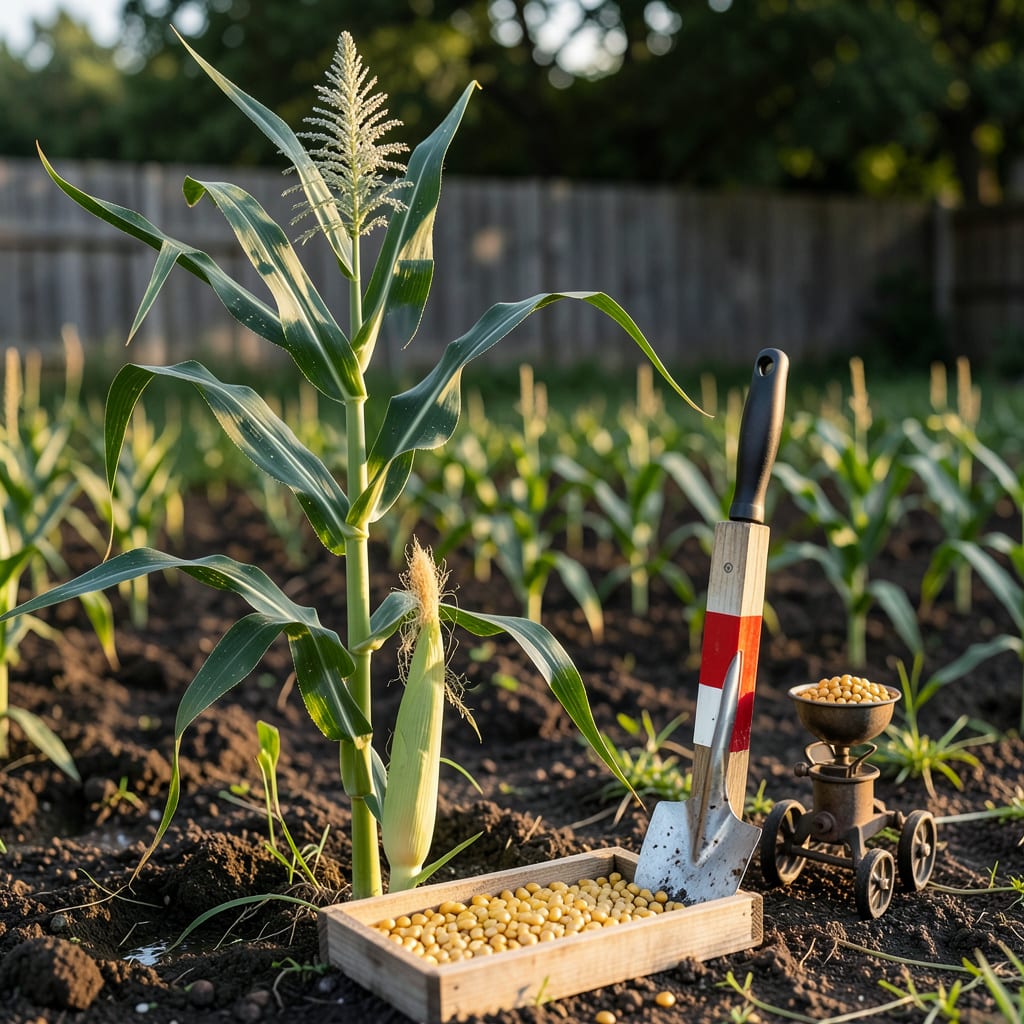
Timing is everything when it comes to growing 🌽 corn in Kansas—plant too early, and frost might ruin your crop; wait too long, and you’ll miss the prime window. I’ve seen gardeners lose weeks of growth just by guessing instead of checking one critical factor.
The difference between a thriving harvest and a disappointing one often comes down to soil temperature, not just the calendar. Let me show you exactly when to get those seeds in the ground for the best results—and why late April to early June is your sweet spot in zones 6a-7a.
If you’re eager to get your Kansas corn crop started, I get it—but don’t let the calendar fool you. The real secret lies in your soil temperature, not just the date. Corn seeds need consistent warmth to germinate properly, and planting too early in cold soil can lead to poor stands or rot.
In Kansas, we’re looking for a minimum soil temperature of 55°F, but 60°F or higher is ideal for strong, uniform germination. Air temperature might hit 70°F in April, but if the soil is still chilly, those seeds won’t cooperate. That’s why I always recommend using a soil thermometer—it’s the only way to know for sure.
Here’s how I check my soil like a pro: Insert the thermometer 2–4 inches deep where you plan to plant, and take readings for 3 consecutive mornings. If it’s consistently at or above 60°F, you’re good to go. If not, hold off—patience pays off with better germination rates and stronger seedlings.
Kansas has microclimate variations that can throw off even experienced gardeners. Eastern Kansas (like Kansas City or Topeka) often warms up 1–2 weeks earlier than western regions (think Dodge City or Garden City). That’s why I rely on tools like the Kansas Mesonet for hyper-local soil data.
If your soil is lagging behind, don’t worry—you can speed up warming with a few tricks. Lay down black plastic mulch a couple of weeks before planting to absorb heat. Raised beds also warm faster than in-ground soil. Just avoid planting in low-lying areas, which stay cooler and wetter longer.
Remember, frost dates still matter! Kansas’s last frost ranges from April 15 in the east to May 1 in the west. Even if soil temps are perfect, a late frost can damage young corn. I always cross-check the 10-day forecast before planting to avoid surprises.
For those of you growing short-season varieties like ‘Early Sunglow’ (65 days), you can push the envelope slightly earlier. But if you’re planting full-season corn (80+ days), waiting until early May ensures your plants have enough time to mature before the first fall frost hits in October.
One thing I’ve learned the hard way: moisture levels matter just as much as temperature. Corn needs consistent moisture to germinate, but soggy soil can rot seeds. Aim for damp, not waterlogged conditions. If your soil is dry, water deeply a day or two before planting to encourage even germination.
If you’re still unsure, here’s my foolproof rule: When the oak leaves are the size of a squirrel’s ear, Kansas soil is usually warm enough for corn. It’s an old farmer’s trick, but it works! And if all else fails, plant in stages—a small batch every week—so you’re covered no matter what Mother Nature throws at you.
Finally, don’t forget that soil prep impacts temperature retention. Work in compost or aged manure a few weeks before planting to improve drainage and heat absorption. A well-prepped bed warms faster and holds warmth longer, giving your corn the best possible start.
Now that you know soil temperature is key, let’s talk specific dates for planting corn in Kansas. The optimal window spans from late April to early June, but your exact timing depends on where you live in the state. I’ve broken it down by region so you can nail your planting schedule.
In eastern Kansas (think Kansas City, Topeka, or Lawrence), you can start as early as April 20–30 if soil temps cooperate. Western regions like Dodge City or Garden City should wait until May 1–10 to avoid late frosts. These dates align with USDA Zones 6a–7a, covering most of the state.
For short-season varieties (60–70 days), you can push the early side of these windows. If you’re growing full-season corn (80+ days), stick to the mid-to-late range of the window to ensure maturity before the first fall frost. I always check the Kansas Mesonet for real-time soil data—it’s a game-changer for precision planting.
If you’re in urban areas like Wichita or Overland Park, your soil may warm faster due to the heat island effect. In rural areas, especially near rivers or lowlands, expect slightly cooler soils. When in doubt, use a soil thermometer to confirm conditions—it’s the only way to be sure.
For those who love data, the Kansas State University Extension recommends planting when 2-inch soil temps hit 55°F for 3+ days. Their research shows this minimizes risk of cold damage while maximizing yield potential. I’ve found this rule holds true whether you’re in Johnson County or Finney County.
If you miss the ideal window, don’t panic! Corn can still be planted until early June in most of Kansas, though yields may be slightly smaller. Just avoid planting after June 10—late-planted corn often struggles with heat stress during pollination, leading to poor ear fill.
Pro tip: Stagger your plantings by 7–10 days for a continuous harvest. Start with a small batch in late April (if soil is warm), then plant another round in mid-May. This way, you’ll have fresh corn for weeks instead of all at once. Just be sure your last planting finishes before the first frost in October.
🌽Even experienced Kansas gardeners can sabotage their corn harvest without realizing it. The first mistake I see? Planting too early in cold soil. When soil temps dip below 55°F, seeds either rot or germinate weakly, leading to patchy stands and stunted plants.
Another common blunder is ignoring moisture balance. Corn needs consistent moisture—especially during germination—but soggy soil suffocates seeds. I always check soil dampness by squeezing a handful: if water drips, wait to plant; if it crumbles, it’s too dry. Aim for damp but not soaked conditions.
The third critical error is picking the wrong variety for Kansas’s climate. Short-season hybrids like ‘Early Sunglow’ (65 days) thrive in western KS’s shorter season, while ‘Ambrosia’ (80 days) suits eastern regions. I’ve seen gardeners lose weeks of growth by planting long-season corn in areas with early frosts.
Here’s how to fix these mistakes: Pre-warm your soil with black plastic mulch if temps lag, and always use a soil thermometer to confirm readiness. For moisture control, plant in raised beds with compost-amended soil to improve drainage. And match varieties to your frost-free window—check your county’s average last frost date.
Bonus tip: Avoid single rows! Corn pollinates best in blocks of 4+ rows. I plant mine in a 3×3-foot grid for maximum ear development. Also, side-dress with nitrogen fertilizer when plants reach knee-high—this boosts ear size dramatically in Kansas’s often-nitrogen-poor soils.
Finally, don’t overlook wind protection. Kansas winds dry soil fast and can snap young stalks. I plant my corn near a windbreak (like sunflowers or a fence) and mulch heavily with straw. This simple step can increase yields by 20% or more in gusty areas like the Flint Hills.
🌽Planting before soil reaches 55°F risks poor germination or seed rot. Cold soil slows growth and weakens seedlings, making them vulnerable to pests. Always check with a thermometer—patience pays off with stronger plants.
No, regular thermometers aren’t accurate for soil. Use a soil thermometer inserted 2–4 inches deep at 10 AM for 3 consecutive days. Digital probes with long stems work best for precise readings.
Short-season hybrids like ‘Early Sunglow’ (65 days) or ‘Ambrosia’ (80 days) thrive in western KS’s shorter growing window. These tolerate heat and drought better than longer-season varieties.
Plant near a windbreak (fence, sunflowers, or shrubs) and mulch heavily with straw. Winds dry soil quickly and can snap stalks—blocking them boosts moisture retention and yields by up to 20% in gusty areas.
After June 10, yields drop significantly due to heat stress during pollination. If you must plant late, choose ultra-early varieties and prioritize moisture. Expect smaller ears and lower production.
