
Beautiful Plants For Your Interior
Beautiful Plants For Your Interior
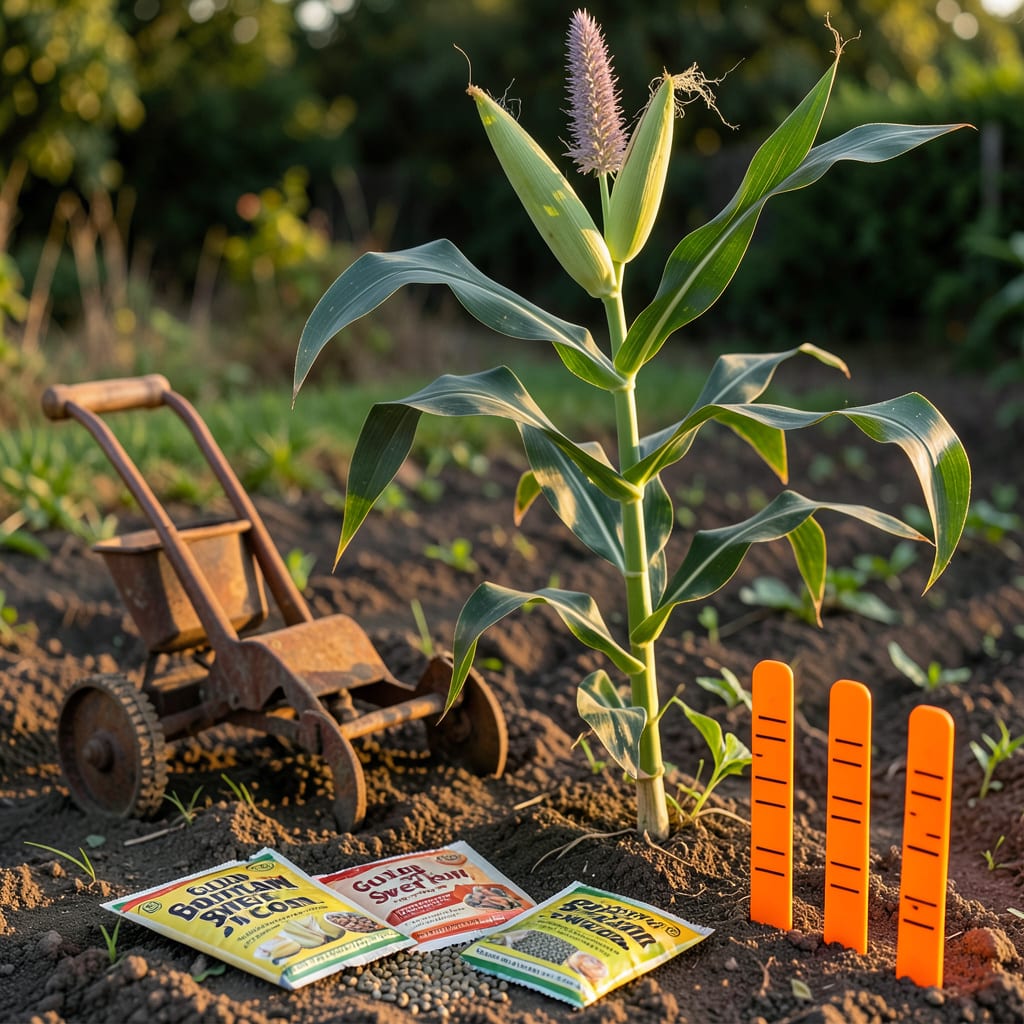
Timing is everything when it comes to growing plump, golden ears of 🌽 corn in Indiana. Plant too early, and a late frost could wipe out your seedlings. Wait too long, and you’ll miss the window for peak soil warmth—the secret to fast germination.
After years of testing (and a few failed harvests), I’ve cracked the code for Indiana’s zones 5b–6a. The difference between a thriving crop and a disappointing one often comes down to just 7–10 days. Let me show you exactly when to plant—and how to prep your soil for success.
If you’ve ever planted corn seeds in Indiana only to watch them struggle, timing is likely the culprit. Our state’s USDA Zones 5b–6a mean last frost dates vary wildly—from April 1 in Evansville to May 10 near South Bend. Plant too early, and a late frost will wipe out seedlings. Wait too long, and you’ll miss the 75–100 day window needed for full maturity.
Even within zones, microclimates shift timelines. Areas near Lake Michigan stay cooler longer, while the Ohio River Valley warms faster. Southern Indiana gardeners often plant 2–3 weeks earlier than their northern counterparts. The key? Track your county’s soil temperature—not just air temps—to hit that 50°F+ sweet spot for germination.
| City/Region | Last Frost Date | Safe Planting Window | Recommended Varieties |
|---|---|---|---|
| South Bend (North) | May 10 | May 15–June 1 | Early hybrids (70–80 days) |
| Indianapolis (Central) | April 25 | May 1–May 20 | Mid-season (80–90 days) |
| Evansville (South) | April 1 | April 15–May 10 | Full-season (90–100 days) |
| Fort Wayne (Northeast) | April 30 | May 5–May 25 | Cold-tolerant hybrids |
Adjust dates by ±5 days for rural vs. urban areas. Use a Purdue Climate Tool for hyper-local data.
Northern Indiana gardeners face the shortest growing season—just 150–160 days frost-free. That’s why I always recommend short-season varieties like ‘Early Sunglow’ (65 days) or ‘Quickie’ (68 days). In central regions, you can push to 85–90 day varieties like ‘Golden Bantam’ for sweeter kernels.
Southern Indiana’s longer season (up to 180 days) lets you experiment with heirloom corn like ‘Country Gentleman’ (90 days) or ‘Stowell’s Evergreen’ (100 days). But watch the soil moisture—clay-heavy soils in southern counties drain poorly, increasing rot risk if planted too early.
Pro tip: Use black plastic mulch to warm soil 2–3 weeks faster in cooler zones. Lay it over beds 3–4 weeks before planting, and you’ll hit that 50°F threshold by mid-April even in northern areas. Just slit holes for seeds when ready—no tilling needed!
Don’t forget succession planting for extended harvests. In central/southern Indiana, I plant one-third of my seeds every 10–14 days until early June. This staggers maturity so I’m not overwhelmed with 50 ears at once. Northern growers should stick to single planting to ensure full maturity before frost.
For urban gardeners, microclimates matter even more. Downtown Indianapolis can be 5–7°F warmer than rural Hamilton County due to heat islands. If you’re in the city, start checking soil temps 1–2 weeks earlier than rural guides suggest. A simple $10 soil thermometer saves guesswork—and failed crops.
Still unsure? Cross-check with the Purdue Extension’s planting calculator or your county’s Master Gardener hotline. They track real-time soil temps and can confirm if your beds are ready. Remember: Corn planted in 60°F soil germinates in 5–7 days; in 50°F soil, it may take 3 weeks—leaving seedlings vulnerable to pests.
Finally, mark your calendar for fall frost dates too. Northern Indiana’s first frost hits around October 10, so avoid late plantings of 100-day varieties after June 1. In southern areas, you can squeeze in a second planting of early corn by July 1 for a late-season harvest.
I’ve lost count of how many gardeners I’ve seen plant corn seeds based on air temperature alone—only to watch them rot in cold soil. Here’s the hard truth: Soil temp matters more than the calendar. Corn needs 50°F minimum to germinate, but 55°F+ for fast, uniform sprouting.
In Indiana, that magic window typically hits late April in the south and mid-May up north. But don’t guess—test your soil with a cheap thermometer. I bury mine 2 inches deep at 9 AM for the most accurate reading. If it’s below 50°F, hold off or risk 3-week germination delays.
60°F soil = germination in 5 days; 50°F = 3+ weeks.
If your soil’s still chilly, try pre-sprouting seeds indoors. Roll damp seeds in a paper towel, place in a ziplock bag, and keep at 70°F (like on top of the fridge). Once sprouted, transplant carefully—corn hates root disturbance, so use peat pots that decompose in soil.
Watch for “false starts” in early spring. A warm week might tempt you to plant, but if temps drop again, seedlings stall. I once lost half my crop to a late-April cold snap in Indy. Now I wait until soil holds 50°F+ for 5 straight days. Patience pays off in fuller ears.
For clay-heavy soils (common in southern Indiana), mix in compost or sand to improve drainage. Soggy soil below 50°F is a double threat: rot + slow growth. If your soil’s wet and cold, raise beds or plant in mounds to improve warming and drainage.
Pro move: Use a soil warming cable (yes, they exist!) for early plantings. I’ve used them to get 6-foot corn by July in Zone 5b. Just bury the cable 4 inches deep, cover with mulch, and monitor moisture—dries out faster with artificial heat.
Remember, corn planted in 60°F+ soil outgrows weeds and resists pests better. Aim for that sweet spot, and you’ll harvest plump, sweet ears by midsummer—without the stress of stunted plants. 🌽
Even experienced Indiana gardeners can sabotage their corn crop with three common blunders. The first? Planting in cold, wet soil. I’ve seen entire rows rot when seeds sit in below-50°F mud. Corn needs warm, well-drained soil—not a soggy spring mess.
The second mistake is ignoring soil pH. Indiana’s native soil often tests below 6.0, but corn thrives at 6.0–6.8. A simple $20 test kit from Purdue Extension can save your harvest. If your pH is off, amend with lime (to raise) or sulfur (to lower).
*Fix these, and you’ll double your yield with half the stress.
The third pitfall is choosing the wrong variety for your region. Northern Indiana’s short season (150 days) demands 70–80 day hybrids like ‘Early Sunglow’. Southern growers can try 100-day heirlooms, but check your first frost date first.
If you’ve already planted too early, don’t panic. Cover seedlings with floating row covers on cold nights, and add a heat lamp if temps drop below 40°F. For waterlogged soil, create small mounds around seeds to improve drainage and warming.
Remember: Corn planted in ideal conditions (warm soil, proper spacing, right variety) will outgrow weeds and resist pests naturally. Skip these fixes, and you’ll spend summer battling stunted plants and poor yields. A little prep now means sweet, plump ears by August. 🌽
Still unsure? Grab a soil thermometer and your county’s frost date map. When both align with corn’s needs—50°F+ soil, 6.0+ pH, and frost-free for 75+ days—you’re ready to plant. Trust me, your future self will thank you at harvest time.
In northern regions like South Bend, aim for May 15–June 1 to avoid late frosts. Soil temps often hit 50°F by mid-May, but check with a thermometer. Planting earlier risks seed rot if temps dip below 40°F.
Use black plastic mulch laid 3–4 weeks pre-plant to boost temps by 10°F. Raised beds also warm faster. For clay-heavy soil, mix in compost to improve drainage and warming. A DIY soil thermometer (meat thermometer in a bag) helps track progress.
Yes, but only in warmer areas like Evansville after April 15. Soil temps should be 50°F+ for germination. Use fast-maturing varieties (70–80 days) to beat summer heat. Avoid planting in wet soil—wait for beds to dry slightly.
Late plantings (after June 1 in the north) may not mature before frost. Southern Indiana has more flexibility—try early varieties by July 1 for a fall harvest. Check your first frost date and count backward using your corn’s days-to-maturity.
Bury a meat thermometer 2 inches deep for 5 minutes at 9 AM. Or, plant a few seeds in a clear bag with damp soil—place it in your garden. If they sprout in 5–7 days, your soil’s warm enough. Avoid guessing!
