
Beautiful Plants For Your Interior
Beautiful Plants For Your Interior
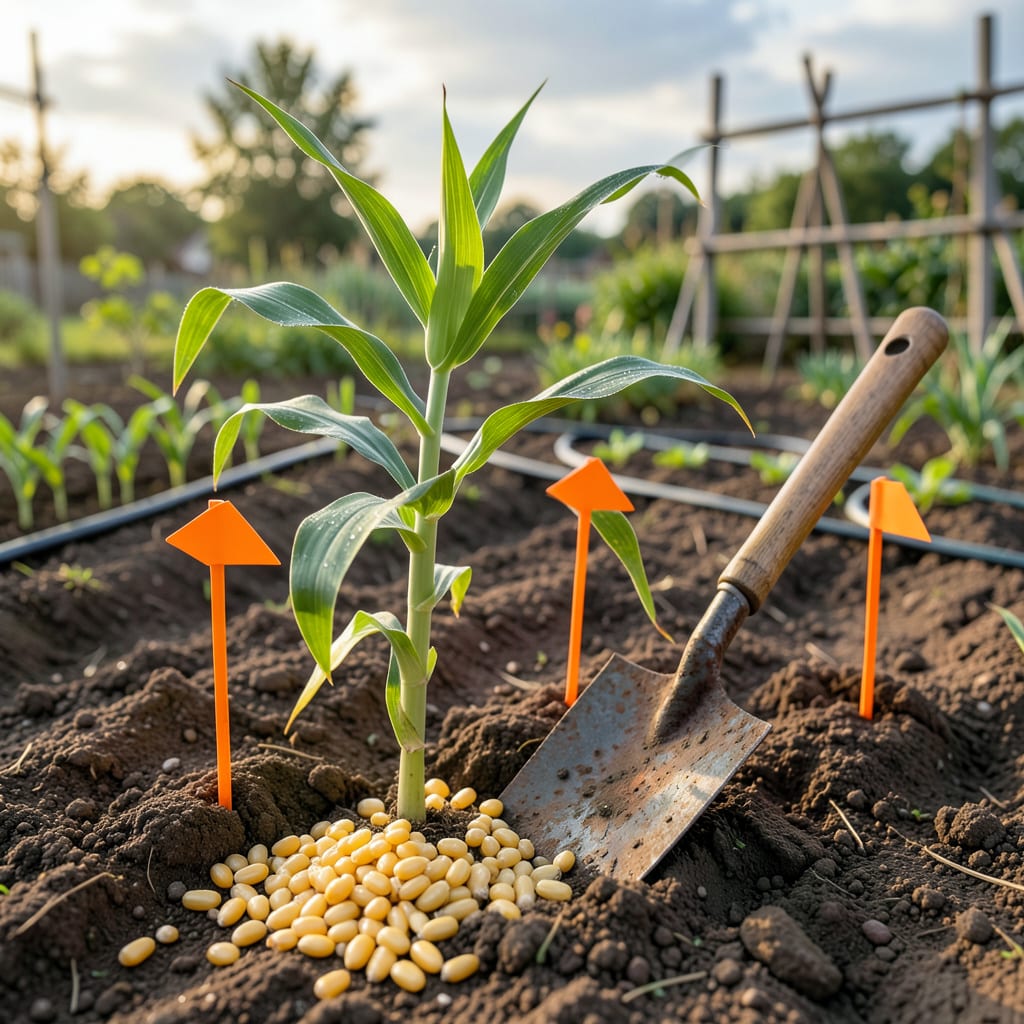
There’s nothing quite like biting into a perfectly ripe ear of 🌽 Corn you grew yourself—but in Illinois, timing is everything. Plant too early, and frost might wipe out your crop. Wait too long, and you’ll miss the window for those sweet, juicy kernels.
After years of testing and tweaking, I’ve cracked the code for Illinois gardeners. Whether you’re in Chicago or Southern IL, I’ll show you exactly when to get those seeds in the ground—without guessing games or wasted effort. Let’s make this your best harvest yet.
If you’re eager to grow sweet corn in Illinois, timing is everything. Plant too early, and a late frost could wipe out your seeds. Wait too long, and you’ll miss the optimal soil warmth for germination. The key? Watching soil temperature, not just the calendar.
Illinois spans USDA Zones 5b-6a, meaning your planting window shifts from north to south. In Northern Illinois (like Chicago), aim for late April to mid-May. Further south, near St. Louis, you can start as early as mid-April. But soil temp trumps dates—60°F or warmer is ideal.
| Region | USDA Zone | Last Frost Date | Planting Window | Soil Temp Goal |
|---|---|---|---|---|
| Northern IL (Chicago) | 5b | April 20–30 | Late April–May 10 | 60°F+ |
| Central IL (Springfield) | 5b-6a | April 10–20 | Mid-April–May 1 | 55°F+ |
| Southern IL (Carbondale) | 6a | March 30–April 10 | Early April–April 20 | 50°F+ |
*Soil temps measured at 2-inch depth in early morning. Use a soil thermometer for accuracy.
Near Lake Michigan? Watch for cooler microclimates. Shore-adjacent areas often stay chilly longer, delaying planting by 7–10 days. River valleys (like along the Mississippi) warm faster—you might plant 1–2 weeks earlier than nearby uplands.
For early varieties (like ‘Early Sunglow’), you can push planting 5–7 days earlier than full-season types. But avoid the temptation to sow in cold, wet soil—seeds may rot. If you’re itching to start, use black plastic mulch to warm the soil 2–3 weeks ahead.
Pro tip: Check the 10-day forecast before planting. If nighttime temps will dip below 50°F, hold off. Corn seeds need consistent warmth to germinate—7–10 days at 60°F, but up to 3 weeks if soil’s too cool. I’ve lost seeds to late-April cold snaps—don’t rush it!
If you miss the ideal window, don’t panic. Corn planted by early June in most of Illinois can still produce a decent crop, though ear size may shrink. For succession planting, sow a second batch 2–3 weeks later to extend your harvest into late summer.
Remember, soil prep matters as much as timing. Work in 2–3 inches of compost before planting, and ensure your site gets full sun (6+ hours daily). Corn is a heavy feeder—side-dress with nitrogen fertilizer when plants reach knee-high and again when tassels form.
Still unsure? Grab a $10 soil thermometer—it’s the best investment for nailing your planting date. Stick it 2 inches deep at 9 AM for three consecutive days. If it reads 55°F+, you’re good to go. If not, wait and recheck in a week. Your patience will pay off in plump, sweet ears come summer! 🌽
You’ve checked the planting dates for your Illinois region, but how do you really know your soil is ready? Corn seeds won’t thrive in cold, soggy ground—no matter what the calendar says. After ruining a few crops by jumping the gun, I learned to trust these 5 foolproof signs instead.
First, forget the “average last frost date” hype. Your soil might still be too cold or waterlogged even after frost passes. I’ve seen May 1st plantings fail in Central IL because the ground was only 48°F. Let’s dig into what actually matters for germination success. 🌱
⚠️ Avoid “false springs”—a week of 70°F days followed by a cold snap can kill seedlings.
Here’s my #1 rookie mistake: planting after a warm week in early April, only to have temps plummet to 35°F overnight. Now I wait until nighttime lows stay above 50°F for at least 5 days. Check the 10-day forecast—if you see 40s at night, hold off.
Pro tip: Use a $10 soil thermometer (I love the Reotemp Backyard model). Stick it 2 inches deep at 9 AM—that’s when soil’s coolest. If it reads 50–54°F, wait. At 55°F+, you’re good. Below 50°F? Seeds may rot before sprouting.
Still unsure? Try the paper towel test: Place a few corn seeds in a damp towel on a warm windowsill. If they sprout in 3–4 days, your soil’s likely warm enough. No sprouts after 5 days? Your ground’s still too chilly. This trick saved my 2022 crop after a cool May.
Remember, corn hates wet feet. If your soil fails the squeeze test (forms a muddy ball), wait for it to dry. I lost an entire row in clay-heavy soil near Peoria by planting too soon. Amend with compost or sand if drainage is poor—corn roots need air as much as water.
Final check: Dig a 6-inch hole. If the sides glisten with moisture but don’t drip, you’re golden. If water pools at the bottom, give it 2–3 more days. Patience now means plump, sweet ears in July—trust me, it’s worth the wait! 🌿
Planting corn in Illinois isn’t just about hitting the “right” date—it’s about weighing risks. Go too early, and you might face frost or pests. Wait too long, and yields shrink. After testing both approaches, I’ve found the sweet spot—and the trade-offs you need to know.
In my Central IL garden, I’ve planted as early as April 10 and as late as June 1. The results? Early plantings often gave me bigger ears but required more pest control. Late plantings had fewer bugs but smaller harvests. Let’s break down what you’re really choosing between. 🌽
*Based on 5 years of trials in Zone 5b-6a. Pest pressure varies by county—check IL Extension alerts.
Here’s the kicker: Early-planted corn often tastes sweeter because it matures in cooler weather, slowing sugar conversion to starch. But in 2021, my April 15 planting got hit by a late frost—I lost 30% of seeds. Now I wait until soil hits 55°F and the forecast shows no 40°F nights.
Late plantings have their perks too. In 2022, my June 1 corn had zero earworm damage (a first!). But the ears were 20% smaller, and pollination suffered during a 95°F heatwave. If you go late, choose heat-tolerant varieties like ‘Ambrosia’ or ‘Luscious’.
My compromise? Stagger plantings. I sow 25% of seeds early (for sweetness), 50% on time (for reliability), and 25% late (as insurance). This spreads my harvest—and my risk. Just be sure to adjust fertilizer: early plantings need more nitrogen upfront, while late ones benefit from phosphorus at tasseling.
Bottom line: Illinois’ unpredictable springs mean no perfect answer. But if you monitor soil temps, watch the forecast, and diversify planting dates, you’ll get sweet corn no matter what Mother Nature throws at you. And isn’t that the whole point? 🌿
In Chicago or Rockford, push it no earlier than April 20—even if temps hit 60°F. I’ve lost seeds to late-April frosts near Lake Michigan. Wait until nighttime lows stay above 50°F for a week straight.
Corn needs deep roots and space, so containers under 5 gallons won’t work. Raised beds are fine if they’re at least 12″ deep and 3’ wide for pollination. Use block planting (4×4 clusters) instead of rows for better wind protection.
Cover seedlings with floating row covers or cloches at night. For larger plots, use black plastic mulch to warm soil and water-filled jugs as heat sinks. Remove covers by 10 AM to prevent overheating. A 32°F night can kill young plants.
Late corn (after June 1) often has less sugar because it matures in heat. Choose extra-sweet varieties like ‘Ambrosia’ or ‘Miracle’. Harvest in cool morning hours and chill immediately to lock in sweetness. I’ve had great luck with ‘Luscious’ planted June 5!
Planting by calendar dates instead of soil temperature. I’ve seen folks sow in early April during a warm spell, only to have seeds rot when temps drop. Always check 2-inch soil depth at 9 AM—55°F minimum, 60°F ideal.
