
Beautiful Plants For Your Interior
Beautiful Plants For Your Interior
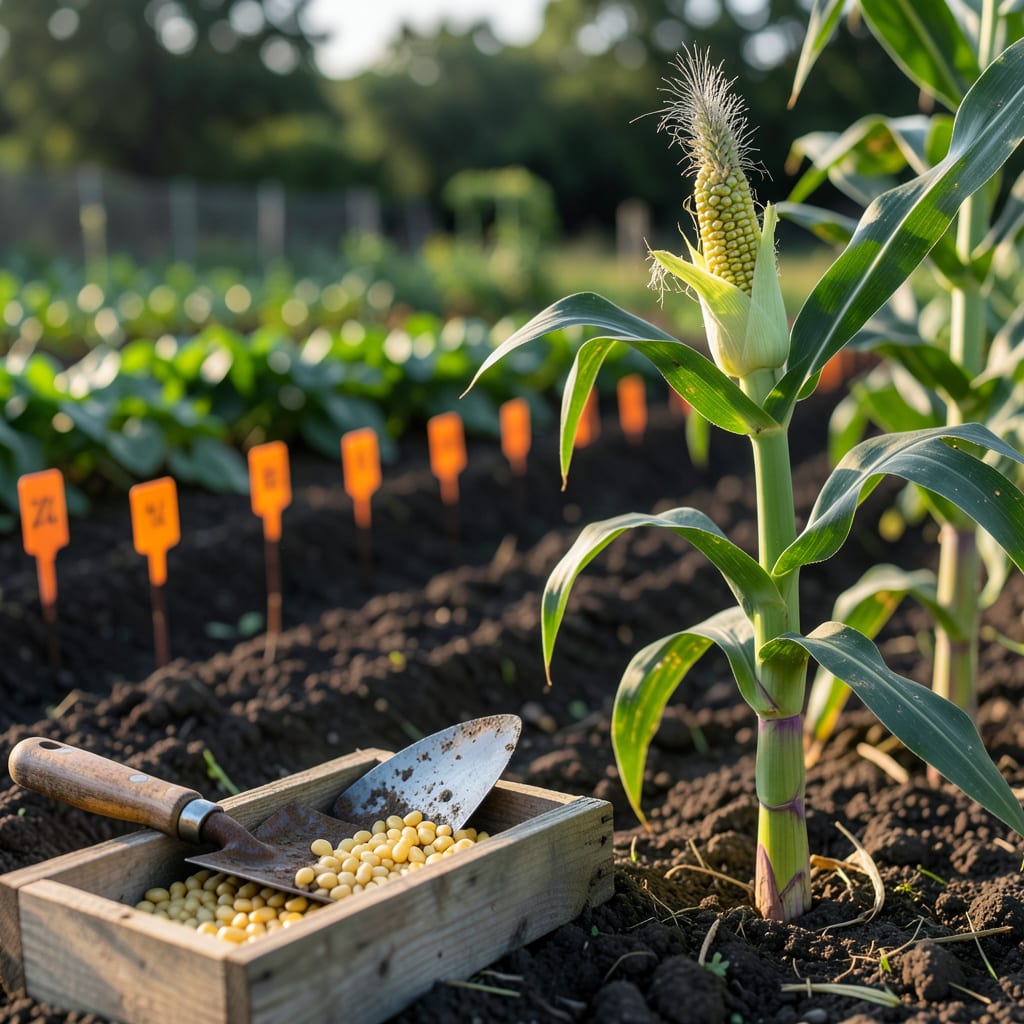
Florida’s heat and humidity can make or break your corn crop—plant at the wrong time, and you’ll battle stunted stalks or pest invasions. I’ve seen gardeners lose entire harvests by missing the perfect window, but here’s the good news: timing is predictable once you know the patterns.
Whether you’re in Panama City or Miami, the rules change by region. I’ll break down the exact months to plant for juicy, sweet corn, plus the varieties that thrive in Florida’s sandy soil. Let’s get your garden on track for the best yield yet.
Florida’s three climate zones—North Florida, Central Florida, and South Florida—each demand different planting strategies. Up north, you’re dealing with occasional frosts, while southern gardeners battle relentless heat. I’ve tested these windows myself, and timing truly makes all the difference.
The secret? Soil temperature must hit at least 60°F for germination, and Florida’s sandy soil warms up fast. But don’t rush—plant too early in North Florida, and a late frost could wipe out seedlings. Wait too long in South Florida, and summer rains drown your crop.
💡 Pro Tip: Use a soil thermometer to confirm temps—don’t guess! Coastal areas may plant 2 weeks earlier than inland.
In North Florida, I’ve found that ‘Silver Queen’ thrives when planted in early March, avoiding the April heat spikes that can scorch young plants. The key is getting corn in the ground 2–3 weeks after the last frost, which is typically mid-February for Tallahassee.
Central Florida gardeners have a wider window, but fall planting often yields sweeter corn. The trick? Start seeds in late September to harvest before December’s cooler nights. I use ‘Sweet G90’ here—it handles humidity like a champ.
Down in South Florida, the game changes entirely. You’re planting in what other states consider winter. I’ve had great success with ‘Honey & Pearl’ in January, harvesting by March before the summer deluges hit. Mulch heavily—sandy soil dries out fast.
Don’t overlook microclimates. If you’re near the coast, you can often plant 1–2 weeks earlier than inland areas thanks to moderated temperatures. Inland gardeners should watch for late frosts in North Florida or drought conditions in Central Florida’s spring.
For all regions, succession planting is your friend. Plant a new block of corn every 2 weeks during your window to extend the harvest. Just be sure to finish planting by early April in North/Central Florida and late February in South Florida to avoid heat stress.
Remember, corn is wind-pollinated, so plant in blocks of at least 4 rows for proper pollination. Spacing matters too—12–18 inches apart in rows 30–36 inches apart ensures good air circulation, reducing fungal risks in our humid climate.
Finally, keep an eye on the 10-day forecast before planting. If heavy rains are predicted, delay sowing—waterlogged seeds rot. I learned this the hard way after a March storm drowned my entire first planting! Now I always check the soil moisture with my finger before sowing.
With these regional tweaks, you’ll be biting into juicy, homegrown corn while your neighbors wonder why their stalks are stunted. Trust the calendar, watch the weather, and don’t skip the soil prep—your harvest will thank you! 🌽
Florida’s unique climate can turn corn planting into a minefield of mistakes. I’ve seen even experienced gardeners lose crops to simple oversights. The biggest culprit? Ignoring soil temperature—corn seeds rot in cold, waterlogged ground. Let’s tackle the top five pitfalls so you don’t repeat them.
First, planting too early is a classic error, especially in North Florida. A late frost can wipe out seedlings overnight. I always wait until soil hits 60°F at a 4-inch depth. Use a soil thermometer—guessing leads to disappointment. Trust me, I’ve lost counts of seeds to impatient planting!
💡 Quick Fix: Mulch with straw or pine straw to regulate soil temp and moisture—game-changer in Florida’s heat! 🌡️
Another costly mistake is neglecting pollination. Corn is wind-pollinated, so planting in single long rows fails. I arrange my corn in blocks of 4+ rows to ensure every silk gets pollinated. Poor pollination means missing kernels—no one wants sparse ears!
Watering errors wreck more corn crops than pests do. Florida’s sandy soil drains fast, but overwatering drowns roots. I water deeply 2–3 times weekly, adjusting for rain. Drip irrigation works best—avoid overhead watering to prevent fungal diseases like rust.
Don’t overlook soil prep. Florida’s native soil is often nutrient-poor. I mix in 2–3 inches of compost and a balanced fertilizer (10-10-10) before planting. Side-dress with nitrogen when plants reach knee-high—corn is a heavy feeder!
Finally, pest vigilance is non-negotiable. Fall armyworms and corn earworms thrive in Florida’s humidity. I plant ‘Ambrosia’ or ‘Country Gentleman’ varieties for their pest resistance. For organic control, neem oil sprays every 10 days work wonders.
By dodging these mistakes, you’ll harvest plump, sweet ears while others scratch their heads over stunted stalks. Remember: Florida’s climate is forgiving if you time it right and prep properly. Your corn patch can be the envy of the neighborhood! 🌽
Not all corn thrives in Florida’s steamy summers and sandy soil. After testing dozens of varieties, I’ve narrowed it down to the top performers that laugh at our humidity and heat. The secret? Choosing early-maturing or disease-resistant types that beat the worst of summer’s challenges.
For North Florida, I swear by ‘Silver Queen’—a classic white corn with 80-day maturity that handles spring’s temperature swings. It’s sweet, tender, and holds up well against rust disease, which plagues many varieties in our humid air. Just be sure to plant by early March to avoid April’s heat spikes.
💡 Pro Tip: For fall planting, choose ‘Country Gentleman’ (85 days)—its shoestring kernels stay sweet longer in cooler weather. 🌽
In Central Florida, ‘Sweet G90’ is my go-to for spring planting. Its 65-day maturity means you’ll harvest before the worst summer heat hits. The kernels stay sweet even if you’re a day late picking—perfect for busy gardeners. I plant this variety in blocks of 6 rows for optimal pollination.
For South Florida’s winter planting, ‘Tropical Delight’ is a game-changer. It’s bred for drought resistance, critical when our winter “dry season” kicks in. I’ve harvested plump ears in March from January plantings, beating the summer rains. Pair it with drip irrigation to combat sandy soil’s poor moisture retention.
If pests are your nemesis, ‘Ambrosia’ is your ally. Its tight husks deter corn earworms, and the super-sweet kernels make it worth the slight longer wait (75 days). I interplant it with marigolds to repel pests naturally. For organic gardeners, this variety reduces the need for sprays.
Don’t forget about heirloom options like ‘Country Gentleman’ for fall planting. While it takes 85 days, the flavor is unmatched, and it handles cooler nights better than hybrids. I save seeds from my best ears each year—Florida’s climate is perfect for seed-saving with our long growing season.
No matter which variety you choose, soil prep is non-negotiable. I amend my beds with 2 inches of compost and a balanced fertilizer (10-10-10) before planting. For sandy soil, mycorrhizal fungi supplements help roots absorb nutrients. Mulch with pine straw to retain moisture and suppress weeds—it’s a Florida gardener’s best friend! 🌱
Corn seeds need soil temps of at least 60°F to germinate properly. In Florida, this typically means waiting until late February in South Florida or early March in North Florida. Use a soil thermometer to check—guessing often leads to rotting seeds.
Not quite! While Florida’s climate is mild, corn struggles in peak summer heat (June–July) and winter frosts in North Florida. Stick to spring (Feb–April) and fall (Sept–Nov) plantings for best results. Succession planting every 2 weeks extends your harvest window.
Florida’s summer downpours can drown seeds or promote fungal diseases. Plant in raised beds for better drainage, and avoid overhead watering. Mulch with pine straw to prevent soil splashing onto leaves. If heavy rain is forecast, delay planting—waterlogged seeds won’t survive.
Corn relies on wind for pollination, but Florida’s breezes can be unpredictable. Plant in blocks of at least 4 rows (not single rows) to ensure pollen spreads evenly. Avoid spraying pesticides during pollination—it can harm beneficial insects that aid the process.
Look for disease-resistant varieties like ‘Ambrosia’ (pest-resistant) or ‘Tropical Delight’ (drought-tolerant). For North Florida, ‘Silver Queen’ resists rust well. These varieties mature quickly (65–80 days), beating the worst of summer’s heat and humidity.
