
Beautiful Plants For Your Interior
Beautiful Plants For Your Interior
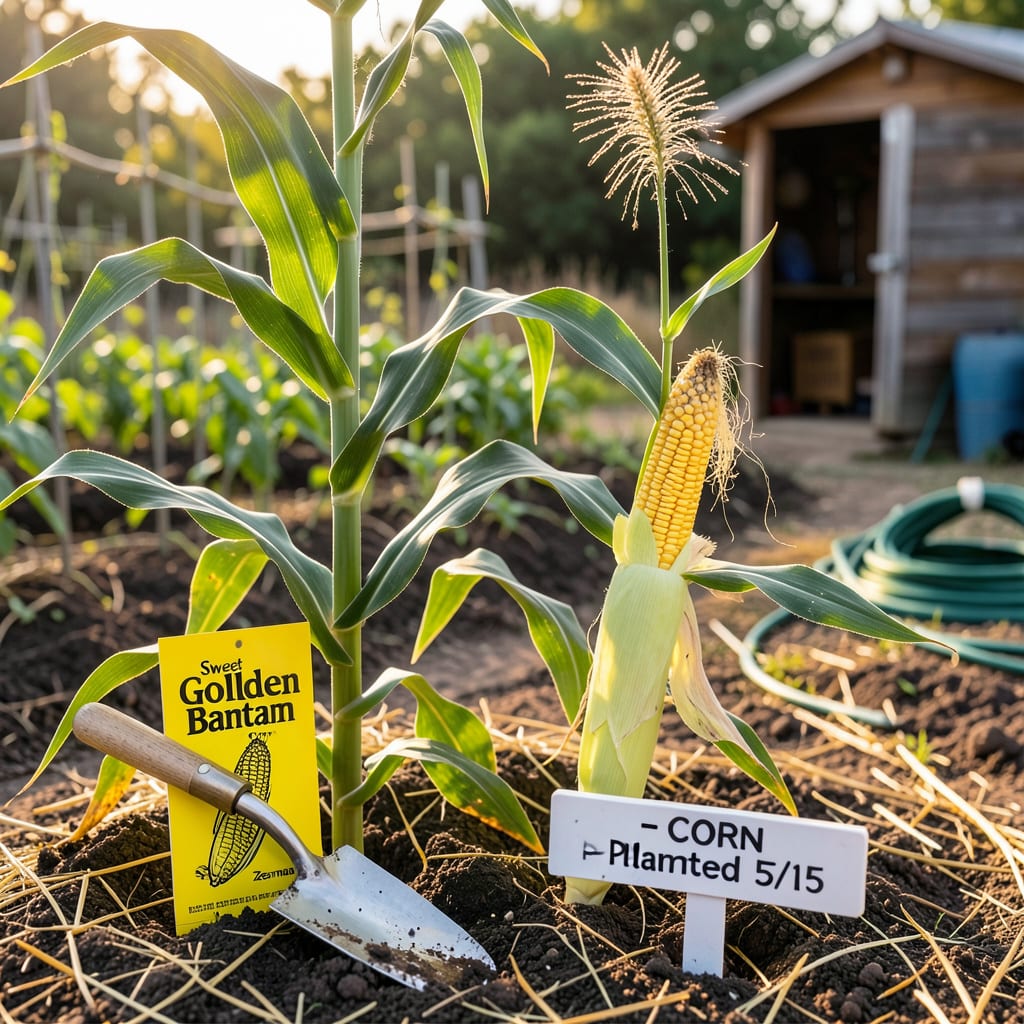
Timing your corn planting in Colorado can mean the difference between juicy summer harvests and disappointing stalks. With elevation swings from Denver’s mild springs to mountain frosts lingering into June, knowing your exact window is crucial.
I’ve tested planting dates across zones 5a-7a—and what works in Grand Junction won’t fly in Fort Collins. Let’s cut through the guesswork so you can plant with confidence and enjoy 🌽 straight from your garden by July.
Colorado’s diverse elevations make corn planting a puzzle—what thrives in Denver’s Zone 5b might fail in Leadville’s Zone 3. The secret? Soil temperature (60°F+) and last frost dates, which shift dramatically by region.
I’ve seen gardeners lose crops to late May frosts in the mountains, while Front Range folks plant weeks earlier. Below is your zone-specific cheat sheet to nail the timing—plus tricks to warm soil faster in chilly areas.
| Zone | Region | Planting Window | Last Frost Date |
|---|---|---|---|
| 3-4 | Mountains (Leadville, Steamboat) | May 20–June 5 | June 1 |
| 5a-5b | Front Range (Denver, Boulder) | April 25–May 15 | May 10 |
| 6a-7a | Western Slope (Grand Junction) | April 10–May 1 | April 20 |
*Soil must reach 60°F for germination. Use black plastic mulch to warm soil 2–3 weeks earlier in cold zones.
In high-altitude areas, I swear by ‘Early Sunglow’ (65 days)—it beats the short season. Lower elevations? Try ‘Peaches & Cream’ (80 days) for extra sweetness. Always check soil temp with a thermometer; don’t trust air temps alone!
Watch for late spring hail—common in Colorado. Protect seedlings with row covers or plant in blocks of 4+ rows for wind protection. Pro tip: South-facing slopes warm faster, so plant there if possible.
Denver gardeners often ask: “Can I plant in late April?” Yes—but only if soil hits 55°F and you’re ready to cover plants if frost threatens. I’ve lost seedlings to May 15 frosts, so keep old blankets handy!
For Western Slope gardeners, your longer season means you can risk earlier planting. Just monitor moisture levels—arid climates dry soil fast. Drip irrigation on a timer saves water and stress.
Mountain growers: Stick to 70-day varieties and plant in raised beds (warms 5–7°F faster). Add compost for heat retention. I’ve harvested corn in Leadville by August using these tricks!
No matter your zone, avoid planting in cold, wet soil—it causes rot. Wait for consistent 50°F+ nights and dry conditions. When in doubt, delay a week; corn grows fast once warm.
Use Colorado State University’s frost date tool to pinpoint your exact window. Input your ZIP code for hyper-local advice—it’s my go-to for tricky microclimates.
Remember: Corn is wind-pollinated, so plant in blocks (not rows) for best ear fill. Thin seedlings to 12 inches apart once they’re 4 inches tall. Now grab your seeds—it’s time to grow! 🌱
Even experienced gardeners can sabotage their corn crop with simple oversights. In Colorado, where late frosts and unpredictable hail are the norm, these mistakes cost you weeks of growing time—or worse, a failed harvest.
I’ve made (and fixed) every error on this list. Here’s how to dodge the pitfalls that trip up most Colorado corn growers, from Denver backyards to mountain plots.
*Bonus: Avoid overwatering seedlings—wait until plants are 6 inches tall to increase moisture.
Colorado’s intense sun can trick you into planting too early. I once lost an entire bed in early April when a late snowstorm hit. Now I wait until soil temps hit 55°F for five consecutive days—no exceptions.
Another silent killer? Poor spacing. Crowded corn competes for nutrients and water, stunting ears. I plant seeds 1 inch deep and 4 inches apart, then thin to 12 inches when seedlings are 4 inches tall. Use a string grid for straight rows—it saves time and boosts yield.
Don’t forget Colorado’s dry climate! Corn needs 1–1.5 inches of water weekly, but even moisture is key. I use drip irrigation on a timer to avoid fungal issues from overhead watering. Mulch with straw to retain moisture and regulate soil temp.
Finally, variety selection makes or breaks your harvest. In short-season areas (Zones 3–5), stick to ‘Early Sunglow’ (65 days) or ‘Swift’ (68 days). Lower elevations can try ‘Ambrosia’ (75 days) for extra sweetness. Always check the days-to-maturity label!
Pro tip: Test germinate seeds indoors before planting. Place 10 seeds on a damp paper towel in a baggie. If fewer than 8 sprout in 5 days, buy fresh seeds—Colorado’s dry air reduces viability faster than humid climates.
By avoiding these mistakes, you’ll harvest plump, sweet ears by mid-summer. Next up: Let’s explore the best corn varieties for your exact Colorado microclimate! 🌽
Not all corn thrives in Colorado’s short growing season and dramatic temperature swings. After testing dozens of varieties across the state, I’ve narrowed it down to the top performers that deliver sweet, plump ears—even in high-altitude zones.
For mountain gardeners (Zones 3–5), focus on 65–70-day varieties like ‘Early Sunglow’ or ‘Swift’. Lower elevations can push to 80–90 days for sweeter options like ‘Peaches & Cream’. Here’s my field-tested breakdown to match your microclimate.
| Variety | Days to Harvest | Best For | Key Trait |
|---|---|---|---|
| Early Sunglow | 65 | Zones 3–5 | Cold-tolerant, early |
| Swift | 68 | All zones | Drought-resistant |
| Peaches & Cream | 80 | Zones 5–7 | Super-sweet bicolor |
*All varieties listed are open-pollinated or hybrid—save seeds from OP types only.
In Denver’s Zone 5b, I’ve had great luck with ‘Luscious’ (75 days)—it handles heat spikes better than most. For dry areas like Grand Junction, ‘Swift’ is my go-to; its deep roots tolerate inconsistent watering.
Mountain growers: ‘Early Sunglow’ is your best bet. I’ve harvested it in Leadville (Zone 3) by late August using raised beds and black plastic mulch. Pair it with ‘Quickie’ (66 days) for a staggered harvest.
Pro tip: Buy seeds from local nurseries like Nick’s Garden Center (Denver) or Western Slope Seed. They stock varieties trialed in Colorado, so you avoid duds. Always check the pack date—fresh seeds germinate faster in our dry climate.
Remember: Corn is heavy feeder. Work aged compost into soil before planting, then side-dress with 10-10-10 fertilizer when stalks hit knee-high. Now pick your variety and get planting—those sweet ears won’t grow themselves! 🌱
Corn seeds need soil temps of at least 60°F to germinate properly. In Colorado, this often means waiting until late May in mountain areas or mid-April on the Western Slope. Use a soil thermometer to check—don’t guess!
While possible, corn isn’t ideal for containers due to its 6-10 ft height and wind-pollination needs. If attempting, use 5-gallon minimum pots per plant and group containers closely for pollination. Dwarf varieties like ‘Midget’ work best.
Cover young plants with row covers or old blankets when frost threatens. For extra protection, use black plastic mulch to warm soil and water-filled jugs as heat sinks. Remove covers during the day to prevent overheating.
Corn needs 1-1.5 inches of water weekly, delivered at soil level. Use drip irrigation or soaker hoses to avoid wetting leaves, which can lead to fungal issues. Water deeply in the early morning to reduce evaporation.
This usually indicates poor pollination. Corn is wind-pollinated, so plant in blocks of 4+ rows (not single rows). Avoid spraying pesticides during tasseling, as this can harm pollinators. Shake stalks gently to help pollen distribute.
