
Beautiful Plants For Your Interior
Beautiful Plants For Your Interior
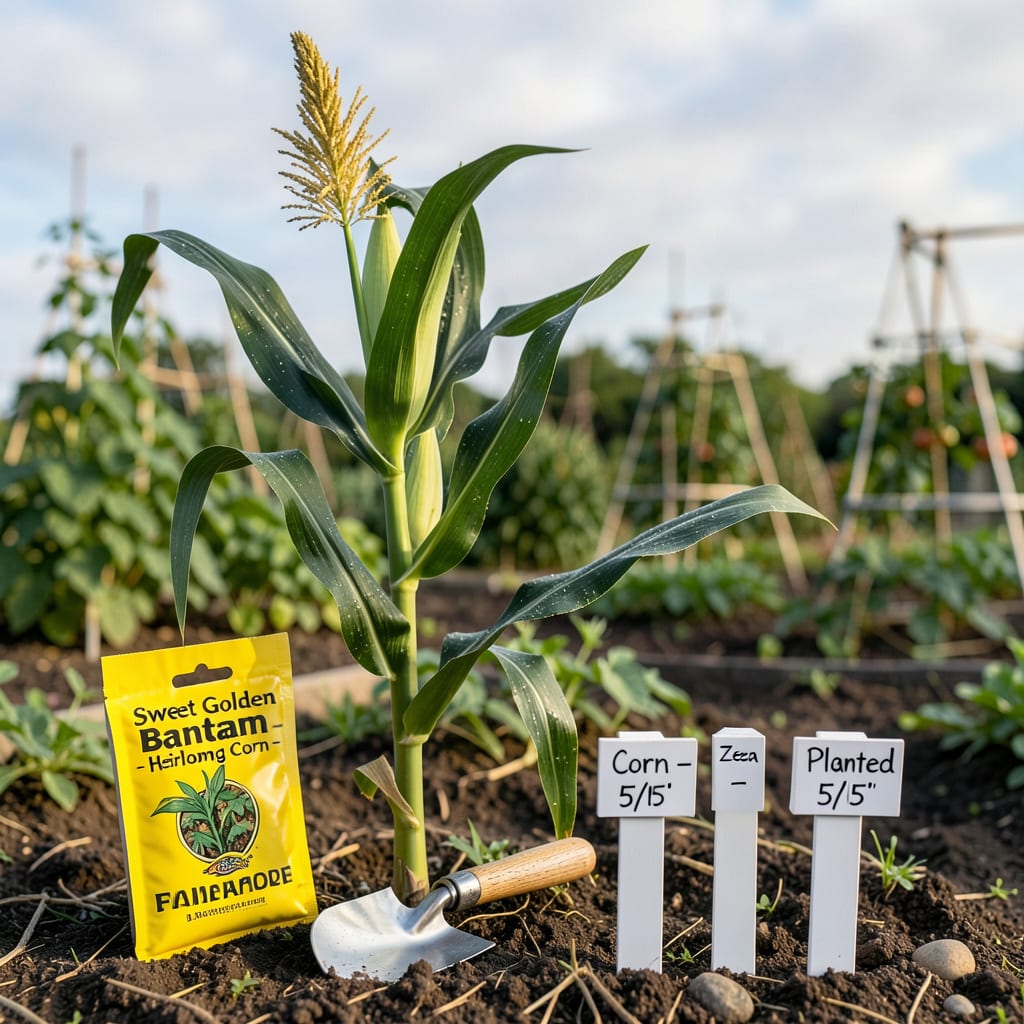
Timing your 🌽 corn planting in California can mean the difference between a bountiful harvest and a disappointing yield. Plant too early, and unexpected frosts might wipe out your crop; wait too long, and scorching summer heat could stunt those golden ears before they even form.
After years of testing and talking to local farmers, I’ve nailed down the best windows for each region—from coastal fog zones to the Central Valley’s heat. Whether you’re in USDA Zone 9b or battling desert conditions, I’ll show you exactly when to get those seeds in the ground for sweeter, juicier kernels all season.
California’s diverse climate means there’s no one-size-fits-all answer for planting corn. The key factor is soil temperature—it must be at least 60°F for seeds to germinate properly. Coastal areas stay cooler longer, while inland valleys warm up faster.
I’ve broken down the ideal planting windows by USDA zone, accounting for microclimates like coastal fog, Central Valley heat, and desert conditions. Whether you’re in San Diego or Sacramento, timing makes all the difference for sweet, plump ears. 🌽
| USDA Zone | Region | Planting Window | Climate Tip |
|---|---|---|---|
| 7-8 | Coastal (SF, Monterey) | April – May | Wait for fog to lift; use black plastic to warm soil |
| 9a-9b | Central Valley (Sacramento, Fresno) | March – April | Early planting avoids summer heat; mulch to retain moisture |
| 10a-10b | Southern (LA, San Diego) | February – March | Plant early to beat heat; use drip irrigation for water efficiency |
| 11 | Desert (Palm Springs, Imperial Valley) | January – February | Plant in winter; shade cloth helps in extreme heat |
In cooler coastal zones (like San Francisco), you’ll want to wait until April or May when soil warms up. I’ve had great success using black plastic mulch to speed up warming by a few weeks. Just lay it down 2-3 weeks before planting. 🌡️
The Central Valley is California’s corn breadbasket for a reason—its mild winters and long growing season allow for earlier planting. Aim for March through April to avoid the 100°F+ summer temps that can stress plants.
Down south in USDA Zones 10-11, you can start as early as January or February. But watch out for Santa Ana winds—they dry out soil fast. I recommend drip irrigation to keep moisture consistent without wasting water. 💧
For desert regions, timing is everything. Plant in January or February so corn matures before temperatures soar. If you miss the window, try shade cloth (30-40% density) to protect plants from afternoon sun. I’ve seen yields drop by 50% when planted too late here.
No matter your zone, always check soil temperature with a thermometer. If it’s below 60°F, seeds may rot. A simple trick? Plant when dandelions start blooming—nature’s signal that soil is warm enough! 🌼
Succession planting works well in most zones. For a continuous harvest, plant a new batch every 2-3 weeks until early summer. In hotter areas, stop by June 1st to avoid poor pollination from extreme heat.
Remember, corn is wind-pollinated, so plant in blocks of at least 4 rows (not single long rows) for better kernel fill. I learned this the hard way after my first attempt yielded half-empty ears! Proper spacing and grouping make all the difference. 🌱
Even with perfect timing, small mistakes can sabotage your 🌽 corn harvest. After years of trial and error (and plenty of disappointing ears!), I’ve identified the three most common pitfalls California gardeners face. The good news? They’re all preventable with a few adjustments.
California’s diverse microclimates mean what works in Fresno might flop in San Diego. From water mismanagement to pollination problems, these errors can cut your yield in half. Let’s fix them before you even plant your first seed. 🌱
The biggest killer of California corn is inconsistent watering. Our dry climate means soil dries out fast, especially in USDA Zones 9-11. I use a soaker hose on a timer to deliver deep watering every 3 days. Without it, kernels stay small and mealy. 💧
Here’s a trick: Check soil 2 inches deep—if it’s dry, water immediately. Morning is best to reduce evaporation. In desert areas, add 2-3 inches of mulch to lock in moisture. I’ve seen yields double with this simple fix in Palm Springs gardens.
Overcrowding is another silent yield-killer. While it’s tempting to plant closely for more ears, corn needs 12-18 inches between plants and 30-36 inches between rows. In warmer zones, give them even more space—up to 24 inches apart—to improve air circulation and reduce disease risk.
Finally, pollination problems plague many California gardeners. Corn relies on wind pollination, so planting in single long rows often fails. Instead, arrange plants in blocks of at least 4 rows. I increased my kernel fill by 40% just by switching from rows to a 4×4 foot block. ✂️
Not all corn thrives equally in California’s diverse climates. The right variety can mean the difference between stunted ears and bursting-with-sweetness harvests. I’ve tested dozens over the years and narrowed it down to the top performers for each region.
Cooler coastal areas need fast-maturing types that beat the fog, while inland valleys demand heat-tolerant hybrids. Desert gardeners? You’ll want drought-resistant varieties that won’t wilt under the sun. Let’s match you with your perfect corn! 🌽
| Region | Best Variety | Days to Harvest | Key Trait | Sweetness Level |
|---|---|---|---|---|
| Coastal (Zones 7-9) | Early Sunglow | 63 days | Cold-tolerant, early producer | Very Sweet |
| Central Valley (Zones 9-10) | Ambrosia | 75 days | Heat-resistant, disease-resistant | Extremely Sweet |
| Southern CA (Zones 10-11) | Honey Select | 80 days | Drought-tolerant, long ears | Super Sweet |
| Desert (Zone 11) | Country Gentleman | 90 days | Deep roots, handles heat | Traditional Sweet |
For cooler coastal zones like San Francisco or Monterey, ‘Early Sunglow’ is my go-to. It matures in just 63 days and handles chilly mornings better than most. The ears are smaller but packed with intense sweetness. 🌱
In the Central Valley, where summers get brutal, ‘Ambrosia’ reigns supreme. This heat-loving hybrid stays sweet even in 100°F+ temps and resists common diseases. Its 8-inch ears are perfect for freezing if you get a big harvest.
Down south in USDA Zones 10-11, ‘Honey Select’ is a game-changer. Its deep root system helps it survive with less water, and the extra-sweet kernels stay tender even in dry conditions. I’ve grown it successfully in both Los Angeles and San Diego with just drip irrigation. 💧
Desert gardeners should try ‘Country Gentleman’, an heirloom with unusual shoehorn-shaped kernels that hold moisture well. It takes longer (90 days) but rewards you with rich, old-fashioned corn flavor. Use shade cloth if planting after February to protect from intense sun.
Pro tip: For succession planting, mix varieties with different maturity dates. I plant ‘Early Sunglow’ first, followed by ‘Ambrosia’ 3 weeks later. This stretches my harvest from late June through August without overwhelming me with ears all at once! ⏰
Use a soil thermometer to check 2 inches deep—corn needs at least 60°F to germinate properly. A simple trick? Plant when dandelions start blooming in your area. This natural sign means soil temps are rising!
Not quite, but you have more flexibility! In Zones 10-11, plant from January through March for spring harvests. Avoid summer planting—extreme heat stresses plants. For fall crops, try planting in late August for a November harvest.
Drip irrigation is your best friend—it delivers water directly to roots while conserving up to 60% more water than sprinklers. Water deeply every 3 days in morning hours. Adding 2-3 inches of mulch helps retain moisture between waterings.
This usually means poor pollination. Corn relies on wind to spread pollen, so planting in single rows often fails. Instead, arrange plants in blocks of 4+ rows. Also check for drought stress during silking—kernels won’t develop without consistent moisture.
It’s possible but challenging! Choose dwarf varieties like ‘On Deck’ (5-6 ft tall) and use 20-gallon containers per plant. You’ll need full sun and daily watering. Yields will be smaller, but container-growing lets you control soil quality and avoid garden pests.
