
Beautiful Plants For Your Interior
Beautiful Plants For Your Interior
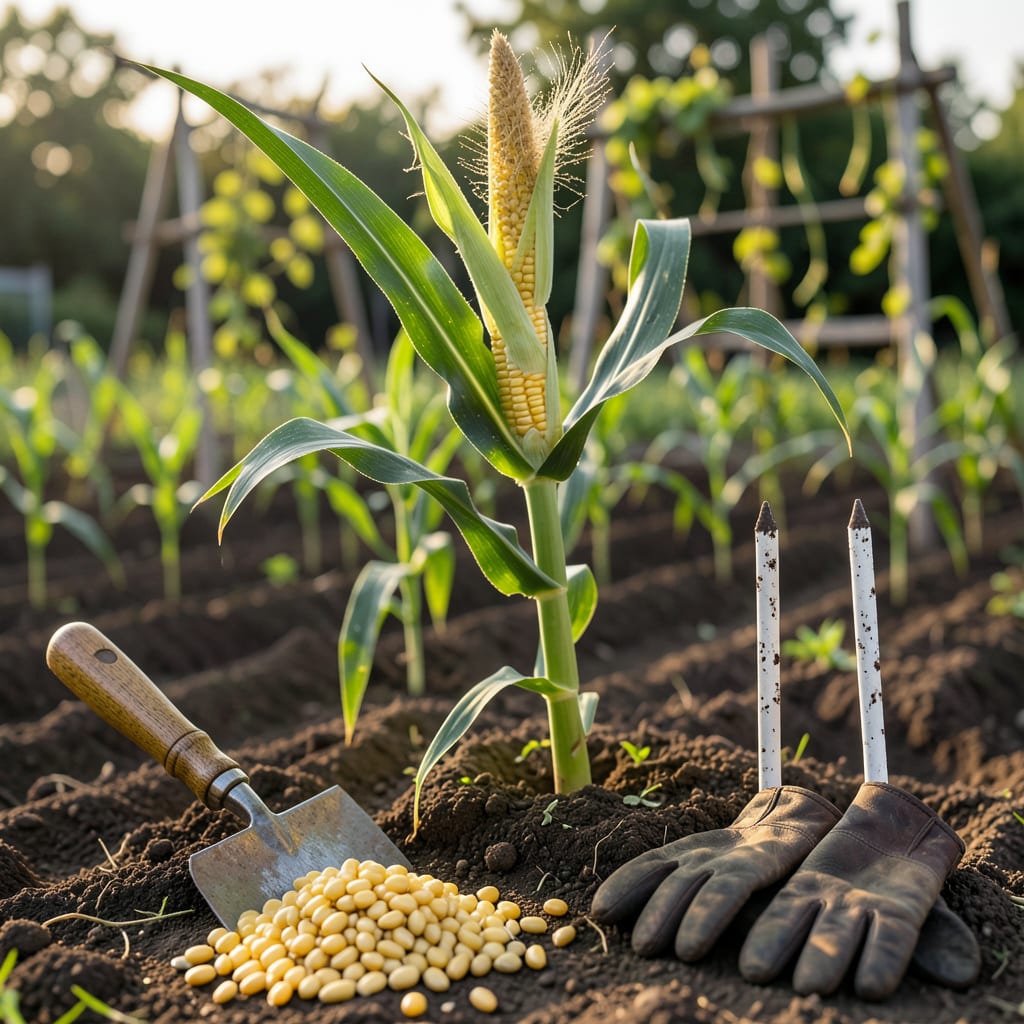
There’s nothing quite like biting into a sweet, juicy ear of homegrown corn—especially when it’s fresh from your Arkansas garden. But timing is everything: plant too early, and cold soil stunts growth; wait too long, and summer heat stresses your crop.
I’ve spent years fine-tuning the perfect planting window for Arkansas’s 7b-8a zones, and the difference is night and day. Whether you’re in the Delta or the Ozarks, I’ll show you exactly when to get those seeds in the ground for a bumper harvest by midsummer.
If you’ve ever bitten into a homegrown Arkansas ear of corn, you know the difference timing makes. Plant too early, and cold soil stunts germination; plant too late, and summer heat stresses the stalks. Arkansas’s three distinct regions—the Delta, Central, and Ozarks—each have their own microclimates and frost dates.
In the southern Delta (Zone 8a), you can often plant 2-3 weeks earlier than in the northern Ozarks (Zone 6b). The key isn’t just the calendar—it’s soil temperature. Corn seeds won’t germinate well until the soil hits 60°F or warmer, which can vary wildly across the state.
| Region | USDA Zone | Last Frost Date | Planting Window | Soil Temp Threshold |
|---|---|---|---|---|
| Southern Arkansas (Delta) | 8a | March 15–25 | Late March–early April | 60°F+ by late March |
| Central Arkansas (Little Rock) | 7b–8a | April 1–10 | Mid-April–early May | 60°F+ by mid-April |
| Northern Arkansas (Ozarks) | 6b–7a | April 15–25 | Late April–mid-May | 60°F+ by late April |
Note: Adjust for early varieties (plant 10–14 days sooner) or late varieties (delay 7–10 days). Use a soil thermometer for accuracy—don’t guess!
In the Delta region, near cities like Pine Bluff or Monticello, the warmer soil and longer growing season let you push the envelope. I’ve seen farmers plant as early as late February under black plastic mulch to warm the soil faster. But be warned: a late frost can wipe out young seedlings.
Up in the Ozarks—think Fayetteville or Harrison—you’ll want to wait until after April 15 unless you’re using row covers or cold frames. The higher elevation means cooler nights, and corn hates cold feet. A soil thermometer is your best friend here—don’t rely on air temperature alone.
Central Arkansas (Little Rock, Conway) is the Goldilocks zone. Aim for mid-April, but watch the 10-day forecast. If nights are still dipping below 50°F, hold off. Corn planted in cold, wet soil often rots before it sprouts. I learned this the hard way my first year—stunted plants and poor yields aren’t worth the risk.
For succession planting, try staggering your corn every 10–14 days until early June. This extends your harvest and avoids a glut of ripe ears all at once. Just remember: late-planted corn may struggle with drought stress or pest pressure as summer heats up.
If you’re growing sweet corn for fresh eating, prioritize early-maturing varieties like ‘Early Sunglow’ (60 days) or ‘Bodacious’ (75 days). For field corn or heirloom varieties, you’ve got more flexibility, but don’t plant after early June—the shortening daylight in late summer reduces yields.
Pro tip: Redbud blooms are Arkansas’s natural planting alarm. When you see those pink flowers lighting up the woods, it’s time to prep your corn patch. Pair this with a soil test (aim for pH 6.0–6.8), and you’re golden. And if you’re in a low-lying area, watch for standing water—corn roots drown fast.
Finally, don’t forget Arkansas’s humidity. Space plants 12–18 inches apart in rows 30–36 inches wide to improve airflow and reduce fungal diseases like southern blight. I like to plant in blocks of 4 rows instead of long single rows—it boosts pollination rates and gives you plumper ears.
🌽I’ve lost count of how many times I’ve stuck a soil thermometer into my Arkansas garden, only to second-guess the reading. While 60°F is the magic number for corn, your soil might be whispering other clues it’s ready—no fancy tools required. After years of trial and error, I’ve learned to trust these five nature-backed signs.
First, look at the weeds. When chickweed and henbit start bolting (shooting up flower stalks), it’s a signal that soil temps are climbing. These winter weeds thrive in cool conditions, so their rapid growth means warmer days ahead. I also watch for dandelions blooming—their sunny faces are a classic sign that spring has truly arrived.
Pro Tip: Pair these signs with a soil thermometer for double confirmation—especially in shady spots or low-lying areas that warm slower.
Another trick I swear by is the “plastic bag test”. Place a clear plastic bag over a patch of damp soil and seal the edges. After 24 hours, check for condensation inside. If the bag is foggy, your soil is too wet; if it’s dry, you’re good to plant. This mimics how corn seeds experience moisture—too much = rot, just right = strong roots.
Don’t overlook the “squeeze test” for moisture. Grab a soil clump and squeeze. If it holds shape briefly then crumbles when poked, it’s perfect. If it stays in a ball or drips water, wait a few days. Arkansas’s clay-heavy soils can be deceiving—what looks dry on top might be soggy beneath. I once planted in “dry-looking” soil only to dig up rotted seeds a week later.
Pay attention to nighttime temperatures too. Even if days are warm, corn seeds need consistent warmth. If nights are still dipping below 50°F, hold off. I use a cheap outdoor thermometer with a soil probe to track trends. In Central Arkansas, we often get a false spring in March—don’t be fooled! Wait until nights stay above 55°F for a week.
Finally, watch your neighbors’ gardens. When you see tomato transplants going in or bean seeds sprouting, it’s a safe bet your soil is corn-ready too. Arkansas gardeners are a tight-knit community—if three folks in your county are planting, it’s likely safe for you too. Just avoid copying the “early bird” who always plants too soon and regrets it!
Remember, corn is a heavy feeder, so once your soil passes these tests, work in 2–3 inches of compost or aged manure. I like to add a balanced fertilizer (10-10-10) at planting, then side-dress with nitrogen when plants are knee-high. This sets you up for strong stalks and plump ears come July. And if you’re planting in raised beds, your soil will warm faster—adjust your timeline 7–10 days earlier than in-ground plots.
🌽After years of growing corn in Arkansas, I’ve seen even experienced gardeners make simple but costly mistakes that slash their harvest. The difference between a thriving corn patch and a struggling one often comes down to avoiding these three pitfalls. Let’s save you the heartache (and the wasted seeds).
First up: planting too early in cold soil. I get it—the spring fever is real, and you’re eager to dig in. But corn seeds won’t germinate well below 60°F soil temp. In Arkansas, that means resisting the urge to plant before mid-April in most regions. One year, I jumped the gun in late March—big mistake. The seeds rotted, and I had to replant.
Fix It Fast: Use a soil thermometer ($10 at any garden center) and test your pH with a home kit. Adjust spacing based on variety—sweet corn needs more room than field corn.
Next is ignoring soil pH. Arkansas’s native soils tend to be acidic, often testing below pH 6.0. Corn thrives in slightly acidic to neutral soil (6.0–6.8). Skipping a soil test can mean stunted plants and poor kernel fill. I add pelletized lime a month before planting if my test shows pH below 5.8.
Lastly, overcrowding plants is a silent yield-killer. In Arkansas’s humid climate, tight spacing traps moisture, inviting fungal diseases like southern blight. I plant seeds 12–18 inches apart in rows 3 feet wide. For better pollination, I group rows in blocks of 4 instead of single long rows—this boosts ear development dramatically.
Bonus tip: Don’t skimp on soil prep. Corn is a heavy feeder, so I work in 2–3 inches of compost and a balanced fertilizer (10-10-10) before planting. Side-dress with nitrogen when plants are knee-high. And if you’re in a low-lying area, plant on raised rows to avoid waterlogged roots.
Remember, Arkansas’s unpredictable springs mean flexibility is key. Keep row covers handy for late frosts, and mulch heavily to retain moisture during summer dry spells. A little extra care now means sweeter, fuller ears at harvest time. 🌽
In the Delta region (Zone 8a), you can start as early as late March if soil temps hit 60°F. Use black plastic mulch to warm soil faster, but watch for late frosts.
Try the barefoot test—walk on your plot. If the soil feels warm (not cold), it’s likely ready. Also watch for redbud blooms or earthworms surfacing after rain.
It’s risky. For early-maturing varieties (60–75 days), you might succeed if planted by early June. Later plantings often face drought stress or poor pollination in summer heat.
Planting too early in cold soil (60°F) is the top error. Seeds rot or germinate poorly, leading to weak plants. Always check soil temp—don’t rely on air temperature alone!
Space seeds 12–18 inches apart in rows 30–36 inches wide. This improves airflow, reducing fungal diseases like southern blight in our humid climate.
