
Beautiful Plants For Your Interior
Beautiful Plants For Your Interior
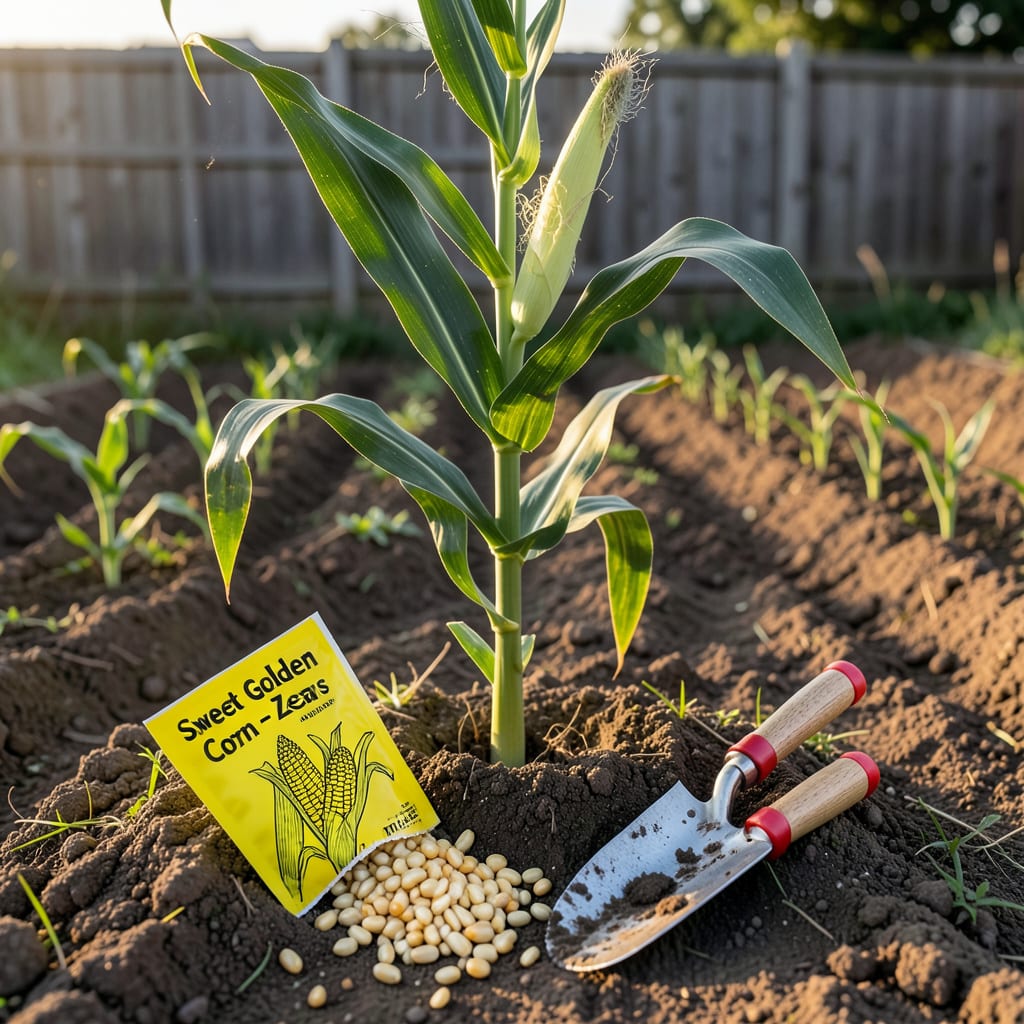
Timing your corn planting in Alabama can mean the difference between a bountiful harvest and a disappointing yield. The state’s varied climate—from the cooler north to the warmer south—means planting too early or too late could leave your 🌽 vulnerable to frost or scorching heat.
After years of testing and local research, I’ve pinpointed the perfect window for Alabama gardeners. Whether you’re in Birmingham or Mobile, I’ll show you how to align your planting schedule with soil temps, frost dates, and regional quirks for the juiciest, sweetest corn of the season.
Alabama’s diverse climate means your corn planting schedule depends heavily on where you live. In the northern regions (like Huntsville), cooler springs delay planting until mid-April, while southern areas (Mobile, Gulf Coast) can start as early as late February. The key is timing it around the last frost date.
For most of Alabama, the sweet spot is when soil temperatures hit 60°F—usually between March and May. But don’t just rely on the calendar; I always check the 10-day forecast for unexpected cold snaps. Coastal areas may plant earlier, but inland gardens should wait for consistent warmth.
| Region | USDA Zone | Last Frost Date | Planting Window | Harvest Time |
|---|---|---|---|---|
| North Alabama | 7a-7b | April 10 | April 15 – May 10 | July – August |
| Central Alabama | 8a-8b | March 20 | March 25 – April 20 | June – July |
| South Alabama | 8b-9a | February 20 | February 25 – March 20 | May – June |
Data sourced from Alabama Cooperative Extension System
If you’re in Birmingham or Montgomery, aim for late March to early April. I’ve found that early-maturing varieties like ‘Golden Bantam’ work well here. For southern Alabama, you can push the envelope with late-February plantings, but keep row covers handy for surprise chills.
Soil temperature is your best friend—use a soil thermometer to check at 2-inch depth. If it’s below 50°F, hold off. Cold soil slows germination and invites rot. In my experience, black plastic mulch can warm the soil faster by 5–10°F, giving you a head start.
For succession planting, I stagger plantings every 2 weeks until early June. This extends the harvest and avoids a glut of corn all at once. Just remember: late plantings (after June 1) risk poor pollination due to Alabama’s summer heat and drought stress.
Coastal gardeners near Mobile or Gulf Shores can often sneak in a fall crop if planted by late August. Use fast-maturing varieties (60–70 days) and watch for tropical storms, which can flatten tall corn. I’ve had success with ‘Early Sunglow’ for fall harvests.
No matter your region, avoid planting during heavy rain periods. Soggy soil compacts easily, stunting root growth. If rain’s in the forecast, wait a few days—your seeds will thank you. And always test soil pH first; corn thrives in 6.0–6.8.
Pro tip: Mark your calendar for 10 days after planting to check for germination. If fewer than 75% of seeds sprout, consider replanting. Alabama’s warm soil usually means quick sprouting—expect seedlings in 5–10 days under ideal conditions.
Finally, keep an eye on the Alabama Cooperative Extension for real-time alerts on pests like corn earworms, which peak in late summer. Timing your planting to avoid their lifecycle can save your crop without pesticides.
🌽Planting corn in Alabama isn’t just about picking a date—it’s about reading the soil conditions, variety selection, and even the moon phase if you follow folklore. I’ve learned the hard way that ignoring these factors can lead to stunted plants or poor yields, no matter how perfect your timing seems.
First, soil moisture plays a huge role. Alabama’s spring rains can create soggy conditions that delay planting. I always wait until the soil is workable but not muddy—squeeze a handful, and if it crumbles instead of clumping, it’s ready. Compacted or waterlogged soil suffocates seeds and invites disease.
Next, variety selection can make or break your harvest. In Alabama’s heat, I stick with heat-tolerant varieties like ‘Ambrosia’ or ‘Peaches & Cream’. Early-maturing types (60–70 days) are ideal for spring, while ultra-fast varieties (55–65 days) work for fall plantings. Always check the days-to-maturity on the seed packet.
Lunar planting might sound old-fashioned, but many Alabama gardeners still follow it. The idea is to plant during a waning moon for better root development. While science doesn’t fully back this, I’ve noticed my corn planted under these conditions often seems hardier. Try it and compare!
Finally, pest pressure is a game-changer. Corn earworms are Alabama’s #1 corn enemy, peaking in late summer. I avoid planting then or use row covers to protect silk. Planting early (March–April) helps dodge this issue entirely. Also, watch for cutworms in young plants—collars made from cardboard can save your seedlings.
Real-time weather adjustments are critical. If a cold snap is forecasted after planting, cover seeds with mulch or row fabric. Conversely, if drought hits, prioritize deep watering (1 inch per week) to encourage strong roots. I use a rain gauge to track moisture—Alabama’s weather can shift fast!
Don’t forget a soil test! Corn thrives in pH 6.0–6.8. If your soil is too acidic, add lime; if alkaline, mix in sulfur or compost. I test my soil every spring—it’s the best $10 you’ll spend for a better harvest.
🌱Even experienced Alabama gardeners can trip up when planting corn. The most common mistake I see is planting too early in cold, wet soil. Corn seeds rot easily in temperatures below 50°F, and Alabama’s unpredictable springs make this a risky move.
Another big issue is ignoring soil pH. Corn thrives in slightly acidic soil (6.0–6.8 pH). If your soil is too alkaline or acidic, nutrients like phosphorus become unavailable, leading to purple-tinged leaves and stunted growth. Always test your soil before planting!
Overcrowding seeds is another frequent error. Corn relies on wind pollination, so plants need space. I plant seeds 12–18 inches apart in blocks (not single rows) to ensure good pollen transfer. Crowded corn produces smaller, poorly filled ears.
Many gardeners also misjudge variety maturity dates. Alabama’s short spring means late-maturing corn (90+ days) often struggles with summer heat. Stick to 60–80 day varieties like ‘Silver Queen’ or ‘Peaches & Cream’ for reliable results. Check seed packets carefully!
Finally, don’t forget about succession planting. Planting all your corn at once leads to a single overwhelming harvest. I stagger plantings every 2 weeks until early June. This extends your fresh corn season and prevents waste from a sudden glut of ripe ears.
Watch for purple seedlings—this indicates phosphorus deficiency, often caused by cold soil. If you see this, warm the soil with mulch or replant in a sunnier spot. Alabama’s clay-heavy soils can also compact easily, so avoid working wet soil to prevent damaging roots.
🌱Corn seeds need soil temps of at least 60°F at 2-inch depth to germinate properly. Use a soil thermometer to check—planting in colder soil risks rot and slow growth.
Yes! In Alabama, you can plant an early spring crop (March–May) and a fall crop (late August). Stick to fast-maturing varieties (60–70 days) for fall to avoid frost. Coastal areas have the best success with this.
Plant seeds 12–18 inches apart in rows 30–36 inches apart. For better pollination, arrange plants in blocks of 3–4 rows instead of a single long row. Crowding reduces yield!
Planting too early in cold, wet soil is the #1 error. Corn seeds rot below 50°F. Wait until after your region’s last frost date and confirm soil temps with a thermometer. Patience pays off!
Early-maturing varieties (60–70 days) work best for spring, while ultra-fast types (55–65 days) suit fall plantings. Check seed packets—Alabama’s heat makes late-maturing corn risky after June.
