
Beautiful Plants For Your Interior
Beautiful Plants For Your Interior
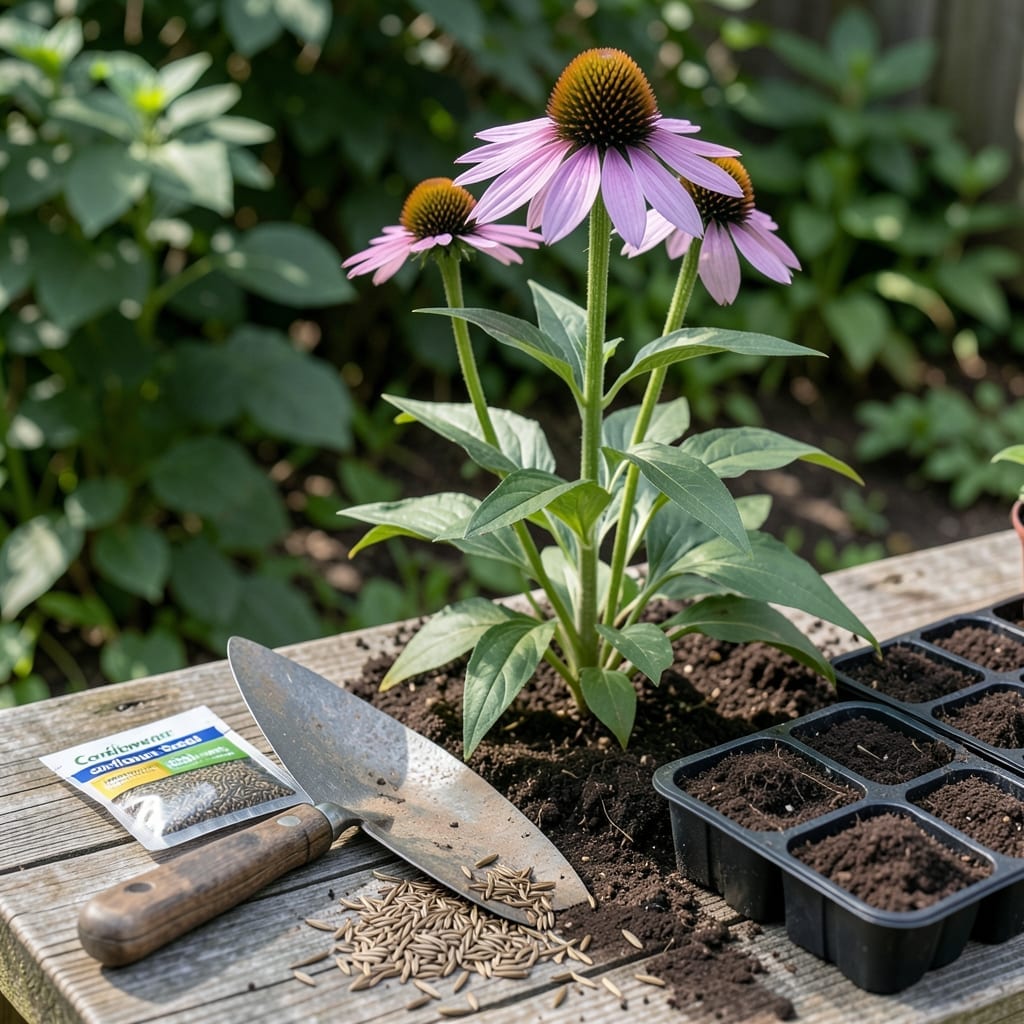
Timing is everything when planting Coneflower seeds—get it right, and you’ll enjoy vibrant, long-lasting blooms that attract pollinators all season long.
Plant too early or too late, and you risk poor germination or weak plants. The 🌼 Coneflower thrives when conditions are just right, and I’ll show you exactly when that is.
Discover the best seasonal windows and regional tips to ensure your garden bursts with color. Let’s make your planting a success.
Timing your Coneflower seed planting perfectly can mean the difference between a thriving garden and a disappointing one. I’ve found that early spring and fall are the sweet spots for most regions.
In USDA zones 6-9, you’ll want to start indoors 8-10 weeks before the last frost or direct sow after the soil warms up. For cooler climates, late spring is ideal 🌱
| Region | Best Time to Plant | Method |
|---|---|---|
| USDA Zones 3-5 | Early Spring or Late Fall | Indoor start or direct sow |
| USDA Zones 6-8 | March-April or September-October | Direct sow or transplant |
| USDA Zones 9-11 | October-November or February-March | Direct sow or winter sow |
For northern gardeners, the last frost date is your green light. I always check my local extension office for the most accurate dates. Planting too early in cold soil can lead to poor germination.
In warmer zones like 9-11, fall planting often works better. The cooler temperatures and winter rains help establish strong roots before summer heat arrives.
If you’re in zone 7, you have flexibility. I’ve had success with both spring and fall plantings, but early September gives seeds time to establish before winter.
Soil temperature matters more than air temperature. Aim for 60-70°F soil for optimal germination. A soil thermometer is a handy tool I never garden without.
For container gardening, you can start seeds indoors year-round, but outdoor planting should align with your region’s ideal windows. I love using peat pots for easy transplanting.
Remember that Coneflowers are drought-tolerant once established, but seedlings need consistent moisture. Don’t let the soil dry out completely during the first few weeks.
If you’re unsure about your zone, the USDA Plant Hardiness Zone Map is an excellent resource. I check mine every year, as microclimates can shift slightly.
Finally, fall planting often results in earlier blooms the following year. This is especially true in milder climates where winters are less harsh. 🌿
Starting Coneflower seeds indoors gives you a head start on the growing season. I begin 8-10 weeks before the last frost, using seed trays filled with well-draining soil mix.
For outdoor planting, wait until the soil temperature reaches at least 60°F. In most regions, this means after the last frost date has passed. Direct sowing works well in prepared garden beds 🌱
When starting seeds indoors, I use a grow light to ensure strong seedlings. Keep the light 2-3 inches above the plants and adjust as they grow.
For direct sowing, choose a sunny location with well-drained soil. Coneflowers thrive in full sun but tolerate partial shade in hotter climates.
After planting, water deeply once a week rather than frequent shallow watering. This encourages deep root growth, which helps plants withstand drought.
I always label my seedlings to keep track of varieties. Use popsicle sticks or plant markers, and note the planting date for future reference. This small step saves so much guesswork later! 🌿